Baking Soda (Bicarbonate of Soda)
Baking Soda (Bicarbonate of Soda)
Baking Soda (Bicarbonate of Soda) (Sodium Bicarbonate)
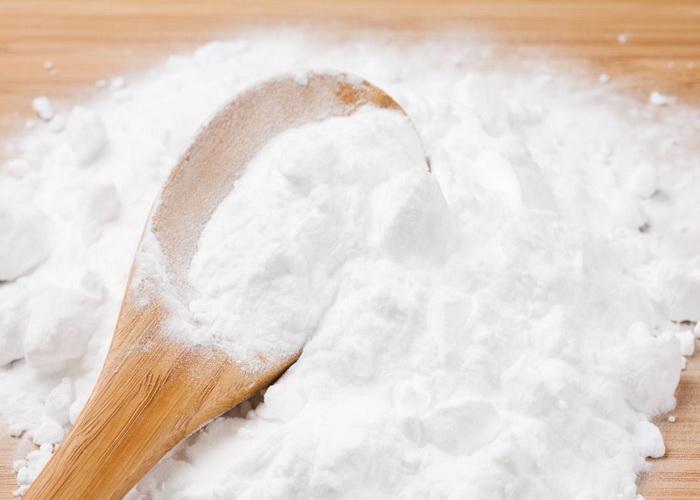
Our Baking Soda is sodium bicarbonate, also called bicarbonate of soda: a fine white, odourless powder with plenty of uses around the home and the craft table. It is the alkaline half of the classic bath bomb reaction, fizzing when it meets citric acid in water.
Makers use it in bath bombs and fizzy bath salts, in simple scrubs and soaks, and in household cleaning and deodorising. It is sold here for cosmetic and household use and is not packed or sold as a food.
|
Sodium bicarbonate 99% minimum (typical) |
Bath bombs Fizzes with citric acid |
Household uses Cleaning and deodorising |
1 kg to 25 kg Five pack sizes |
Safety information: for external and household use only. Keep out of reach of children. Avoid breathing in the dust and avoid contact with the eyes. See Safety below and the Safety Data Sheet in the Product Documents section at the end of this page.
Specifications
| Specification | Detail |
|---|---|
| Product | Baking Soda (Sodium Bicarbonate) |
| INCI | Sodium Bicarbonate |
| Chemical name / CAS | Sodium hydrogen carbonate, CAS 144-55-8 |
| Formula | NaHCO3 (molecular weight 84.01) |
| Purity | 99% minimum (typical) |
| Appearance | White crystalline powder or granules |
| Odour | Odourless |
| pH | About 8.0–8.5 (1% solution) |
| Solubility | Soluble in water; insoluble in alcohol |
| Heat stability | Begins to break down above about 50 °C, releasing carbon dioxide |
| Suitable for | Bath bombs, fizzy bath salts, bath soaks, scrubs, household cleaning and deodorising |
| Not suitable for | Internal use. Not sold as a food |
| Pack Sizes | 1 kg, 2 kg, 5 kg, 10 kg, 25 kg |
| Storage | Sealed, cool and dry. Keep away from moisture and acids |
| Use | Raw material for makers. Formulation, safety assessment and labelling of finished products are the maker’s responsibility |
Uses
| Use | How it is used |
|---|---|
| Bath bombs and fizzies | Mix with citric acid (about 2 parts bicarb to 1 part citric acid by weight) for a fizzing bath bomb |
| Fizzy bath salts | Combine with Epsom salts, citric acid and a little oil or essential oil for a fizzing soak |
| Bath soaks | Add a few tablespoons to a warm bath for a soft-feeling soak |
| Body and foot scrubs | Blend with oil and salt or sugar for a simple scrub |
| Household cleaning | Mix to a paste with water for scrubbing sinks, benches and baths, or sprinkle on to deodorise |
| Laundry and fridge freshening | Add to the wash, or keep an open container in the fridge or shoe cupboard |
How to Make a Simple Bath Bomb Base
- Measure. Weigh 2 parts sodium bicarbonate and 1 part citric acid into a dry bowl. Wear a dust mask.
- Mix the dry ingredients. Whisk until there are no lumps. Keep everything dry or the mix will start to fizz.
- Add the liquid. Mix a little oil and your fragrance in a separate cup, then drizzle it into the powder a few drops at a time, mixing well.
- Bind. Spritz with a very small amount of witch hazel or water until the mix just holds together when squeezed.
- Mould and dry. Press firmly into a bath bomb mould, tap out and dry in a cool, dry place for 24 hours.
Tip: Bath bombs react with moisture, so make them on a dry day and store them in a sealed container.
Usage Starting Points ▼
These are common starting points, not fixed rules. Results vary with your recipe, so always test a small batch first.
| Use | Starting amount | Notes |
|---|---|---|
| Bath bomb | 2 parts bicarb to 1 part citric acid | Add oil and fragrance a little at a time. |
| Fizzy bath salts | 1 cup bicarb, 1/2 cup citric acid, 1 cup Epsom salts | Mix dry and store sealed. |
| Bath soak | 2–4 tbsp per bath | Dissolve in running water. |
| Cleaning paste | 3 parts bicarb to 1 part water | Test on a small hidden area first. |
Do not mix with acids in a closed container, as the gas released can build up pressure.
Tips & Troubleshooting ▼
| Problem | Likely cause | What to try |
|---|---|---|
| Bath bomb will not hold together | Too dry | Spritz a very small amount of witch hazel or water and mix again. |
| Mixture fizzes in the bowl | Too much liquid added too fast | Add liquid slowly, a few drops at a time. |
| Bath bombs crumble | Not enough binder or pressed too lightly | Add a little more oil or butter and press firmly into the mould. |
| Bath bombs soften in storage | Humidity | Dry fully and store sealed, ideally with a silica sachet. |
Safety & Handling ▼
This product is for external and household use only. Do not swallow it, keep it out of reach of children and keep it away from the eyes. Avoid creating dust clouds and wear a dust mask when working with larger amounts. It can corrode aluminium over time, so avoid long contact with aluminium pots and tins.
Do not seal a mixture of bicarb and acid in a closed container as the gas that is released can build up pressure.
Selling what you make? This is a raw material for makers. The formulation, preservation, safety assessment, labelling and any regulatory requirements for your finished cosmetics or soap (including the NZ cosmetic rules) are your responsibility, and health or treatment claims should not be made for your products. Contact us at info@purefx.co.nz if you need product information.
Frequently Asked Questions ▼
Is baking soda the same as bicarbonate of soda?
Yes. Baking soda, bicarb and bicarbonate of soda are all names for sodium bicarbonate.
Can I eat it?
No. It is sold for cosmetic and household use only and is not packed or sold as a food.
What do I mix it with for bath bombs?
Citric acid is the usual partner. Use about 2 parts bicarb to 1 part citric acid.
How should I store it?
Sealed, cool and dry, away from moisture and acids.
Is it the same as washing soda?
No. Washing soda (soda ash) is sodium carbonate, which is much more alkaline. Do not substitute one for the other.
Sizes & Price
| Pack | Price | Price per kg |
|---|---|---|
| 1 kg | $3.15 | $3.15 |
| 2 kg | $6.10 | $3.05 |
| 5 kg | $12.60 | $2.52 |
| 10 kg | $25.20 | $2.52 |
| 25 kg | $52.90 | $2.12 |
Pairs Well With
The classic partner is citric acid for bath bombs. Add Epsom salts, Dead Sea salt or Himalayan pink salt for fizzy bath salts, bind with shea butter, cocoa butter or fractionated coconut oil, disperse with polysorbate 80, and press into a bath bomb mould. Scent with lavender or lemon essential oil, and colour with mica. Browse all raw ingredients. |
 Product Documents
|
Couldn't load pickup availability
Baking Soda (Bicarbonate of Soda) (Sodium Bicarbonate)
Our Baking Soda is sodium bicarbonate, also called bicarbonate of soda: a fine white, odourless powder with plenty of uses around the home and the craft table. It is the alkaline half of the classic bath bomb reaction, fizzing when it meets citric acid in water.
Makers use it in bath bombs and fizzy bath salts, in simple scrubs and soaks, and in household cleaning and deodorising. It is sold here for cosmetic and household use and is not packed or sold as a food.
|
Sodium bicarbonate 99% minimum (typical) |
Bath bombs Fizzes with citric acid |
Household uses Cleaning and deodorising |
1 kg to 25 kg Five pack sizes |
Safety information: for external and household use only. Keep out of reach of children. Avoid breathing in the dust and avoid contact with the eyes. See Safety below and the Safety Data Sheet in the Product Documents section at the end of this page.
Specifications
| Specification | Detail |
|---|---|
| Product | Baking Soda (Sodium Bicarbonate) |
| INCI | Sodium Bicarbonate |
| Chemical name / CAS | Sodium hydrogen carbonate, CAS 144-55-8 |
| Formula | NaHCO3 (molecular weight 84.01) |
| Purity | 99% minimum (typical) |
| Appearance | White crystalline powder or granules |
| Odour | Odourless |
| pH | About 8.0–8.5 (1% solution) |
| Solubility | Soluble in water; insoluble in alcohol |
| Heat stability | Begins to break down above about 50 °C, releasing carbon dioxide |
| Suitable for | Bath bombs, fizzy bath salts, bath soaks, scrubs, household cleaning and deodorising |
| Not suitable for | Internal use. Not sold as a food |
| Pack Sizes | 1 kg, 2 kg, 5 kg, 10 kg, 25 kg |
| Storage | Sealed, cool and dry. Keep away from moisture and acids |
| Use | Raw material for makers. Formulation, safety assessment and labelling of finished products are the maker’s responsibility |
Uses
| Use | How it is used |
|---|---|
| Bath bombs and fizzies | Mix with citric acid (about 2 parts bicarb to 1 part citric acid by weight) for a fizzing bath bomb |
| Fizzy bath salts | Combine with Epsom salts, citric acid and a little oil or essential oil for a fizzing soak |
| Bath soaks | Add a few tablespoons to a warm bath for a soft-feeling soak |
| Body and foot scrubs | Blend with oil and salt or sugar for a simple scrub |
| Household cleaning | Mix to a paste with water for scrubbing sinks, benches and baths, or sprinkle on to deodorise |
| Laundry and fridge freshening | Add to the wash, or keep an open container in the fridge or shoe cupboard |
How to Make a Simple Bath Bomb Base
- Measure. Weigh 2 parts sodium bicarbonate and 1 part citric acid into a dry bowl. Wear a dust mask.
- Mix the dry ingredients. Whisk until there are no lumps. Keep everything dry or the mix will start to fizz.
- Add the liquid. Mix a little oil and your fragrance in a separate cup, then drizzle it into the powder a few drops at a time, mixing well.
- Bind. Spritz with a very small amount of witch hazel or water until the mix just holds together when squeezed.
- Mould and dry. Press firmly into a bath bomb mould, tap out and dry in a cool, dry place for 24 hours.
Tip: Bath bombs react with moisture, so make them on a dry day and store them in a sealed container.
Usage Starting Points ▼
These are common starting points, not fixed rules. Results vary with your recipe, so always test a small batch first.
| Use | Starting amount | Notes |
|---|---|---|
| Bath bomb | 2 parts bicarb to 1 part citric acid | Add oil and fragrance a little at a time. |
| Fizzy bath salts | 1 cup bicarb, 1/2 cup citric acid, 1 cup Epsom salts | Mix dry and store sealed. |
| Bath soak | 2–4 tbsp per bath | Dissolve in running water. |
| Cleaning paste | 3 parts bicarb to 1 part water | Test on a small hidden area first. |
Do not mix with acids in a closed container, as the gas released can build up pressure.
Tips & Troubleshooting ▼
| Problem | Likely cause | What to try |
|---|---|---|
| Bath bomb will not hold together | Too dry | Spritz a very small amount of witch hazel or water and mix again. |
| Mixture fizzes in the bowl | Too much liquid added too fast | Add liquid slowly, a few drops at a time. |
| Bath bombs crumble | Not enough binder or pressed too lightly | Add a little more oil or butter and press firmly into the mould. |
| Bath bombs soften in storage | Humidity | Dry fully and store sealed, ideally with a silica sachet. |
Safety & Handling ▼
This product is for external and household use only. Do not swallow it, keep it out of reach of children and keep it away from the eyes. Avoid creating dust clouds and wear a dust mask when working with larger amounts. It can corrode aluminium over time, so avoid long contact with aluminium pots and tins.
Do not seal a mixture of bicarb and acid in a closed container as the gas that is released can build up pressure.
Selling what you make? This is a raw material for makers. The formulation, preservation, safety assessment, labelling and any regulatory requirements for your finished cosmetics or soap (including the NZ cosmetic rules) are your responsibility, and health or treatment claims should not be made for your products. Contact us at info@purefx.co.nz if you need product information.
Frequently Asked Questions ▼
Is baking soda the same as bicarbonate of soda?
Yes. Baking soda, bicarb and bicarbonate of soda are all names for sodium bicarbonate.
Can I eat it?
No. It is sold for cosmetic and household use only and is not packed or sold as a food.
What do I mix it with for bath bombs?
Citric acid is the usual partner. Use about 2 parts bicarb to 1 part citric acid.
How should I store it?
Sealed, cool and dry, away from moisture and acids.
Is it the same as washing soda?
No. Washing soda (soda ash) is sodium carbonate, which is much more alkaline. Do not substitute one for the other.
Sizes & Price
| Pack | Price | Price per kg |
|---|---|---|
| 1 kg | $3.15 | $3.15 |
| 2 kg | $6.10 | $3.05 |
| 5 kg | $12.60 | $2.52 |
| 10 kg | $25.20 | $2.52 |
| 25 kg | $52.90 | $2.12 |
Pairs Well With
The classic partner is citric acid for bath bombs. Add Epsom salts, Dead Sea salt or Himalayan pink salt for fizzy bath salts, bind with shea butter, cocoa butter or fractionated coconut oil, disperse with polysorbate 80, and press into a bath bomb mould. Scent with lavender or lemon essential oil, and colour with mica. Browse all raw ingredients. |
|
Product Documents
|