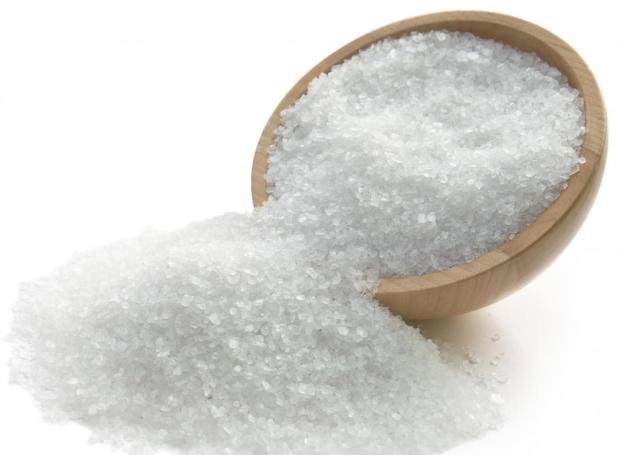
Epsom Salts
Epsom Salts
Epsom Salts (Magnesium Sulphate)
Our Epsom Salts are magnesium sulphate heptahydrate, white crystals that dissolve readily in water. They have been used in the bath for hundreds of years, and they remain a favourite of makers for bath salts, foot soaks and fizzy bath products.
Epsom salts are also used by gardeners as a source of magnesium and sulphur. They are sold here for bath, cosmetic and garden use and are not packed or sold for internal use.
|
Magnesium sulphate White crystals, dissolves readily |
Bath and foot soaks A classic soak ingredient |
Bath salts and fizzies Blends with bicarb and citric acid |
500 g to 25 kg Six pack sizes |
Safety information: for external and garden use only. Not for consumption. Keep out of reach of children and keep away from the eyes. Patch test before first use. See Safety below and the Safety Data Sheet in the Product Documents section at the end of this page.
Specifications
| Specification | Detail |
|---|---|
| Product | Epsom Salts |
| INCI | Magnesium Sulfate |
| Chemical name / CAS | Magnesium sulphate heptahydrate, CAS 7487-88-9 |
| Formula | MgSO4·7H2O (molecular weight about 246.5) |
| Appearance | White crystals or granules |
| Odour | Odourless |
| pH | Near neutral in solution |
| Solubility | Freely soluble in water |
| Suitable for | Bath soaks, foot soaks, bath salts, bath bombs, scrubs and gardening |
| Not suitable for | Internal use. Not sold as a food, supplement or laxative |
| Pack Sizes | 500 g, 1 kg, 2 kg, 5 kg, 10 kg, 25 kg |
| Storage | Sealed, cool and dry, away from moisture |
| Use | Raw material for makers. Formulation, safety assessment and labelling of finished products are the maker’s responsibility |
Uses
| Use | How it is used |
|---|---|
| Bath soaks | Dissolve 1–2 cups in a warm bath and soak for 15–20 minutes |
| Foot soaks | Dissolve a few tablespoons in a bowl of warm water |
| Bath salts | Blend with Dead Sea salt or Himalayan pink salt, a little oil and essential oil |
| Bath bombs and fizzies | Used with bicarb and citric acid for a fizzing bath product |
| Scrubs | Blend with a carrier oil for a salt scrub |
| Garden | Used by gardeners as a source of magnesium and sulphur for some plants |
How to Make a Simple Epsom Bath Soak
- Gather. 1 cup Epsom salts, 1/2 cup baking soda, 1 tablespoon fractionated coconut oil, and 8–10 drops of essential oil such as lavender.
- Mix. Stir the dry ingredients together in a bowl.
- Add oil. Blend the carrier oil and essential oil, then stir through the salts until evenly coated.
- Jar. Pour into a clean, dry jar and seal.
- Soak. Add about 1/2 to 1 cup to a warm bath and stir until dissolved. Soak for up to 20 minutes.
Tip: Add the salts while the bath is running so they dissolve fully before you get in.
Usage Starting Points ▼
These are common starting points, not fixed rules. Results vary with your recipe, so always test a small batch first.
| Use | Starting amount | Notes |
|---|---|---|
| Full bath | 1–2 cups (about 250–500 g) | Dissolve in running water. |
| Foot soak | 2–3 tbsp per bowl of warm water | Soak for about 15 minutes. |
| Bath salt blend | 2 parts Epsom salts to 1 part other salt | Add oil and fragrance gradually. |
| Garden | Follow plant-specific guidance | Do not over-apply. |
Keep essential oil levels low and always patch test finished products.
Tips & Troubleshooting ▼
| Problem | Likely cause | What to try |
|---|---|---|
| Salts will not dissolve | Water too cold, or too much added at once | Add to running warm water and stir. |
| Blend clumps in the jar | Moisture got in | Dry the jar, seal tightly and add a silica sachet. |
| Skin feels dry after soaking | Long soak in hot water | Soak for a shorter time in warm (not hot) water and moisturise. |
| Oil sits on the bath surface | Essential oil does not dissolve in water | Blend the oil with the salt or a carrier oil first. |
Safety & Handling ▼
This product is for external and garden use only. Do not swallow it, keep it out of reach of children and keep it away from the eyes. Do a patch test before first use and stop using it if irritation occurs. Rinse the bath after use, as oils can make surfaces slippery. If you have a medical condition, are pregnant or take medication, check with your health professional before using bath products.
Selling what you make? This is a raw material for makers. The formulation, preservation, safety assessment, labelling and any regulatory requirements for your finished cosmetics or soap (including the NZ cosmetic rules) are your responsibility, and health or treatment claims should not be made for your products. Contact us at info@purefx.co.nz if you need product information.
Frequently Asked Questions ▼
What are Epsom salts?
Magnesium sulphate heptahydrate: white, water-soluble crystals, named after the English town of Epsom.
Are they the same as table salt?
No. Epsom salts are magnesium sulphate, not sodium chloride.
How much do I use in a bath?
1–2 cups in a warm full bath is a common starting point.
Can I take them internally?
No. They are sold for bath, cosmetic and garden use only.
How do I store them?
Sealed, cool and dry, away from moisture.
Sizes & Price
| Pack | Price | Price per kg |
|---|---|---|
| 500 g | $3.15 | $6.30 |
| 1 kg | $4.20 | $4.20 |
| 2 kg | $7.90 | $3.95 |
| 5 kg | $16.80 | $3.36 |
| 10 kg | $30.50 | $3.05 |
| 25 kg | $64.10 | $2.56 |
Pairs Well With
Pair with Dead Sea salt and Himalayan pink salt for bath salt blends, add baking soda and citric acid for bath fizzies, and bind with sweet almond oil or fractionated coconut oil. Scent with lavender, eucalyptus or rosemary essential oil, and pack in empty tea bags. Browse all raw ingredients. |
 Product Documents
|
Couldn't load pickup availability
Epsom Salts (Magnesium Sulphate)
Our Epsom Salts are magnesium sulphate heptahydrate, white crystals that dissolve readily in water. They have been used in the bath for hundreds of years, and they remain a favourite of makers for bath salts, foot soaks and fizzy bath products.
Epsom salts are also used by gardeners as a source of magnesium and sulphur. They are sold here for bath, cosmetic and garden use and are not packed or sold for internal use.
|
Magnesium sulphate White crystals, dissolves readily |
Bath and foot soaks A classic soak ingredient |
Bath salts and fizzies Blends with bicarb and citric acid |
500 g to 25 kg Six pack sizes |
Safety information: for external and garden use only. Not for consumption. Keep out of reach of children and keep away from the eyes. Patch test before first use. See Safety below and the Safety Data Sheet in the Product Documents section at the end of this page.
Specifications
| Specification | Detail |
|---|---|
| Product | Epsom Salts |
| INCI | Magnesium Sulfate |
| Chemical name / CAS | Magnesium sulphate heptahydrate, CAS 7487-88-9 |
| Formula | MgSO4·7H2O (molecular weight about 246.5) |
| Appearance | White crystals or granules |
| Odour | Odourless |
| pH | Near neutral in solution |
| Solubility | Freely soluble in water |
| Suitable for | Bath soaks, foot soaks, bath salts, bath bombs, scrubs and gardening |
| Not suitable for | Internal use. Not sold as a food, supplement or laxative |
| Pack Sizes | 500 g, 1 kg, 2 kg, 5 kg, 10 kg, 25 kg |
| Storage | Sealed, cool and dry, away from moisture |
| Use | Raw material for makers. Formulation, safety assessment and labelling of finished products are the maker’s responsibility |
Uses
| Use | How it is used |
|---|---|
| Bath soaks | Dissolve 1–2 cups in a warm bath and soak for 15–20 minutes |
| Foot soaks | Dissolve a few tablespoons in a bowl of warm water |
| Bath salts | Blend with Dead Sea salt or Himalayan pink salt, a little oil and essential oil |
| Bath bombs and fizzies | Used with bicarb and citric acid for a fizzing bath product |
| Scrubs | Blend with a carrier oil for a salt scrub |
| Garden | Used by gardeners as a source of magnesium and sulphur for some plants |
How to Make a Simple Epsom Bath Soak
- Gather. 1 cup Epsom salts, 1/2 cup baking soda, 1 tablespoon fractionated coconut oil, and 8–10 drops of essential oil such as lavender.
- Mix. Stir the dry ingredients together in a bowl.
- Add oil. Blend the carrier oil and essential oil, then stir through the salts until evenly coated.
- Jar. Pour into a clean, dry jar and seal.
- Soak. Add about 1/2 to 1 cup to a warm bath and stir until dissolved. Soak for up to 20 minutes.
Tip: Add the salts while the bath is running so they dissolve fully before you get in.
Usage Starting Points ▼
These are common starting points, not fixed rules. Results vary with your recipe, so always test a small batch first.
| Use | Starting amount | Notes |
|---|---|---|
| Full bath | 1–2 cups (about 250–500 g) | Dissolve in running water. |
| Foot soak | 2–3 tbsp per bowl of warm water | Soak for about 15 minutes. |
| Bath salt blend | 2 parts Epsom salts to 1 part other salt | Add oil and fragrance gradually. |
| Garden | Follow plant-specific guidance | Do not over-apply. |
Keep essential oil levels low and always patch test finished products.
Tips & Troubleshooting ▼
| Problem | Likely cause | What to try |
|---|---|---|
| Salts will not dissolve | Water too cold, or too much added at once | Add to running warm water and stir. |
| Blend clumps in the jar | Moisture got in | Dry the jar, seal tightly and add a silica sachet. |
| Skin feels dry after soaking | Long soak in hot water | Soak for a shorter time in warm (not hot) water and moisturise. |
| Oil sits on the bath surface | Essential oil does not dissolve in water | Blend the oil with the salt or a carrier oil first. |
Safety & Handling ▼
This product is for external and garden use only. Do not swallow it, keep it out of reach of children and keep it away from the eyes. Do a patch test before first use and stop using it if irritation occurs. Rinse the bath after use, as oils can make surfaces slippery. If you have a medical condition, are pregnant or take medication, check with your health professional before using bath products.
Selling what you make? This is a raw material for makers. The formulation, preservation, safety assessment, labelling and any regulatory requirements for your finished cosmetics or soap (including the NZ cosmetic rules) are your responsibility, and health or treatment claims should not be made for your products. Contact us at info@purefx.co.nz if you need product information.
Frequently Asked Questions ▼
What are Epsom salts?
Magnesium sulphate heptahydrate: white, water-soluble crystals, named after the English town of Epsom.
Are they the same as table salt?
No. Epsom salts are magnesium sulphate, not sodium chloride.
How much do I use in a bath?
1–2 cups in a warm full bath is a common starting point.
Can I take them internally?
No. They are sold for bath, cosmetic and garden use only.
How do I store them?
Sealed, cool and dry, away from moisture.
Sizes & Price
| Pack | Price | Price per kg |
|---|---|---|
| 500 g | $3.15 | $6.30 |
| 1 kg | $4.20 | $4.20 |
| 2 kg | $7.90 | $3.95 |
| 5 kg | $16.80 | $3.36 |
| 10 kg | $30.50 | $3.05 |
| 25 kg | $64.10 | $2.56 |
Pairs Well With
Pair with Dead Sea salt and Himalayan pink salt for bath salt blends, add baking soda and citric acid for bath fizzies, and bind with sweet almond oil or fractionated coconut oil. Scent with lavender, eucalyptus or rosemary essential oil, and pack in empty tea bags. Browse all raw ingredients. |
|
Product Documents
|