

Citric Acid
Citric Acid
Citric Acid (Anhydrous)
Our Citric Acid is a white, odourless crystalline powder that is used across making and household use. It is the acid half of the classic bath bomb, fizzing with bicarb in water, and makers also use it to adjust the pH of creams, toners and hair rinses and as a descaler.
Citric acid is found naturally in citrus fruit and is a common ingredient in personal-care products. It is sold here as a raw material for cosmetic and household use, not as a food.
|
Anhydrous citric acid White crystalline powder |
Bath bombs Fizzes with baking soda |
pH adjuster For creams, toners and rinses |
500 g to 25 kg Six pack sizes |
Safety information: for external and household use only. Causes skin and serious eye irritation and may irritate the airways. Wear gloves and eye protection, avoid breathing the dust and keep out of reach of children. See Safety below and the Safety Data Sheet in the Product Documents section at the end of this page.
Specifications
| Specification | Detail |
|---|---|
| Product | Citric Acid (Anhydrous) |
| INCI | Citric Acid |
| Chemical name / CAS | 2-Hydroxypropane-1,2,3-tricarboxylic acid, CAS 77-92-9 |
| Formula | C6H8O7 (molecular weight 192.12) |
| Appearance | Colourless to white crystalline powder or granules |
| Odour | Odourless |
| pH | About 2.0–2.5 (1% solution) |
| Solubility | Very soluble in water |
| Melting point | About 153 °C |
| Suitable for | Bath bombs and fizzies, pH adjustment of cosmetics, descaling and cleaning |
| Not suitable for | Internal use. Not sold as a food. Avoid on broken skin |
| Pack Sizes | 500 g, 1 kg, 2 kg, 5 kg, 10 kg, 25 kg |
| Storage | Sealed, cool and dry. Keep away from moisture, alkalis and metals |
| Use | Raw material for makers. Formulation, safety assessment and labelling of finished products are the maker’s responsibility |
Uses
| Use | How it is used |
|---|---|
| Bath bombs and fizzies | Mix with baking soda (about 1 part citric acid to 2 parts bicarb) for the fizz |
| pH adjustment | Lowers the pH of creams, lotions, toners and shampoos. Add a little at a time and check with pH strips |
| Chelating and rinses | Used by formulators in hair rinses and wash products |
| Descaling and cleaning | Dissolve in warm water to descale kettles and taps, and to clean glass and baths |
| Bath salts and soaks | Adds fizz and a fresh feel to bath salt blends |
| Craft | Used in some craft and dyeing recipes |
How to Use Citric Acid to Adjust pH
- Make a stock solution. Dissolve 10 g citric acid in 90 g warm water to make a 10% solution. Label it clearly.
- Finish your product. Make and cool your product before adjusting the pH.
- Add a little at a time. Add the solution a few drops at a time, stirring well after each addition.
- Test. Check the pH with pH strips or a meter after each addition.
- Record. Note the amount used so you can repeat it next time.
Tip: Add acid slowly. It is much easier to lower the pH than to raise it again.
Usage Starting Points ▼
These are common starting points, not fixed rules. Results vary with your recipe, so always test a small batch first.
| Use | Starting amount | Notes |
|---|---|---|
| Bath bomb | 1 part citric acid to 2 parts bicarb | Keep dry. Add oil and fragrance slowly. |
| Bath fizzy | 1/2 cup citric acid with 1 cup bicarb | Mix with Epsom salts if you like. |
| pH adjustment | A few drops of 10% solution at a time | Check pH after each addition. |
| Kettle descaling | 1–2 tbsp per litre of water | Rinse well afterwards. |
Citric acid reacts with alkaline ingredients, so keep it away from soda ash and similar alkalis.
Tips & Troubleshooting ▼
| Problem | Likely cause | What to try |
|---|---|---|
| Product turns thin or separates after pH adjustment | Acid affects the thickener or emulsifier | Add less acid, or use a thickener that tolerates a lower pH. |
| Bath bomb will not fizz | Moisture got in, or the ratio is off | Keep the mix dry and use about 2 parts bicarb to 1 part citric acid. |
| Powder is lumpy or hard | Absorbed moisture | Store sealed in a dry place. Break up lumps before weighing. |
| Skin or eyes sting | Acid contact | Rinse with plenty of water. Wear gloves and eye protection. |
Safety & Handling ▼
Citric acid can irritate the skin, eyes and airways. Wear gloves and eye protection, avoid breathing the dust and keep it out of reach of children. If you get it in your eyes, rinse with water for at least 15 minutes and seek medical advice if irritation continues. Do not swallow it.
Citric acid can irritate the skin at higher levels, so always test the pH and patch test finished products.
Selling what you make? This is a raw material for makers. The formulation, preservation, safety assessment, labelling and any regulatory requirements for your finished cosmetics or soap (including the NZ cosmetic rules) are your responsibility, and health or treatment claims should not be made for your products. Contact us at info@purefx.co.nz if you need product information.
Frequently Asked Questions ▼
Is it the same as lemon juice?
No. Citric acid is the acid found in lemons and other citrus fruit, supplied here as a pure white powder.
What is the best ratio for bath bombs?
About 2 parts bicarb to 1 part citric acid is a common starting point.
Can I eat it?
No. It is sold for cosmetic and household use only and is not packed or sold as a food.
Is it safe on skin?
It can irritate skin in strong amounts. In finished products it is used at low levels, so always check the pH and patch test.
How should I store it?
Sealed, cool and dry, away from moisture and alkalis.
Sizes & Price
| Pack | Price | Price per kg |
|---|---|---|
| 500 g | $5.90 | $11.80 |
| 1 kg | $10.50 | $10.50 |
| 2 kg | $19.50 | $9.75 |
| 5 kg | $46.00 | $9.20 |
| 10 kg | $85.00 | $8.50 |
| 25 kg | $160.00 | $6.40 |
Pairs Well With
Pair with baking soda for bath bombs, add Epsom salts and Dead Sea salt for bath fizzies, and use polysorbate 80 to disperse oils. Bind with cocoa butter or shea butter, scent with lemon or pink grapefruit essential oil, and press into a bath bomb mould. Browse all raw ingredients. |
 Product Documents
|
Couldn't load pickup availability
Citric Acid (Anhydrous)
Our Citric Acid is a white, odourless crystalline powder that is used across making and household use. It is the acid half of the classic bath bomb, fizzing with bicarb in water, and makers also use it to adjust the pH of creams, toners and hair rinses and as a descaler.
Citric acid is found naturally in citrus fruit and is a common ingredient in personal-care products. It is sold here as a raw material for cosmetic and household use, not as a food.
|
Anhydrous citric acid White crystalline powder |
Bath bombs Fizzes with baking soda |
pH adjuster For creams, toners and rinses |
500 g to 25 kg Six pack sizes |
Safety information: for external and household use only. Causes skin and serious eye irritation and may irritate the airways. Wear gloves and eye protection, avoid breathing the dust and keep out of reach of children. See Safety below and the Safety Data Sheet in the Product Documents section at the end of this page.
Specifications
| Specification | Detail |
|---|---|
| Product | Citric Acid (Anhydrous) |
| INCI | Citric Acid |
| Chemical name / CAS | 2-Hydroxypropane-1,2,3-tricarboxylic acid, CAS 77-92-9 |
| Formula | C6H8O7 (molecular weight 192.12) |
| Appearance | Colourless to white crystalline powder or granules |
| Odour | Odourless |
| pH | About 2.0–2.5 (1% solution) |
| Solubility | Very soluble in water |
| Melting point | About 153 °C |
| Suitable for | Bath bombs and fizzies, pH adjustment of cosmetics, descaling and cleaning |
| Not suitable for | Internal use. Not sold as a food. Avoid on broken skin |
| Pack Sizes | 500 g, 1 kg, 2 kg, 5 kg, 10 kg, 25 kg |
| Storage | Sealed, cool and dry. Keep away from moisture, alkalis and metals |
| Use | Raw material for makers. Formulation, safety assessment and labelling of finished products are the maker’s responsibility |
Uses
| Use | How it is used |
|---|---|
| Bath bombs and fizzies | Mix with baking soda (about 1 part citric acid to 2 parts bicarb) for the fizz |
| pH adjustment | Lowers the pH of creams, lotions, toners and shampoos. Add a little at a time and check with pH strips |
| Chelating and rinses | Used by formulators in hair rinses and wash products |
| Descaling and cleaning | Dissolve in warm water to descale kettles and taps, and to clean glass and baths |
| Bath salts and soaks | Adds fizz and a fresh feel to bath salt blends |
| Craft | Used in some craft and dyeing recipes |
How to Use Citric Acid to Adjust pH
- Make a stock solution. Dissolve 10 g citric acid in 90 g warm water to make a 10% solution. Label it clearly.
- Finish your product. Make and cool your product before adjusting the pH.
- Add a little at a time. Add the solution a few drops at a time, stirring well after each addition.
- Test. Check the pH with pH strips or a meter after each addition.
- Record. Note the amount used so you can repeat it next time.
Tip: Add acid slowly. It is much easier to lower the pH than to raise it again.
Usage Starting Points ▼
These are common starting points, not fixed rules. Results vary with your recipe, so always test a small batch first.
| Use | Starting amount | Notes |
|---|---|---|
| Bath bomb | 1 part citric acid to 2 parts bicarb | Keep dry. Add oil and fragrance slowly. |
| Bath fizzy | 1/2 cup citric acid with 1 cup bicarb | Mix with Epsom salts if you like. |
| pH adjustment | A few drops of 10% solution at a time | Check pH after each addition. |
| Kettle descaling | 1–2 tbsp per litre of water | Rinse well afterwards. |
Citric acid reacts with alkaline ingredients, so keep it away from soda ash and similar alkalis.
Tips & Troubleshooting ▼
| Problem | Likely cause | What to try |
|---|---|---|
| Product turns thin or separates after pH adjustment | Acid affects the thickener or emulsifier | Add less acid, or use a thickener that tolerates a lower pH. |
| Bath bomb will not fizz | Moisture got in, or the ratio is off | Keep the mix dry and use about 2 parts bicarb to 1 part citric acid. |
| Powder is lumpy or hard | Absorbed moisture | Store sealed in a dry place. Break up lumps before weighing. |
| Skin or eyes sting | Acid contact | Rinse with plenty of water. Wear gloves and eye protection. |
Safety & Handling ▼
Citric acid can irritate the skin, eyes and airways. Wear gloves and eye protection, avoid breathing the dust and keep it out of reach of children. If you get it in your eyes, rinse with water for at least 15 minutes and seek medical advice if irritation continues. Do not swallow it.
Citric acid can irritate the skin at higher levels, so always test the pH and patch test finished products.
Selling what you make? This is a raw material for makers. The formulation, preservation, safety assessment, labelling and any regulatory requirements for your finished cosmetics or soap (including the NZ cosmetic rules) are your responsibility, and health or treatment claims should not be made for your products. Contact us at info@purefx.co.nz if you need product information.
Frequently Asked Questions ▼
Is it the same as lemon juice?
No. Citric acid is the acid found in lemons and other citrus fruit, supplied here as a pure white powder.
What is the best ratio for bath bombs?
About 2 parts bicarb to 1 part citric acid is a common starting point.
Can I eat it?
No. It is sold for cosmetic and household use only and is not packed or sold as a food.
Is it safe on skin?
It can irritate skin in strong amounts. In finished products it is used at low levels, so always check the pH and patch test.
How should I store it?
Sealed, cool and dry, away from moisture and alkalis.
Sizes & Price
| Pack | Price | Price per kg |
|---|---|---|
| 500 g | $5.90 | $11.80 |
| 1 kg | $10.50 | $10.50 |
| 2 kg | $19.50 | $9.75 |
| 5 kg | $46.00 | $9.20 |
| 10 kg | $85.00 | $8.50 |
| 25 kg | $160.00 | $6.40 |
Pairs Well With
Pair with baking soda for bath bombs, add Epsom salts and Dead Sea salt for bath fizzies, and use polysorbate 80 to disperse oils. Bind with cocoa butter or shea butter, scent with lemon or pink grapefruit essential oil, and press into a bath bomb mould. Browse all raw ingredients. |
|
Product Documents
|

Made 'vicks' shower steamers ... husband loves them.
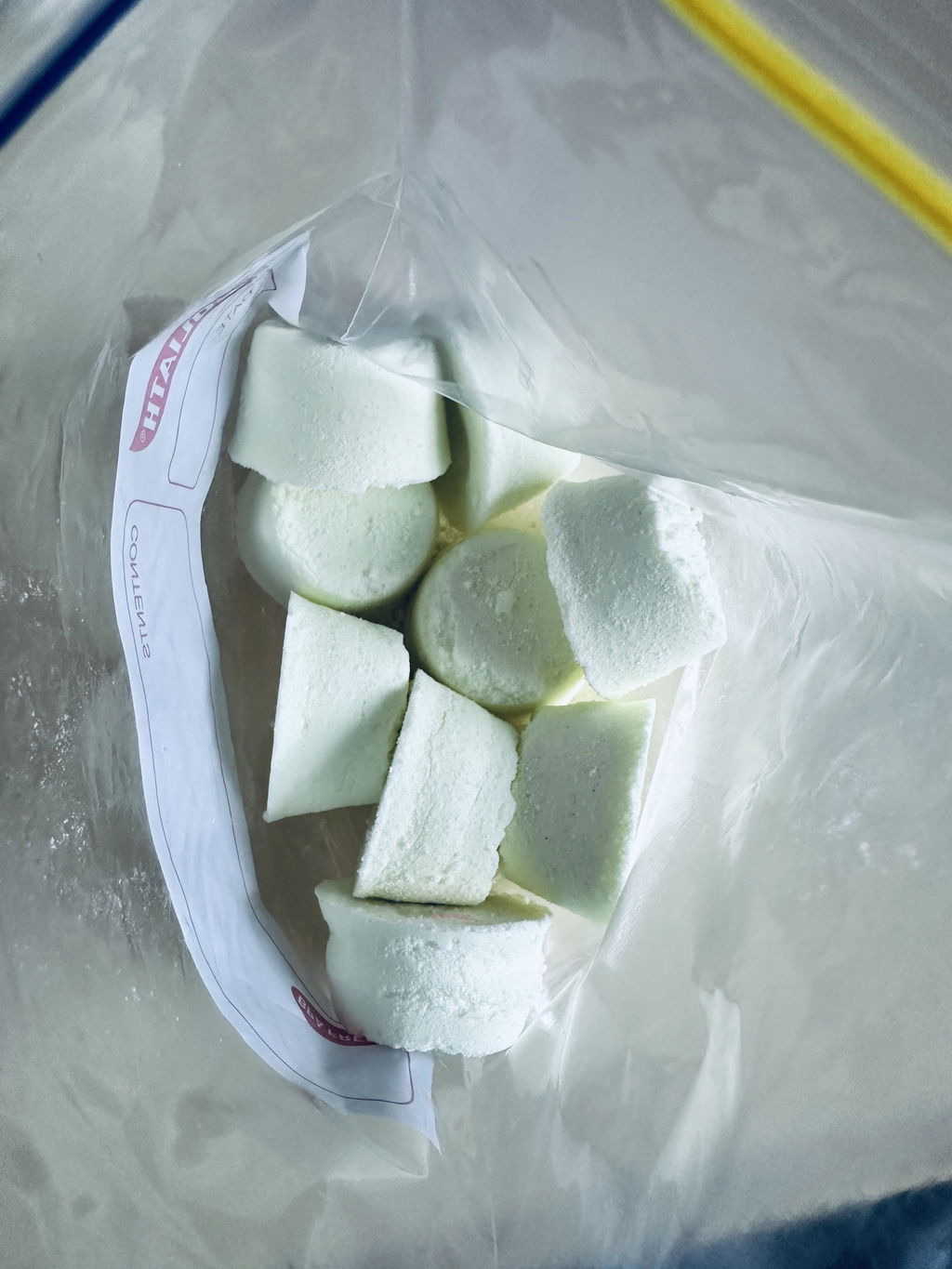
Good one.