
Soy Lecithin (Liquid)
Soy Lecithin (Liquid)
Soy Lecithin (Liquid) (Natural Emulsifier and Stabiliser)
Our Liquid Soy Lecithin is a natural, soy-derived emulsifier that works with both oil and water. It can be used in both oil-in-water and water-in-oil emulsions, depending on the temperature and the oil-to-water ratio.
It suits very thin or liquid emulsions where other emulsifiers can fail, and emulsions that are close to 50:50 oil and water. It is also a useful stabiliser in balms, ointments and salves, where it helps stop oils and waxes separating.
|
Soy-derived emulsifier Oil and water friendly |
Thin or 50:50 emulsions Where others can fail |
Stabilises balms and salves Helps stop separation |
200 ml to 1 L Three pack sizes |
Safety information: for external (cosmetic) use only. Contains soy: people with a soy allergy should take care. Keep out of reach of children. See Safety below and the Safety Data Sheet in the Product Documents section at the end of this page.
Specifications
| Specification | Detail |
|---|---|
| Product | Soy Lecithin (Liquid) |
| INCI | Lecithin |
| Type | Natural phospholipid emulsifier and stabiliser |
| Source | Soy |
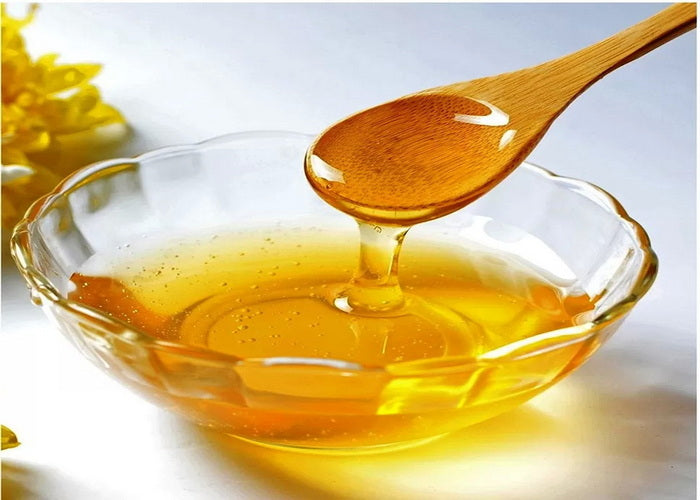
| Appearance | Amber to brown, viscous liquid with a characteristic odour |
| Solubility | Dispersible in oil and water. Dissolves in warm oils |
| Typical use rate | About 1-5% depending on the product. Test your own recipe |
| Suitable for | Thin and liquid emulsions, close to 50:50 oil and water emulsions, balms, ointments, salves, lotions |
| Pack Sizes | 200 ml, 500 ml, 1 L |
| Storage | Sealed, cool and dry, away from heat and sunlight |
| Allergen | Contains soy |
| Use | Raw material for makers. Formulation, preservation, safety assessment and labelling of finished products are the maker's responsibility. Not for internal use |
Uses
| Use | How it is used |
|---|---|
| Thin lotions and liquid emulsions | Where other emulsifiers can struggle. Use higher amounts as the water ratio rises |
| 50:50 oil and water emulsions | A good option where other emulsifiers can destabilise |
| Balms, ointments and salves | Helps stop vegetable oils and waxes separating |
| Water-in-oil and oil-in-water emulsions | Depends on temperature and oil-to-water ratio. Test your own recipe |
| Creams and lotions | Used with other emulsifiers for stability. Test your own recipe |
| Massage products | Helps stabilise oils and water-based ingredients |
How to Use Liquid Lecithin in a Lotion
- Weigh. Weigh the lecithin with the oil phase. Start at about 1-5%, using more as the water ratio rises.
- Warm. If the lecithin is thick, warm the container gently in warm water so it pours easily.
- Heat the phases. Heat the oil phase (with the lecithin) and the water phase to about 70-75 °C.
- Combine. Combine the phases and blend with a stick blender until smooth.
- Cool and finish. Keep stirring as it cools, then add heat-sensitive ingredients and your preservatives below about 40 °C.
- Test. Check stability after 24 hours and adjust in the next batch.
Tip: Lecithin is thick and sticky. Warm the bottle in a jug of warm water before weighing it.
Using It in Emulsions, Balms & Salves ▼
These are common maker starting points, not fixed rules. Results vary with your recipe, so always test a small batch first.
| Use | Starting amount | Notes |
|---|---|---|
| Thin lotions | About 2-5% | Raise the rate as the water share goes up. |
| 50:50 emulsions | About 2-5% | Test stability over several days. |
| Balms and salves | About 1-3% | Helps stop oils and waxes separating. |
| Creams | About 1-3% with another emulsifier | Use with a main emulsifier for stability. |
| Massage oils with water | As tested | Test small batches. |
Lecithin can darken a product and has its own characteristic scent. Test the colour and smell in your recipe.
Tips & Troubleshooting ▼
| Problem | Likely cause | What to try |
|---|---|---|
| Emulsion separates | Not enough lecithin or wrong ratio | Increase the lecithin a little and test oil-to-water ratios. |
| Product is darker or has a scent | Lecithin is amber to brown | Use a lower rate, or mask with fragrance. Test the look. |
| Too thick to pour | Cool temperature | Warm gently in warm water. |
| Product goes off | Water-based and natural material can spoil | Use clean tools, a suitable preservative and store the lecithin sealed. |
| Skin feels irritated | Reaction to the formula | Patch test. Soy allergy sufferers should avoid it. |
| Grainy texture | Cooled too fast | Reheat, re-blend and cool slowly while stirring. |
Safety & Selling Your Products ▼
This product is a cosmetic raw material for external use only. Do not swallow it, keep it out of reach of children and keep it away from the eyes. Wear gloves and eye protection when handling the concentrated product, patch test finished products before first use and stop using a product if irritation occurs.
Lecithin is derived from soy. People with a soy allergy should avoid it, and finished products may need to list it. Natural materials can spoil, so water-based products need a suitable preservative.
Selling what you make? This is a raw material for makers. The formulation, preservation, safety assessment, labelling and any regulatory requirements for your finished cosmetics or soap (including the NZ cosmetic rules) are your responsibility, and health or treatment claims should not be made for your products. Contact us at info@purefx.co.nz if you need product information.
Frequently Asked Questions ▼
What is lecithin?
It is a natural emulsifier made of phospholipids. Ours is derived from soy.
Does it make oil-in-water or water-in-oil emulsions?
Either, depending on temperature and the ratio of oil to water.
How much do I use?
About 1-5%. Use higher amounts when there is more water. Always test.
Does it contain soy?
Yes. It is derived from soy, so people with a soy allergy should avoid it.
Why is it so thick?
Liquid lecithin is naturally viscous. Warm the bottle gently before weighing.
Does it need a preservative?
For water-based products, yes.
How should I store it?
Sealed, in a cool, dry place away from heat and sunlight.
Is it for internal use?
No. It is sold for external cosmetic use only.
Sizes & Price
| Pack | Price | Price per 100 ml |
|---|---|---|
| 200 ml | $8.00 | $4.00 |
| 500 ml | $14.50 | $2.90 |
| 1 L | $25.00 | $2.50 |
Pairs Well With
Pair with sweet almond oil, jojoba oil and shea butter, and add vegetable glycerine or aloe vera gel. Use with Emulsifying Wax (Neowax B200) or xanthan gum. For balms see beeswax and Castor Wax Flakes. Preserve with Geogard 221 or phenoxyethanol. Browse emulsifiers and thickeners. |
 Product Documents
|
Couldn't load pickup availability
Soy Lecithin (Liquid) (Natural Emulsifier and Stabiliser)
Our Liquid Soy Lecithin is a natural, soy-derived emulsifier that works with both oil and water. It can be used in both oil-in-water and water-in-oil emulsions, depending on the temperature and the oil-to-water ratio.
It suits very thin or liquid emulsions where other emulsifiers can fail, and emulsions that are close to 50:50 oil and water. It is also a useful stabiliser in balms, ointments and salves, where it helps stop oils and waxes separating.
|
Soy-derived emulsifier Oil and water friendly |
Thin or 50:50 emulsions Where others can fail |
Stabilises balms and salves Helps stop separation |
200 ml to 1 L Three pack sizes |
Safety information: for external (cosmetic) use only. Contains soy: people with a soy allergy should take care. Keep out of reach of children. See Safety below and the Safety Data Sheet in the Product Documents section at the end of this page.
Specifications
| Specification | Detail |
|---|---|
| Product | Soy Lecithin (Liquid) |
| INCI | Lecithin |
| Type | Natural phospholipid emulsifier and stabiliser |
| Source | Soy |
| Appearance | Amber to brown, viscous liquid with a characteristic odour |
| Solubility | Dispersible in oil and water. Dissolves in warm oils |
| Typical use rate | About 1-5% depending on the product. Test your own recipe |
| Suitable for | Thin and liquid emulsions, close to 50:50 oil and water emulsions, balms, ointments, salves, lotions |
| Pack Sizes | 200 ml, 500 ml, 1 L |
| Storage | Sealed, cool and dry, away from heat and sunlight |
| Allergen | Contains soy |
| Use | Raw material for makers. Formulation, preservation, safety assessment and labelling of finished products are the maker's responsibility. Not for internal use |
Uses
| Use | How it is used |
|---|---|
| Thin lotions and liquid emulsions | Where other emulsifiers can struggle. Use higher amounts as the water ratio rises |
| 50:50 oil and water emulsions | A good option where other emulsifiers can destabilise |
| Balms, ointments and salves | Helps stop vegetable oils and waxes separating |
| Water-in-oil and oil-in-water emulsions | Depends on temperature and oil-to-water ratio. Test your own recipe |
| Creams and lotions | Used with other emulsifiers for stability. Test your own recipe |
| Massage products | Helps stabilise oils and water-based ingredients |
How to Use Liquid Lecithin in a Lotion
- Weigh. Weigh the lecithin with the oil phase. Start at about 1-5%, using more as the water ratio rises.
- Warm. If the lecithin is thick, warm the container gently in warm water so it pours easily.
- Heat the phases. Heat the oil phase (with the lecithin) and the water phase to about 70-75 °C.
- Combine. Combine the phases and blend with a stick blender until smooth.
- Cool and finish. Keep stirring as it cools, then add heat-sensitive ingredients and your preservatives below about 40 °C.
- Test. Check stability after 24 hours and adjust in the next batch.
Tip: Lecithin is thick and sticky. Warm the bottle in a jug of warm water before weighing it.
Using It in Emulsions, Balms & Salves ▼
These are common maker starting points, not fixed rules. Results vary with your recipe, so always test a small batch first.
| Use | Starting amount | Notes |
|---|---|---|
| Thin lotions | About 2-5% | Raise the rate as the water share goes up. |
| 50:50 emulsions | About 2-5% | Test stability over several days. |
| Balms and salves | About 1-3% | Helps stop oils and waxes separating. |
| Creams | About 1-3% with another emulsifier | Use with a main emulsifier for stability. |
| Massage oils with water | As tested | Test small batches. |
Lecithin can darken a product and has its own characteristic scent. Test the colour and smell in your recipe.
Tips & Troubleshooting ▼
| Problem | Likely cause | What to try |
|---|---|---|
| Emulsion separates | Not enough lecithin or wrong ratio | Increase the lecithin a little and test oil-to-water ratios. |
| Product is darker or has a scent | Lecithin is amber to brown | Use a lower rate, or mask with fragrance. Test the look. |
| Too thick to pour | Cool temperature | Warm gently in warm water. |
| Product goes off | Water-based and natural material can spoil | Use clean tools, a suitable preservative and store the lecithin sealed. |
| Skin feels irritated | Reaction to the formula | Patch test. Soy allergy sufferers should avoid it. |
| Grainy texture | Cooled too fast | Reheat, re-blend and cool slowly while stirring. |
Safety & Selling Your Products ▼
This product is a cosmetic raw material for external use only. Do not swallow it, keep it out of reach of children and keep it away from the eyes. Wear gloves and eye protection when handling the concentrated product, patch test finished products before first use and stop using a product if irritation occurs.
Lecithin is derived from soy. People with a soy allergy should avoid it, and finished products may need to list it. Natural materials can spoil, so water-based products need a suitable preservative.
Selling what you make? This is a raw material for makers. The formulation, preservation, safety assessment, labelling and any regulatory requirements for your finished cosmetics or soap (including the NZ cosmetic rules) are your responsibility, and health or treatment claims should not be made for your products. Contact us at info@purefx.co.nz if you need product information.
Frequently Asked Questions ▼
What is lecithin?
It is a natural emulsifier made of phospholipids. Ours is derived from soy.
Does it make oil-in-water or water-in-oil emulsions?
Either, depending on temperature and the ratio of oil to water.
How much do I use?
About 1-5%. Use higher amounts when there is more water. Always test.
Does it contain soy?
Yes. It is derived from soy, so people with a soy allergy should avoid it.
Why is it so thick?
Liquid lecithin is naturally viscous. Warm the bottle gently before weighing.
Does it need a preservative?
For water-based products, yes.
How should I store it?
Sealed, in a cool, dry place away from heat and sunlight.
Is it for internal use?
No. It is sold for external cosmetic use only.
Sizes & Price
| Pack | Price | Price per 100 ml |
|---|---|---|
| 200 ml | $8.00 | $4.00 |
| 500 ml | $14.50 | $2.90 |
| 1 L | $25.00 | $2.50 |
Pairs Well With
Pair with sweet almond oil, jojoba oil and shea butter, and add vegetable glycerine or aloe vera gel. Use with Emulsifying Wax (Neowax B200) or xanthan gum. For balms see beeswax and Castor Wax Flakes. Preserve with Geogard 221 or phenoxyethanol. Browse emulsifiers and thickeners. |
|
Product Documents
|
