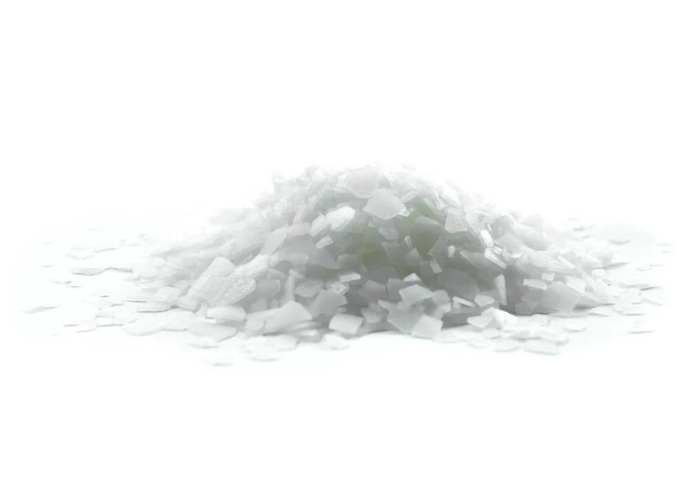
Emulsifying Wax (Neowax B200)
Emulsifying Wax (Neowax B200)
Emulsifying Wax (Neowax B200) (Non-Ionic Emulsifying Wax for Creams and Lotions)
Our Emulsifying Wax (Neowax B200) is a vegetable-derived, non-ionic emulsifying wax supplied as waxy flakes. It is a balanced blend of cetearyl alcohol and PEG-20 stearate (INCI: Cetearyl Alcohol and PEG-20 Stearate), and it is also known by the older name Polawax GP200.
It lets oils and water mix into a stable cream or lotion, and it can be used as the main emulsifying system in hand creams, day creams, body lotions, cleansing balms and hair conditioners. You add it to the oil phase and melt it in.
|
Non-ionic emulsifier Oil-in-water creams and lotions |
Use at 2-25% Depends on the product |
Add to the oil phase Melts in at about 70-75 °C |
100 g to 1 kg Four pack sizes |
Safety information: for external (cosmetic) use only. Keep out of reach of children and keep away from the eyes. Melted wax is hot. See Safety below and the Safety Data Sheet in the Product Documents section at the end of this page.
Specifications
| Specification | Detail |
|---|---|
| Product | Emulsifying Wax (Neowax B200) |
| INCI (typical) | Cetearyl Alcohol and PEG-20 Stearate |
| Also known as | Polawax GP200 |
| Type | Non-ionic, vegetable-derived emulsifying wax |
| Appearance | Waxy flakes, virtually odourless |
| Solubility | Oil soluble. Melt into the oil phase |
| Typical use rate | About 2-25% of the formula, depending on the product. Test your own recipe |
| Suitable for | Creams, lotions, ointments, cleansing balms, hair conditioners |
| Vegan | Yes (vegetable derived) |
| Pack Sizes | 100 g, 200 g, 500 g, 1 kg |
| Storage | Sealed, cool and dry, away from heat and sunlight |
| Use | Raw material for makers. Formulation, preservation, safety assessment and labelling of finished products are the maker's responsibility. Not for internal use |
Uses
| Use | How it is used |
|---|---|
| Body lotions | A common starting point is about 3-5% of the formula. Use with a light oil |
| Hand and face creams | About 5-10% for a thicker cream. Increase for a richer, firmer result |
| Cleansing balms | Higher rates (up to about 25%) help the balm rinse off with water |
| Hair conditioners | Combine with a cationic conditioning ingredient such as BTMS-50 and test |
| Oil-in-water emulsions | Use as the sole emulsifier or alongside a co-emulsifier or thickener |
| Making oils water-dispersible | Add a small amount to bath and body oils to help them mix into water. Test first |
How to Make a Simple Lotion
- Weigh. Weigh the water phase (water, vegetable glycerine and any water-soluble ingredients) and the oil phase (oils, butters and the emulsifier) into separate heat-safe containers.
- Heat. Heat both phases to about 70-75 °C in a double boiler, stirring until the waxy flakes have fully melted.
- Combine. Pour the water phase into the oil phase (or the reverse, as your recipe says) while mixing. Use a stick blender for a minute or two for a smooth, stable emulsion.
- Cool. Keep stirring gently as the mix cools so it thickens evenly. Do not leave it to set undisturbed.
- Add the extras. Below about 40 °C, add heat-sensitive ingredients such as vitamin E oil, fragrance and your preservatives.
- Pack and test. Pour into clean, dry containers. Check the texture the next day, as emulsions often thicken over 24 hours.
Tip: Use a digital scale and weigh by percentage. Emulsions are sensitive to small errors, so always make a test batch first.
Starting Formula to Test ▼
This is a simple oil-in-water lotion starting point, not a tested recipe. Adjust the emulsifier up for a thicker cream or down for a thinner lotion.
| Phase | Ingredient | Amount |
|---|---|---|
| Water phase | Water | 72% |
| Water phase | vegetable glycerine | 3% |
| Oil phase | Oils and butters, e.g. sweet almond oil and shea butter | 18% |
| Oil phase | Emulsifying Wax (Neowax B200) | 6% |
| Cool-down | Preservative, used at its recommended rate | about 1% |
Heat the water and oil phases separately to about 70-75 °C, combine, blend and cool while stirring. Add the preservative and any heat-sensitive ingredients below about 40 °C.
Using It in Creams, Lotions & Balms ▼
These are common maker starting points, not fixed rules. Results vary with your recipe, so always test a small batch first.
| Use | Starting amount | Notes |
|---|---|---|
| Light lotion | About 3-4% of the formula | Pair with a light oil and a thickener such as xanthan gum for body. |
| Cream | About 5-8% of the formula | Add butters for richness. Use more wax for a thicker texture. |
| Cleansing balm | Up to about 25% | Melt with oils and butters. Helps the balm wash off with water. |
| Conditioner | About 3-6% with a conditioning ingredient | Test the feel on hair and adjust. |
| Co-emulsifier | About 1-3% | Use alongside another emulsifier to help stabilise it. |
Tips & Troubleshooting ▼
| Problem | Likely cause | What to try |
|---|---|---|
| Emulsion separates | Not enough emulsifier, or phases not at the same temperature | Increase the emulsifier a little, heat both phases to about 70-75 °C and blend for longer. |
| Grainy or waxy lumps | Wax cooled too fast, or phases mixed too cool | Reheat to about 75 °C and re-blend, then cool slowly while stirring. |
| Too thick | Too much emulsifier | Reduce the emulsifier in the next batch, or add more water phase. |
| Too thin | Not enough emulsifier or thickener | Increase the emulsifier, or add a thickener such as stearic acid or a fatty alcohol. |
| Mix spoils or smells off | Water-based products can grow mould and bacteria | Use clean tools, add a suitable preservative and use clean, dry containers. |
| Soapy or foamy when rubbed in | Typical of some non-ionic emulsifiers | Lower the rate a little, or add a light emollient to improve glide. |
Safety & Selling Your Products ▼
This product is a cosmetic raw material for external use only. Do not swallow it, keep it out of reach of children and keep it away from the eyes. Melted ingredients are hot and can burn, so never heat over a direct flame and never leave them unattended. Patch test finished products before first use and stop using a product if irritation occurs.
Emulsions are water-based, so they need a suitable preservative and clean equipment. Do not make water-based products without one.
Selling what you make? This is a raw material for makers. The formulation, preservation, safety assessment, labelling and any regulatory requirements for your finished cosmetics or soap (including the NZ cosmetic rules) are your responsibility, and health or treatment claims should not be made for your products. Always follow the safety data for each ingredient you add. Contact us at info@purefx.co.nz if you need product information.
Frequently Asked Questions ▼
What is Neowax B200?
It is the trade name of a vegetable-derived emulsifying wax made from cetearyl alcohol and PEG-20 stearate. It was previously sold as Polawax GP200.
Is it vegan?
Yes. It is vegetable derived.
Which phase does it go in?
The oil phase. Melt it with the oils and butters.
How much should I use?
About 2-25% depending on the product. Many lotions use about 3-5% and creams about 5-8%. Always test.
Can I use it as the only emulsifier?
In many creams and lotions, yes. It can be used as the main emulsifying system.
Does it need a preservative?
The wax itself does not preserve your product. Anything containing water needs a suitable preservative.
Will it work for oil-in-water only?
It is a non-ionic oil-in-water emulsifier, so it is best suited to creams and lotions rather than water-in-oil products.
How should I store it?
Sealed, in a cool, dry place away from heat and sunlight.
Is it for internal use?
No. It is sold for external cosmetic use only.
Sizes & Price
| Pack | Price | Price per 100 g |
|---|---|---|
| 100 g | $12.00 | $12.00 |
| 200 g | $18.00 | $9.00 |
| 500 g | $37.00 | $7.40 |
| 1 kg | $65.00 | $6.50 |
Pairs Well With
Pair with sweet almond oil, shea butter or cocoa butter, and thicken with xanthan gum or stearic acid. Add vegetable glycerine and vitamin E oil, and finish with lavender essential oil or Roman chamomile essential oil. Preserve with Geogard 221 or phenoxyethanol. Browse emulsifiers and thickeners. |
 Product Documents
|
Couldn't load pickup availability
Emulsifying Wax (Neowax B200) (Non-Ionic Emulsifying Wax for Creams and Lotions)
Our Emulsifying Wax (Neowax B200) is a vegetable-derived, non-ionic emulsifying wax supplied as waxy flakes. It is a balanced blend of cetearyl alcohol and PEG-20 stearate (INCI: Cetearyl Alcohol and PEG-20 Stearate), and it is also known by the older name Polawax GP200.
It lets oils and water mix into a stable cream or lotion, and it can be used as the main emulsifying system in hand creams, day creams, body lotions, cleansing balms and hair conditioners. You add it to the oil phase and melt it in.
|
Non-ionic emulsifier Oil-in-water creams and lotions |
Use at 2-25% Depends on the product |
Add to the oil phase Melts in at about 70-75 °C |
100 g to 1 kg Four pack sizes |
Safety information: for external (cosmetic) use only. Keep out of reach of children and keep away from the eyes. Melted wax is hot. See Safety below and the Safety Data Sheet in the Product Documents section at the end of this page.
Specifications
| Specification | Detail |
|---|---|
| Product | Emulsifying Wax (Neowax B200) |
| INCI (typical) | Cetearyl Alcohol and PEG-20 Stearate |
| Also known as | Polawax GP200 |
| Type | Non-ionic, vegetable-derived emulsifying wax |
| Appearance | Waxy flakes, virtually odourless |
| Solubility | Oil soluble. Melt into the oil phase |
| Typical use rate | About 2-25% of the formula, depending on the product. Test your own recipe |
| Suitable for | Creams, lotions, ointments, cleansing balms, hair conditioners |
| Vegan | Yes (vegetable derived) |
| Pack Sizes | 100 g, 200 g, 500 g, 1 kg |
| Storage | Sealed, cool and dry, away from heat and sunlight |
| Use | Raw material for makers. Formulation, preservation, safety assessment and labelling of finished products are the maker's responsibility. Not for internal use |
Uses
| Use | How it is used |
|---|---|
| Body lotions | A common starting point is about 3-5% of the formula. Use with a light oil |
| Hand and face creams | About 5-10% for a thicker cream. Increase for a richer, firmer result |
| Cleansing balms | Higher rates (up to about 25%) help the balm rinse off with water |
| Hair conditioners | Combine with a cationic conditioning ingredient such as BTMS-50 and test |
| Oil-in-water emulsions | Use as the sole emulsifier or alongside a co-emulsifier or thickener |
| Making oils water-dispersible | Add a small amount to bath and body oils to help them mix into water. Test first |
How to Make a Simple Lotion
- Weigh. Weigh the water phase (water, vegetable glycerine and any water-soluble ingredients) and the oil phase (oils, butters and the emulsifier) into separate heat-safe containers.
- Heat. Heat both phases to about 70-75 °C in a double boiler, stirring until the waxy flakes have fully melted.
- Combine. Pour the water phase into the oil phase (or the reverse, as your recipe says) while mixing. Use a stick blender for a minute or two for a smooth, stable emulsion.
- Cool. Keep stirring gently as the mix cools so it thickens evenly. Do not leave it to set undisturbed.
- Add the extras. Below about 40 °C, add heat-sensitive ingredients such as vitamin E oil, fragrance and your preservatives.
- Pack and test. Pour into clean, dry containers. Check the texture the next day, as emulsions often thicken over 24 hours.
Tip: Use a digital scale and weigh by percentage. Emulsions are sensitive to small errors, so always make a test batch first.
Starting Formula to Test ▼
This is a simple oil-in-water lotion starting point, not a tested recipe. Adjust the emulsifier up for a thicker cream or down for a thinner lotion.
| Phase | Ingredient | Amount |
|---|---|---|
| Water phase | Water | 72% |
| Water phase | vegetable glycerine | 3% |
| Oil phase | Oils and butters, e.g. sweet almond oil and shea butter | 18% |
| Oil phase | Emulsifying Wax (Neowax B200) | 6% |
| Cool-down | Preservative, used at its recommended rate | about 1% |
Heat the water and oil phases separately to about 70-75 °C, combine, blend and cool while stirring. Add the preservative and any heat-sensitive ingredients below about 40 °C.
Using It in Creams, Lotions & Balms ▼
These are common maker starting points, not fixed rules. Results vary with your recipe, so always test a small batch first.
| Use | Starting amount | Notes |
|---|---|---|
| Light lotion | About 3-4% of the formula | Pair with a light oil and a thickener such as xanthan gum for body. |
| Cream | About 5-8% of the formula | Add butters for richness. Use more wax for a thicker texture. |
| Cleansing balm | Up to about 25% | Melt with oils and butters. Helps the balm wash off with water. |
| Conditioner | About 3-6% with a conditioning ingredient | Test the feel on hair and adjust. |
| Co-emulsifier | About 1-3% | Use alongside another emulsifier to help stabilise it. |
Tips & Troubleshooting ▼
| Problem | Likely cause | What to try |
|---|---|---|
| Emulsion separates | Not enough emulsifier, or phases not at the same temperature | Increase the emulsifier a little, heat both phases to about 70-75 °C and blend for longer. |
| Grainy or waxy lumps | Wax cooled too fast, or phases mixed too cool | Reheat to about 75 °C and re-blend, then cool slowly while stirring. |
| Too thick | Too much emulsifier | Reduce the emulsifier in the next batch, or add more water phase. |
| Too thin | Not enough emulsifier or thickener | Increase the emulsifier, or add a thickener such as stearic acid or a fatty alcohol. |
| Mix spoils or smells off | Water-based products can grow mould and bacteria | Use clean tools, add a suitable preservative and use clean, dry containers. |
| Soapy or foamy when rubbed in | Typical of some non-ionic emulsifiers | Lower the rate a little, or add a light emollient to improve glide. |
Safety & Selling Your Products ▼
This product is a cosmetic raw material for external use only. Do not swallow it, keep it out of reach of children and keep it away from the eyes. Melted ingredients are hot and can burn, so never heat over a direct flame and never leave them unattended. Patch test finished products before first use and stop using a product if irritation occurs.
Emulsions are water-based, so they need a suitable preservative and clean equipment. Do not make water-based products without one.
Selling what you make? This is a raw material for makers. The formulation, preservation, safety assessment, labelling and any regulatory requirements for your finished cosmetics or soap (including the NZ cosmetic rules) are your responsibility, and health or treatment claims should not be made for your products. Always follow the safety data for each ingredient you add. Contact us at info@purefx.co.nz if you need product information.
Frequently Asked Questions ▼
What is Neowax B200?
It is the trade name of a vegetable-derived emulsifying wax made from cetearyl alcohol and PEG-20 stearate. It was previously sold as Polawax GP200.
Is it vegan?
Yes. It is vegetable derived.
Which phase does it go in?
The oil phase. Melt it with the oils and butters.
How much should I use?
About 2-25% depending on the product. Many lotions use about 3-5% and creams about 5-8%. Always test.
Can I use it as the only emulsifier?
In many creams and lotions, yes. It can be used as the main emulsifying system.
Does it need a preservative?
The wax itself does not preserve your product. Anything containing water needs a suitable preservative.
Will it work for oil-in-water only?
It is a non-ionic oil-in-water emulsifier, so it is best suited to creams and lotions rather than water-in-oil products.
How should I store it?
Sealed, in a cool, dry place away from heat and sunlight.
Is it for internal use?
No. It is sold for external cosmetic use only.
Sizes & Price
| Pack | Price | Price per 100 g |
|---|---|---|
| 100 g | $12.00 | $12.00 |
| 200 g | $18.00 | $9.00 |
| 500 g | $37.00 | $7.40 |
| 1 kg | $65.00 | $6.50 |
Pairs Well With
Pair with sweet almond oil, shea butter or cocoa butter, and thicken with xanthan gum or stearic acid. Add vegetable glycerine and vitamin E oil, and finish with lavender essential oil or Roman chamomile essential oil. Preserve with Geogard 221 or phenoxyethanol. Browse emulsifiers and thickeners. |
|
Product Documents
|