Xanthan Gum
Xanthan Gum
Xanthan Gum (Natural Thickener, Stabiliser and Suspending Agent)
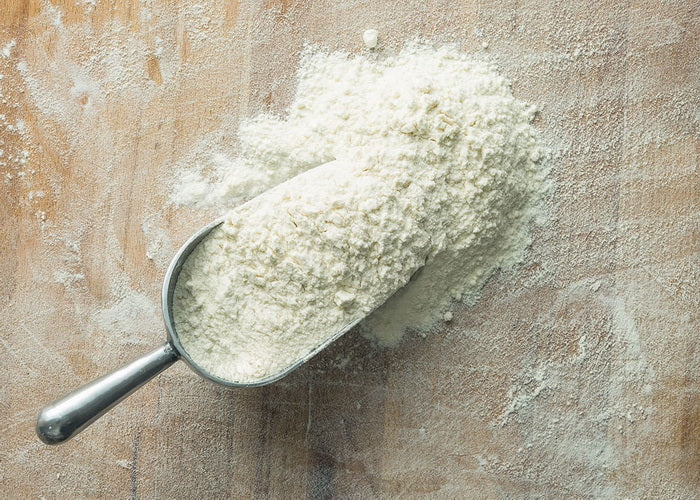
Our Xanthan Gum is a fine, off-white powder made by fermenting sugar, and it is one of the most useful water-based thickeners in cosmetic making. A very small amount makes a gel, thickens a liquid or helps keep particles suspended.
It dissolves in both hot and cold water, copes with salt and a wide pH range, and is used in gels, lotions, creams, shampoos, body washes and cleansers. It is not an emulsifier on its own, but it helps stabilise emulsions.
|
Water-soluble thickener Hot or cold water |
Use at 0.1-2% Gels, lotions, washes |
Stabilises emulsions Suspends particles |
100 g to 2 kg Five pack sizes |
Safety information: for external (cosmetic) use only. Keep out of reach of children and avoid breathing in the dust. See Safety below and the Safety Data Sheet in the Product Documents section at the end of this page.
Specifications
| Specification | Detail |
|---|---|
| Product | Xanthan Gum |
| INCI | Xanthan Gum |
| Type | Natural polysaccharide thickener, produced by fermentation |
| Appearance | Off-white granular powder |
| Solubility | Soluble in water, insoluble in oil |
| Typical use rate | About 0.1-2% depending on the product. Gels about 0.1-1% |
| Behaviour | Works in hot or cold water, tolerates salt and a broad pH range, and gives a slightly stringy, gel-like feel |
| Suitable for | Gels, lotions, creams, shampoos, body washes, scrubs |
| Pack Sizes | 100 g, 200 g, 500 g, 1 kg, 2 kg |
| Storage | Sealed, cool and dry, away from moisture and sunlight |
| Use | Raw material for makers. Formulation, preservation, safety assessment and labelling of finished products are the maker's responsibility. Not for internal use |
Uses
| Use | How it is used |
|---|---|
| Gels | Sprinkle into water for a clear to hazy gel. About 0.1-1% |
| Lotions and creams | Adds body and helps stabilise the emulsion. About 0.1-0.5% |
| Shampoos and body washes | Thickens and helps suspend particles. Test with your surfactants |
| Scrubs and suspensions | Helps keep scrub particles and botanicals from settling |
| Water-based serums | A small amount gives a light, gel-like texture |
How to Make a Simple Xanthan Gel
- Weigh. Weigh the water and the xanthan gum. For a gel, start at about 0.5% (for example 0.5 g in 100 g of water).
- Disperse. Sprinkle the powder slowly over the water while whisking or stick blending, so lumps do not form. For fewer lumps, first mix the powder with a little vegetable glycerine or oil.
- Hydrate. Blend until smooth, then leave for about 10-15 minutes. The gel thickens as the powder hydrates.
- Adjust. Add more water or powder a little at a time to reach the thickness you want.
- Add the extras. Stir in water-soluble ingredients, fragrance and your preservatives once the gel is smooth.
- Pack and test. Pour into clean containers and check the texture the next day.
Tip: Mix the powder with glycerine or a little oil before adding it to water. This stops it clumping into lumps.
Using It in Gels, Lotions & Washes ▼
These are common maker starting points, not fixed rules. Results vary with your recipe, so always test a small batch first.
| Use | Starting amount | Notes |
|---|---|---|
| Clear gel | About 0.3-1% | Sprinkle into water while blending, then leave to hydrate. |
| Lotions and creams | About 0.1-0.5% | Adds body and stabilises the emulsion. Do not overuse, as it can feel slimy. |
| Shampoo or body wash | About 0.1-1% | Test with your surfactants. Salt tolerance is good. |
| Suspending scrub or botanicals | About 0.2-0.5% | Helps hold particles in place. |
Tips & Troubleshooting ▼
| Problem | Likely cause | What to try |
|---|---|---|
| Lumps that will not dissolve | Powder added too fast | Blend with a stick blender, or pre-mix with glycerine or a little oil before adding to water. |
| Feels slimy or stringy | Too much xanthan | Reduce the amount. Use 0.1-0.5% in lotions. |
| Gel is cloudy | Air bubbles from blending | Leave to stand, or blend more gently, and let the bubbles rise. |
| Gel thins over time | Contamination or lack of preservative | Use clean tools and add a suitable preservative. |
| Particles settle | Not enough thickener | Increase xanthan a little for suspension. |
| Mix grows mould | Water-based product without a preservative | Always add a suitable preservative to gels and water-based products. |
Safety & Selling Your Products ▼
This product is a cosmetic raw material for external use only. Do not swallow it, keep it out of reach of children and keep it away from the eyes. Fine powders can irritate the airways, so wear a dust mask when weighing or pouring and avoid creating dust clouds. Patch test finished products before first use and stop using a product if irritation occurs.
Xanthan gum powder becomes slippery when wet. Clean up spills promptly. Gels and other water-based products need a suitable preservative.
Selling what you make? This is a raw material for makers. The formulation, preservation, safety assessment, labelling and any regulatory requirements for your finished cosmetics or soap (including the NZ cosmetic rules) are your responsibility, and health or treatment claims should not be made for your products. Contact us at info@purefx.co.nz if you need product information.
Frequently Asked Questions ▼
What is xanthan gum made from?
It is a natural thickener produced by fermenting sugars, which is then dried and ground to a powder.
How much do I use?
About 0.1-2%. For a gel, start at about 0.5% and adjust.
Does it dissolve in cold water?
Yes. It works in hot or cold water.
Why does it clump?
If the powder is added too fast, the outside swells and traps dry powder. Sprinkle slowly while blending, or pre-mix with glycerine.
Can I use it in a lotion?
Yes, in small amounts it adds body and helps stabilise emulsions.
Is it a preservative?
No. Anything containing water needs a suitable preservative.
Is it vegan?
It is plant fermentation derived. We have not independently verified vegan status, so please ask us before making a vegan claim.
How should I store it?
Sealed, in a cool, dry place away from moisture and sunlight.
Is it for internal use?
No. It is sold for external cosmetic use only.
Sizes & Price
| Pack | Price | Price per 100 g |
|---|---|---|
| 100 g | $5.50 | $5.50 |
| 200 g | $9.50 | $4.75 |
| 500 g | $17.00 | $3.40 |
| 1 kg | $32.00 | $3.20 |
| 2 kg | $45.00 | $2.25 |
Pairs Well With
Pair with vegetable glycerine and aloe vera gel, and add hyaluronic acid powder or hydrosols. Thicken emulsions made with Emulsifying Wax (Neowax B200) or BTMS-50, and preserve with Geogard 221 or phenoxyethanol. For washes, see cocamidopropyl betaine and Coco Glucoside. Browse emulsifiers and thickeners. |
 Product Documents
|
Couldn't load pickup availability
Xanthan Gum (Natural Thickener, Stabiliser and Suspending Agent)
Our Xanthan Gum is a fine, off-white powder made by fermenting sugar, and it is one of the most useful water-based thickeners in cosmetic making. A very small amount makes a gel, thickens a liquid or helps keep particles suspended.
It dissolves in both hot and cold water, copes with salt and a wide pH range, and is used in gels, lotions, creams, shampoos, body washes and cleansers. It is not an emulsifier on its own, but it helps stabilise emulsions.
|
Water-soluble thickener Hot or cold water |
Use at 0.1-2% Gels, lotions, washes |
Stabilises emulsions Suspends particles |
100 g to 2 kg Five pack sizes |
Safety information: for external (cosmetic) use only. Keep out of reach of children and avoid breathing in the dust. See Safety below and the Safety Data Sheet in the Product Documents section at the end of this page.
Specifications
| Specification | Detail |
|---|---|
| Product | Xanthan Gum |
| INCI | Xanthan Gum |
| Type | Natural polysaccharide thickener, produced by fermentation |
| Appearance | Off-white granular powder |
| Solubility | Soluble in water, insoluble in oil |
| Typical use rate | About 0.1-2% depending on the product. Gels about 0.1-1% |
| Behaviour | Works in hot or cold water, tolerates salt and a broad pH range, and gives a slightly stringy, gel-like feel |
| Suitable for | Gels, lotions, creams, shampoos, body washes, scrubs |
| Pack Sizes | 100 g, 200 g, 500 g, 1 kg, 2 kg |
| Storage | Sealed, cool and dry, away from moisture and sunlight |
| Use | Raw material for makers. Formulation, preservation, safety assessment and labelling of finished products are the maker's responsibility. Not for internal use |
Uses
| Use | How it is used |
|---|---|
| Gels | Sprinkle into water for a clear to hazy gel. About 0.1-1% |
| Lotions and creams | Adds body and helps stabilise the emulsion. About 0.1-0.5% |
| Shampoos and body washes | Thickens and helps suspend particles. Test with your surfactants |
| Scrubs and suspensions | Helps keep scrub particles and botanicals from settling |
| Water-based serums | A small amount gives a light, gel-like texture |
How to Make a Simple Xanthan Gel
- Weigh. Weigh the water and the xanthan gum. For a gel, start at about 0.5% (for example 0.5 g in 100 g of water).
- Disperse. Sprinkle the powder slowly over the water while whisking or stick blending, so lumps do not form. For fewer lumps, first mix the powder with a little vegetable glycerine or oil.
- Hydrate. Blend until smooth, then leave for about 10-15 minutes. The gel thickens as the powder hydrates.
- Adjust. Add more water or powder a little at a time to reach the thickness you want.
- Add the extras. Stir in water-soluble ingredients, fragrance and your preservatives once the gel is smooth.
- Pack and test. Pour into clean containers and check the texture the next day.
Tip: Mix the powder with glycerine or a little oil before adding it to water. This stops it clumping into lumps.
Using It in Gels, Lotions & Washes ▼
These are common maker starting points, not fixed rules. Results vary with your recipe, so always test a small batch first.
| Use | Starting amount | Notes |
|---|---|---|
| Clear gel | About 0.3-1% | Sprinkle into water while blending, then leave to hydrate. |
| Lotions and creams | About 0.1-0.5% | Adds body and stabilises the emulsion. Do not overuse, as it can feel slimy. |
| Shampoo or body wash | About 0.1-1% | Test with your surfactants. Salt tolerance is good. |
| Suspending scrub or botanicals | About 0.2-0.5% | Helps hold particles in place. |
Tips & Troubleshooting ▼
| Problem | Likely cause | What to try |
|---|---|---|
| Lumps that will not dissolve | Powder added too fast | Blend with a stick blender, or pre-mix with glycerine or a little oil before adding to water. |
| Feels slimy or stringy | Too much xanthan | Reduce the amount. Use 0.1-0.5% in lotions. |
| Gel is cloudy | Air bubbles from blending | Leave to stand, or blend more gently, and let the bubbles rise. |
| Gel thins over time | Contamination or lack of preservative | Use clean tools and add a suitable preservative. |
| Particles settle | Not enough thickener | Increase xanthan a little for suspension. |
| Mix grows mould | Water-based product without a preservative | Always add a suitable preservative to gels and water-based products. |
Safety & Selling Your Products ▼
This product is a cosmetic raw material for external use only. Do not swallow it, keep it out of reach of children and keep it away from the eyes. Fine powders can irritate the airways, so wear a dust mask when weighing or pouring and avoid creating dust clouds. Patch test finished products before first use and stop using a product if irritation occurs.
Xanthan gum powder becomes slippery when wet. Clean up spills promptly. Gels and other water-based products need a suitable preservative.
Selling what you make? This is a raw material for makers. The formulation, preservation, safety assessment, labelling and any regulatory requirements for your finished cosmetics or soap (including the NZ cosmetic rules) are your responsibility, and health or treatment claims should not be made for your products. Contact us at info@purefx.co.nz if you need product information.
Frequently Asked Questions ▼
What is xanthan gum made from?
It is a natural thickener produced by fermenting sugars, which is then dried and ground to a powder.
How much do I use?
About 0.1-2%. For a gel, start at about 0.5% and adjust.
Does it dissolve in cold water?
Yes. It works in hot or cold water.
Why does it clump?
If the powder is added too fast, the outside swells and traps dry powder. Sprinkle slowly while blending, or pre-mix with glycerine.
Can I use it in a lotion?
Yes, in small amounts it adds body and helps stabilise emulsions.
Is it a preservative?
No. Anything containing water needs a suitable preservative.
Is it vegan?
It is plant fermentation derived. We have not independently verified vegan status, so please ask us before making a vegan claim.
How should I store it?
Sealed, in a cool, dry place away from moisture and sunlight.
Is it for internal use?
No. It is sold for external cosmetic use only.
Sizes & Price
| Pack | Price | Price per 100 g |
|---|---|---|
| 100 g | $5.50 | $5.50 |
| 200 g | $9.50 | $4.75 |
| 500 g | $17.00 | $3.40 |
| 1 kg | $32.00 | $3.20 |
| 2 kg | $45.00 | $2.25 |
Pairs Well With
Pair with vegetable glycerine and aloe vera gel, and add hyaluronic acid powder or hydrosols. Thicken emulsions made with Emulsifying Wax (Neowax B200) or BTMS-50, and preserve with Geogard 221 or phenoxyethanol. For washes, see cocamidopropyl betaine and Coco Glucoside. Browse emulsifiers and thickeners. |
|
Product Documents
|