Vegetable Glycerine
Vegetable Glycerine
Vegetable Glycerine (Humectant for Skin Care, Soap and Cosmetic Making)
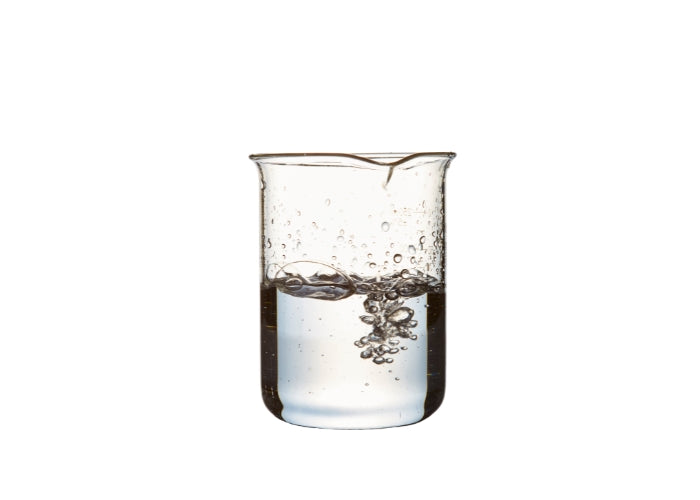
Our Vegetable Glycerine is a clear, colourless, odourless liquid with a thick, syrupy consistency. It is a humectant, which means it attracts and holds moisture, and it is one of the most widely used ingredients in skin care, soap and cosmetic making.
It dissolves in both water and alcohol, so it mixes easily into lotions, creams, gels, washes, toners and soap. It is also handy as a dispersing aid for powders such as clays and colour.
|
Vegetable glycerine Clear, odourless liquid |
Humectant Holds moisture |
Use at 1-10% Lotions, soap, washes |
200 ml to 4 L Five pack sizes |
Safety information: for external (cosmetic) use only. Keep out of reach of children. See Safety below and the Safety Data Sheet in the Product Documents section at the end of this page.
Specifications
| Specification | Detail |
|---|---|
| Product | Vegetable Glycerine |
| INCI | Glycerin |
| Type | Humectant and solvent |
| Source | Vegetable |
| Appearance | Clear, colourless, odourless, syrupy liquid |
| Solubility | Soluble in water and alcohol |
| Typical use rate | About 1-10% depending on the product. Higher rates can feel sticky. Test your own recipe |
| Suitable for | Lotions, creams, gels, toners, washes, soap, scrubs, bath products, hair care |
| Pack Sizes | 200 ml, 500 ml, 1 L, 2 L, 4 L |
| Storage | Sealed, cool and dry, away from sunlight. Glycerine absorbs moisture from the air, so keep the lid on |
| Use | Raw material for makers. Formulation, preservation, safety assessment and labelling of finished products are the maker's responsibility. External use only |
Uses
| Use | How it is used |
|---|---|
| Lotions and creams | A humectant in the water phase. About 2-5% is a common starting point |
| Gels and toners | Adds slip and moisture-holding. Test the feel |
| Soap | Used by some makers in melt and pour, cold process and liquid soaps. Test small batches |
| Dispersing powders | Mix with clay, colour or botanical powder to a paste before adding to a recipe |
| Washes and shampoos | Adds a smoother feel to water-based washes. Test your own recipe |
| Scrubs and bath products | Used in sugar and salt scrubs and bath products. Test your own recipe |
How to Use Glycerine in a Lotion
- Weigh. Weigh the glycerine with the water phase. About 2-5% is a common starting point.
- Heat. Heat the water phase with the glycerine to about 70-75 °C and stir until blended.
- Combine. Combine with the heated oil phase and emulsifier, and blend until smooth.
- Cool. Keep stirring as the lotion cools.
- Add the extras. Below about 40 °C, add heat-sensitive ingredients and your preservatives.
- Test. Check the feel after 24 hours. Lower the glycerine if the lotion feels sticky.
Tip: Mix glycerine with a powder such as clay or colour first. It makes a smooth paste that blends into your recipe without lumps.
Using It in Creams, Soap & Washes ▼
These are common maker starting points, not fixed rules. Results vary with your recipe, so always test a small batch first.
| Use | Starting amount | Notes |
|---|---|---|
| Lotions and creams | About 2-5% | Add to the water phase. Lower if sticky. |
| Gels and toners | About 1-5% | Adds slip and moisture-holding. Test the feel. |
| Melt and pour soap | About 1-3% of the base | Mix with colour or clay first. Too much can make soap sweat. |
| Cold process soap | Used to disperse powders and in small amounts | Test small batches. |
| Washes and shampoos | About 1-5% | Test the feel and clarity. |
Tips & Troubleshooting ▼
| Problem | Likely cause | What to try |
|---|---|---|
| Product feels sticky | Rate too high | Reduce the glycerine in the next batch. |
| Soap sweats in humid weather | Humectants attract moisture | Use less, and wrap soap in a breathable film. |
| Powder clumps | Dry powder added directly | Mix the powder with glycerine to a paste first. |
| Product spoils | Water-based products can grow mould and bacteria | Use clean tools and add a suitable preservative. |
| Thick and slow to pour | Cool temperature | Warm the bottle gently in warm water. |
| Cloudy product | Incompatible ingredients | Test ingredients in small amounts. |
Safety & Selling Your Products ▼
This product is a cosmetic raw material for external use only. Do not swallow it, keep it out of reach of children and keep it away from the eyes. Wear gloves and eye protection when handling the concentrated product, patch test finished products before first use and stop using a product if irritation occurs.
Glycerine is slippery if spilled, so wipe up spills promptly. Water-based products need a suitable preservative.
Selling what you make? This is a raw material for makers. The formulation, preservation, safety assessment, labelling and any regulatory requirements for your finished cosmetics or soap (including the NZ cosmetic rules) are your responsibility, and health or treatment claims should not be made for your products. Contact us at info@purefx.co.nz if you need product information.
Frequently Asked Questions ▼
What is vegetable glycerine?
It is a clear, odourless, syrupy liquid made from vegetable oils. It is a humectant that attracts and holds moisture.
How much do I use?
About 1-10%. For lotions, about 2-5% is a common starting point.
Is it vegan?
It is plant derived. We have not independently verified vegan status, so please ask us before making a vegan claim.
Does it dissolve in water?
Yes. It mixes with water and alcohol.
Can I use it in soap?
Yes. Many makers use it in soap, or to disperse powders and colour. Test small batches.
Does it need a preservative?
Glycerine alone does not preserve a product. Water-based products need a suitable preservative.
How should I store it?
Sealed, in a cool, dry place away from sunlight.
Is it for internal use?
No. It is sold for external cosmetic use only.
Sizes & Price
| Pack | Price | Price per 100 ml |
|---|---|---|
| 200 ml | $6.25 | $3.12 |
| 500 ml | $10.80 | $2.16 |
| 1 L | $15.45 | $1.54 |
| 2 L | $24.20 | $1.21 |
| 4 L | $40.40 | $1.01 |
Pairs Well With
Pair with aloe vera gel, hydrosols and sweet almond oil, and add sorbitol or hyaluronic acid powder. Use with Emulsifying Wax (Neowax B200) or xanthan gum. For soap see our soap additives and melt and pour soap bases. Preserve with Geogard 221 or phenoxyethanol. Browse emulsifiers and thickeners. |
 Product Documents
|
Couldn't load pickup availability
Vegetable Glycerine (Humectant for Skin Care, Soap and Cosmetic Making)
Our Vegetable Glycerine is a clear, colourless, odourless liquid with a thick, syrupy consistency. It is a humectant, which means it attracts and holds moisture, and it is one of the most widely used ingredients in skin care, soap and cosmetic making.
It dissolves in both water and alcohol, so it mixes easily into lotions, creams, gels, washes, toners and soap. It is also handy as a dispersing aid for powders such as clays and colour.
|
Vegetable glycerine Clear, odourless liquid |
Humectant Holds moisture |
Use at 1-10% Lotions, soap, washes |
200 ml to 4 L Five pack sizes |
Safety information: for external (cosmetic) use only. Keep out of reach of children. See Safety below and the Safety Data Sheet in the Product Documents section at the end of this page.
Specifications
| Specification | Detail |
|---|---|
| Product | Vegetable Glycerine |
| INCI | Glycerin |
| Type | Humectant and solvent |
| Source | Vegetable |
| Appearance | Clear, colourless, odourless, syrupy liquid |
| Solubility | Soluble in water and alcohol |
| Typical use rate | About 1-10% depending on the product. Higher rates can feel sticky. Test your own recipe |
| Suitable for | Lotions, creams, gels, toners, washes, soap, scrubs, bath products, hair care |
| Pack Sizes | 200 ml, 500 ml, 1 L, 2 L, 4 L |
| Storage | Sealed, cool and dry, away from sunlight. Glycerine absorbs moisture from the air, so keep the lid on |
| Use | Raw material for makers. Formulation, preservation, safety assessment and labelling of finished products are the maker's responsibility. External use only |
Uses
| Use | How it is used |
|---|---|
| Lotions and creams | A humectant in the water phase. About 2-5% is a common starting point |
| Gels and toners | Adds slip and moisture-holding. Test the feel |
| Soap | Used by some makers in melt and pour, cold process and liquid soaps. Test small batches |
| Dispersing powders | Mix with clay, colour or botanical powder to a paste before adding to a recipe |
| Washes and shampoos | Adds a smoother feel to water-based washes. Test your own recipe |
| Scrubs and bath products | Used in sugar and salt scrubs and bath products. Test your own recipe |
How to Use Glycerine in a Lotion
- Weigh. Weigh the glycerine with the water phase. About 2-5% is a common starting point.
- Heat. Heat the water phase with the glycerine to about 70-75 °C and stir until blended.
- Combine. Combine with the heated oil phase and emulsifier, and blend until smooth.
- Cool. Keep stirring as the lotion cools.
- Add the extras. Below about 40 °C, add heat-sensitive ingredients and your preservatives.
- Test. Check the feel after 24 hours. Lower the glycerine if the lotion feels sticky.
Tip: Mix glycerine with a powder such as clay or colour first. It makes a smooth paste that blends into your recipe without lumps.
Using It in Creams, Soap & Washes ▼
These are common maker starting points, not fixed rules. Results vary with your recipe, so always test a small batch first.
| Use | Starting amount | Notes |
|---|---|---|
| Lotions and creams | About 2-5% | Add to the water phase. Lower if sticky. |
| Gels and toners | About 1-5% | Adds slip and moisture-holding. Test the feel. |
| Melt and pour soap | About 1-3% of the base | Mix with colour or clay first. Too much can make soap sweat. |
| Cold process soap | Used to disperse powders and in small amounts | Test small batches. |
| Washes and shampoos | About 1-5% | Test the feel and clarity. |
Tips & Troubleshooting ▼
| Problem | Likely cause | What to try |
|---|---|---|
| Product feels sticky | Rate too high | Reduce the glycerine in the next batch. |
| Soap sweats in humid weather | Humectants attract moisture | Use less, and wrap soap in a breathable film. |
| Powder clumps | Dry powder added directly | Mix the powder with glycerine to a paste first. |
| Product spoils | Water-based products can grow mould and bacteria | Use clean tools and add a suitable preservative. |
| Thick and slow to pour | Cool temperature | Warm the bottle gently in warm water. |
| Cloudy product | Incompatible ingredients | Test ingredients in small amounts. |
Safety & Selling Your Products ▼
This product is a cosmetic raw material for external use only. Do not swallow it, keep it out of reach of children and keep it away from the eyes. Wear gloves and eye protection when handling the concentrated product, patch test finished products before first use and stop using a product if irritation occurs.
Glycerine is slippery if spilled, so wipe up spills promptly. Water-based products need a suitable preservative.
Selling what you make? This is a raw material for makers. The formulation, preservation, safety assessment, labelling and any regulatory requirements for your finished cosmetics or soap (including the NZ cosmetic rules) are your responsibility, and health or treatment claims should not be made for your products. Contact us at info@purefx.co.nz if you need product information.
Frequently Asked Questions ▼
What is vegetable glycerine?
It is a clear, odourless, syrupy liquid made from vegetable oils. It is a humectant that attracts and holds moisture.
How much do I use?
About 1-10%. For lotions, about 2-5% is a common starting point.
Is it vegan?
It is plant derived. We have not independently verified vegan status, so please ask us before making a vegan claim.
Does it dissolve in water?
Yes. It mixes with water and alcohol.
Can I use it in soap?
Yes. Many makers use it in soap, or to disperse powders and colour. Test small batches.
Does it need a preservative?
Glycerine alone does not preserve a product. Water-based products need a suitable preservative.
How should I store it?
Sealed, in a cool, dry place away from sunlight.
Is it for internal use?
No. It is sold for external cosmetic use only.
Sizes & Price
| Pack | Price | Price per 100 ml |
|---|---|---|
| 200 ml | $6.25 | $3.12 |
| 500 ml | $10.80 | $2.16 |
| 1 L | $15.45 | $1.54 |
| 2 L | $24.20 | $1.21 |
| 4 L | $40.40 | $1.01 |
Pairs Well With
Pair with aloe vera gel, hydrosols and sweet almond oil, and add sorbitol or hyaluronic acid powder. Use with Emulsifying Wax (Neowax B200) or xanthan gum. For soap see our soap additives and melt and pour soap bases. Preserve with Geogard 221 or phenoxyethanol. Browse emulsifiers and thickeners. |
|
Product Documents
|