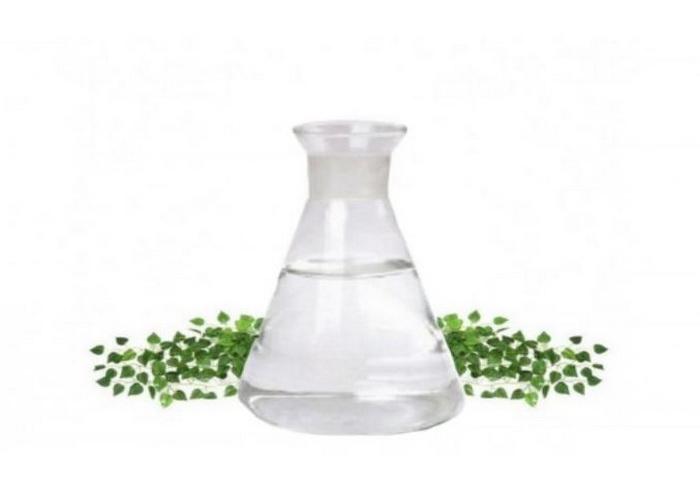
Sodium Lactate
Sodium Lactate
Sodium Lactate (Soap Hardener and Humectant (60% Solution))
Our Sodium Lactate is a liquid salt made from the fermentation of natural sugars, supplied as a 60% aqueous solution. In cold process soap it is popular for making a harder bar that lasts longer in the shower and is easier to unmould.
As a salt of lactic acid it is also a humectant, so makers use it in lotions, creams and other water-based products, where it is often used in place of glycerine.
|
60% solution Sodium salt of lactic acid |
Harder soap bars Easier unmoulding |
Humectant for lotions Use at 0.5-4% |
100 ml to 4 L Six pack sizes |
Safety information: for external (cosmetic) use only. Keep out of reach of children and keep away from the eyes. See Safety below and the Safety Data Sheet in the Product Documents section at the end of this page.
Specifications
| Specification | Detail |
|---|---|
| Product | Sodium Lactate |
| INCI | Sodium Lactate |
| Type | Sodium salt of lactic acid, humectant and soap hardener |
| Concentration | 60% aqueous solution |
| Appearance | Clear, colourless to pale yellow liquid |
| Source | Made by the fermentation of natural sugars |
| Solubility | Water soluble |
| Typical use rate | About 0.5-4% depending on the product. Test your own recipe |
| Suitable for | Cold process soap, lotions, creams, other water-based products |
| Pack Sizes | 100 ml, 200 ml, 500 ml, 1 L, 2 L, 4 L |
| Storage | Sealed, cool and dry, away from heat and sunlight |
| Use | Raw material for makers. Formulation, preservation, safety assessment and labelling of finished products are the maker's responsibility. Not for internal use |
Uses
| Use | How it is used |
|---|---|
| Cold process soap | Add to cooled lye water to make a harder bar. About 1 teaspoon per 500 g of oils is a common starting point |
| Lotions and creams | Add to the water phase as a humectant, often in place of glycerine |
| Body wash and washes | Used in water-based products. Test your own recipe |
| Scrubs and body products | Used in some water-containing scrubs. Test your own recipe |
| Liquid soap | Used by some makers in liquid soap. Test small batches |
| Moisturising sprays | A humectant in water-based mists. Preserve the product |
How to Add Sodium Lactate to Cold Process Soap
- Wear safety gear. Wear gloves and eye protection whenever you make soap with lye.
- Make your lye water. Mix the lye and water as usual and let it cool down.
- Add the sodium lactate. Stir the sodium lactate into the cooled lye water. Many makers use about 1 teaspoon per 500 g of oils.
- Make the soap. Mix the lye water with your oils and bring to trace as normal.
- Pour and set. Pour into the mould and set. Soap with sodium lactate can harden quickly, so you may need to unmould earlier.
- Cure. Cure the soap as usual before use.
Tip: Soap with sodium lactate can set quickly and be hard to cut late. Unmould and cut earlier than you normally would.
Using It in Soap & Lotions ▼
These are common maker starting points, not fixed rules. Results vary with your recipe, so always test a small batch first.
| Use | Starting amount | Notes |
|---|---|---|
| Cold process soap | About 1 teaspoon per 500 g of oils, up to about 4% | Add to cooled lye water. Include in your recipe notes. |
| Lotions and creams | About 0.5-4% | Add to the water phase. Often used instead of glycerine. |
| Body wash | About 0.5-3% | Add to the water phase. Test the feel. |
| Water-based mists | About 0.5-2% | Preserve the product. |
| Liquid soap | As tested | Test small batches. |
Tips & Troubleshooting ▼
| Problem | Likely cause | What to try |
|---|---|---|
| Soap sets too fast | Sodium lactate speeds hardening | Unmould and cut earlier, or use a little less. |
| Soap crumbles when cutting | Cut too late | Cut as early as the soap allows. |
| White crystals or ash | Common with some soaps | Reduce the amount or adjust temperatures. Test. |
| Soap feels sticky or damp | Humectants can attract moisture | Cure in a dry, ventilated place. |
| Lotion feels sticky | Rate too high | Reduce the amount. |
| Product spoils | Water-based products can grow mould and bacteria | Use clean tools and add a suitable preservative. |
Safety & Selling Your Products ▼
This product is a cosmetic raw material for external use only. Do not swallow it, keep it out of reach of children and keep it away from the eyes. Wear gloves and eye protection when handling the concentrated product, patch test finished products before first use and stop using a product if irritation occurs.
If you add it to cold process soap, take the usual care with lye: wear gloves and eye protection, work in a ventilated space and keep lye away from children and pets. Water-based lotions need a suitable preservative.
Selling what you make? This is a raw material for makers. The formulation, preservation, safety assessment, labelling and any regulatory requirements for your finished cosmetics or soap (including the NZ cosmetic rules) are your responsibility, and health or treatment claims should not be made for your products. Contact us at info@purefx.co.nz if you need product information.
Frequently Asked Questions ▼
What does sodium lactate do in soap?
It helps make a harder bar that lasts longer and unmoulds more easily.
How much do I use?
About 0.5-4%. For soap, many makers start at about 1 teaspoon per 500 g of oils.
When do I add it to soap?
Stir it into cooled lye water before mixing with the oils.
Is it a humectant?
Yes. It attracts moisture, so it is used in lotions, often instead of glycerine.
Does it replace glycerine?
In some lotions it is used in place of glycerine. Test your own recipe.
What strength is it?
It is a 60% aqueous solution.
Do I need a preservative?
For water-based products, yes.
How should I store it?
Sealed, in a cool, dry place away from heat and sunlight.
Is it for internal use?
No. It is sold for external cosmetic use only.
Sizes & Price
| Pack | Price | Price per 100 ml |
|---|---|---|
| 100 ml | $4.50 | $4.50 |
| 200 ml | $8.50 | $4.25 |
| 500 ml | $14.50 | $2.90 |
| 1 L | $27.00 | $2.70 |
| 2 L | $49.00 | $2.45 |
| 4 L | $95.00 | $2.38 |
Pairs Well With
Pair with sweet almond oil and vegetable glycerine, and add lavender essential oil or Roman chamomile essential oil. For soap, see our soap additives and melt and pour soap bases. For lotions use Emulsifying Wax (Neowax B200) or xanthan gum, and preserve with Geogard 221 or phenoxyethanol. Browse emulsifiers and thickeners. |
 Product Documents
|
Couldn't load pickup availability
Sodium Lactate (Soap Hardener and Humectant (60% Solution))
Our Sodium Lactate is a liquid salt made from the fermentation of natural sugars, supplied as a 60% aqueous solution. In cold process soap it is popular for making a harder bar that lasts longer in the shower and is easier to unmould.
As a salt of lactic acid it is also a humectant, so makers use it in lotions, creams and other water-based products, where it is often used in place of glycerine.
|
60% solution Sodium salt of lactic acid |
Harder soap bars Easier unmoulding |
Humectant for lotions Use at 0.5-4% |
100 ml to 4 L Six pack sizes |
Safety information: for external (cosmetic) use only. Keep out of reach of children and keep away from the eyes. See Safety below and the Safety Data Sheet in the Product Documents section at the end of this page.
Specifications
| Specification | Detail |
|---|---|
| Product | Sodium Lactate |
| INCI | Sodium Lactate |
| Type | Sodium salt of lactic acid, humectant and soap hardener |
| Concentration | 60% aqueous solution |
| Appearance | Clear, colourless to pale yellow liquid |
| Source | Made by the fermentation of natural sugars |
| Solubility | Water soluble |
| Typical use rate | About 0.5-4% depending on the product. Test your own recipe |
| Suitable for | Cold process soap, lotions, creams, other water-based products |
| Pack Sizes | 100 ml, 200 ml, 500 ml, 1 L, 2 L, 4 L |
| Storage | Sealed, cool and dry, away from heat and sunlight |
| Use | Raw material for makers. Formulation, preservation, safety assessment and labelling of finished products are the maker's responsibility. Not for internal use |
Uses
| Use | How it is used |
|---|---|
| Cold process soap | Add to cooled lye water to make a harder bar. About 1 teaspoon per 500 g of oils is a common starting point |
| Lotions and creams | Add to the water phase as a humectant, often in place of glycerine |
| Body wash and washes | Used in water-based products. Test your own recipe |
| Scrubs and body products | Used in some water-containing scrubs. Test your own recipe |
| Liquid soap | Used by some makers in liquid soap. Test small batches |
| Moisturising sprays | A humectant in water-based mists. Preserve the product |
How to Add Sodium Lactate to Cold Process Soap
- Wear safety gear. Wear gloves and eye protection whenever you make soap with lye.
- Make your lye water. Mix the lye and water as usual and let it cool down.
- Add the sodium lactate. Stir the sodium lactate into the cooled lye water. Many makers use about 1 teaspoon per 500 g of oils.
- Make the soap. Mix the lye water with your oils and bring to trace as normal.
- Pour and set. Pour into the mould and set. Soap with sodium lactate can harden quickly, so you may need to unmould earlier.
- Cure. Cure the soap as usual before use.
Tip: Soap with sodium lactate can set quickly and be hard to cut late. Unmould and cut earlier than you normally would.
Using It in Soap & Lotions ▼
These are common maker starting points, not fixed rules. Results vary with your recipe, so always test a small batch first.
| Use | Starting amount | Notes |
|---|---|---|
| Cold process soap | About 1 teaspoon per 500 g of oils, up to about 4% | Add to cooled lye water. Include in your recipe notes. |
| Lotions and creams | About 0.5-4% | Add to the water phase. Often used instead of glycerine. |
| Body wash | About 0.5-3% | Add to the water phase. Test the feel. |
| Water-based mists | About 0.5-2% | Preserve the product. |
| Liquid soap | As tested | Test small batches. |
Tips & Troubleshooting ▼
| Problem | Likely cause | What to try |
|---|---|---|
| Soap sets too fast | Sodium lactate speeds hardening | Unmould and cut earlier, or use a little less. |
| Soap crumbles when cutting | Cut too late | Cut as early as the soap allows. |
| White crystals or ash | Common with some soaps | Reduce the amount or adjust temperatures. Test. |
| Soap feels sticky or damp | Humectants can attract moisture | Cure in a dry, ventilated place. |
| Lotion feels sticky | Rate too high | Reduce the amount. |
| Product spoils | Water-based products can grow mould and bacteria | Use clean tools and add a suitable preservative. |
Safety & Selling Your Products ▼
This product is a cosmetic raw material for external use only. Do not swallow it, keep it out of reach of children and keep it away from the eyes. Wear gloves and eye protection when handling the concentrated product, patch test finished products before first use and stop using a product if irritation occurs.
If you add it to cold process soap, take the usual care with lye: wear gloves and eye protection, work in a ventilated space and keep lye away from children and pets. Water-based lotions need a suitable preservative.
Selling what you make? This is a raw material for makers. The formulation, preservation, safety assessment, labelling and any regulatory requirements for your finished cosmetics or soap (including the NZ cosmetic rules) are your responsibility, and health or treatment claims should not be made for your products. Contact us at info@purefx.co.nz if you need product information.
Frequently Asked Questions ▼
What does sodium lactate do in soap?
It helps make a harder bar that lasts longer and unmoulds more easily.
How much do I use?
About 0.5-4%. For soap, many makers start at about 1 teaspoon per 500 g of oils.
When do I add it to soap?
Stir it into cooled lye water before mixing with the oils.
Is it a humectant?
Yes. It attracts moisture, so it is used in lotions, often instead of glycerine.
Does it replace glycerine?
In some lotions it is used in place of glycerine. Test your own recipe.
What strength is it?
It is a 60% aqueous solution.
Do I need a preservative?
For water-based products, yes.
How should I store it?
Sealed, in a cool, dry place away from heat and sunlight.
Is it for internal use?
No. It is sold for external cosmetic use only.
Sizes & Price
| Pack | Price | Price per 100 ml |
|---|---|---|
| 100 ml | $4.50 | $4.50 |
| 200 ml | $8.50 | $4.25 |
| 500 ml | $14.50 | $2.90 |
| 1 L | $27.00 | $2.70 |
| 2 L | $49.00 | $2.45 |
| 4 L | $95.00 | $2.38 |
Pairs Well With
Pair with sweet almond oil and vegetable glycerine, and add lavender essential oil or Roman chamomile essential oil. For soap, see our soap additives and melt and pour soap bases. For lotions use Emulsifying Wax (Neowax B200) or xanthan gum, and preserve with Geogard 221 or phenoxyethanol. Browse emulsifiers and thickeners. |
|
Product Documents
|