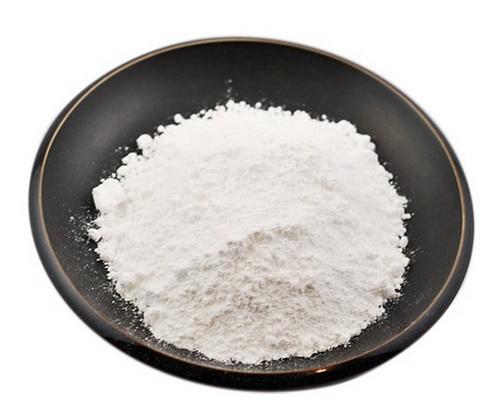
Sodium Carbomer (Preneutralised)
Sodium Carbomer (Preneutralised)
Sodium Carbomer (Preneutralised) (Ready-to-Use Gel Thickener)
Our Sodium Carbomer is a preneutralised carbomer: a dry powder that is already in its sodium carbomer form, with a pH of about 6.5. Unlike standard carbomers, it does not need an alkaline neutraliser to thicken.
You sprinkle it into water or a water and alcohol blend and it thickens straight away into a clear, viscous gel. It is used to thicken gels, serums, lotions and washes at very low rates.
|
Preneutralised No neutraliser needed |
Clear gels Thickens on contact with water |
Use at 0.2-0.5% Very low rates |
50 g to 2 kg Six pack sizes |
Safety information: for external (cosmetic) use only. Keep out of reach of children, keep away from the eyes and avoid breathing in the dust. See Safety below and the Safety Data Sheet in the Product Documents section at the end of this page.
Specifications
| Specification | Detail |
|---|---|
| Product | Sodium Carbomer (Preneutralised) |
| INCI (typical) | Sodium Carbomer |
| Type | Preneutralised carbomer (synthetic acrylic polymer) thickener |
| Appearance | Fine white powder |
| pH | About 6.5 as a dry powder, staying about 6-7.5 in a gel (typical) |
| Thickening range | Thickens across about pH 5-10 at about 0.2% |
| Typical use rate | About 0.2-0.5%. Test your own recipe |
| Suitable for | Clear gels, serums, lotions, creams, washes, water and alcohol gels |
| Pack Sizes | 50 g, 100 g, 250 g, 500 g, 1 kg, 2 kg |
| Storage | Sealed, cool and dry, away from moisture. The powder absorbs moisture from the air |
| Use | Raw material for makers. Formulation, preservation, safety assessment and labelling of finished products are the maker's responsibility. Not for internal use |
Uses
| Use | How it is used |
|---|---|
| Clear gels | Sprinkle into water for a clear, viscous gel. About 0.2-0.5% |
| Serums | Gives a light, gel-like texture. Test with your actives |
| Lotions and creams | Can be dispersed in the oil or water phase before emulsifying, or added directly to the emulsion |
| Washes and cleansers | Test with your surfactants and watch the effect of salt |
| Water and alcohol gels | Thickens water and alcohol blends, including about 70:30 water to alcohol (about 30% alcohol). Test your own recipe |
| Low-pH or high-pH products | Thickens over about pH 5-10. Adjust within that range |
How to Make a Simple Gel
- Weigh. Weigh the water or water and alcohol blend and the sodium carbomer. About 0.3-0.5% is a common starting point (0.3-0.5 g per 100 g).
- Sprinkle. Sprinkle the powder slowly over the surface while stirring. Slow addition avoids lumps and gives quick thickening.
- Mix. Stir gently until smooth. Avoid whipping in air, which creates bubbles.
- Adjust. Add more water or powder a little at a time. If you need a lower pH, adjust slowly with citric acid or lactic acid.
- Add the extras. Stir in water-soluble ingredients, fragrance and your preservatives.
- Pack and test. Let any bubbles rise, pour into clean containers and check the thickness the next day.
Tip: Add acids slowly. Large amounts of acid or electrolytes can reduce the viscosity of a carbomer gel.
Formulation Notes ▼
Sodium carbomer does not need pre-dispersion. It thickens as soon as it is sprinkled into the water or a water and alcohol blend.
During emulsions, it can be dispersed into the oil or the water phase before the emulsification step, or sprinkled directly into the finished emulsion and stirred until even.
The pH at 0.5% in water is around 7. If a lower pH is needed, small adjustments can be made with an acid such as citric acid or lactic acid. High amounts of acid should be avoided because the salts that form can reduce the viscosity.
Sodium carbomer is not film-forming and dries quickly. It tolerates a 70:30 blend of water and alcohol. Water-soluble UV absorbers can help prevent loss of viscosity from UV light.
Tips & Troubleshooting ▼
| Problem | Likely cause | What to try |
|---|---|---|
| Lumps in the gel | Powder added too quickly | Sprinkle slowly while stirring. If lumps form, blend with a stick blender and leave to hydrate. |
| Gel is thinner than expected | High salt or acid content | Reduce salts and acids in the formula, or increase the sodium carbomer slightly. |
| Bubbles in the gel | Whipped in air | Stir gently, then leave to stand so the bubbles rise. |
| Gel is cloudy | Incompatible ingredients or bubbles | Check each ingredient in a small test. Leave to stand for bubbles. |
| Gel thins over time | Contamination or lack of preservative | Use clean tools and add a suitable preservative. |
| Gel feels tacky | Rate too high | Reduce the amount in the next batch. |
Safety & Selling Your Products ▼
This product is a cosmetic raw material for external use only. Do not swallow it, keep it out of reach of children and keep it away from the eyes. Fine powders can irritate the airways, so wear a dust mask when weighing or pouring and avoid creating dust clouds. Patch test finished products before first use and stop using a product if irritation occurs.
Carbomer powder can become slippery when wet. Gels and other water-based products need a suitable preservative.
Selling what you make? This is a raw material for makers. The formulation, preservation, safety assessment, labelling and any regulatory requirements for your finished cosmetics or soap (including the NZ cosmetic rules) are your responsibility, and health or treatment claims should not be made for your products. Contact us at info@purefx.co.nz if you need product information.
Frequently Asked Questions ▼
What is a preneutralised carbomer?
It is a carbomer supplied already in its sodium form, so you do not need to add an alkaline neutraliser to thicken it.
How much do I use?
About 0.2-0.5%. Start low and add a little at a time.
What pH does it work at?
It thickens across about pH 5-10. A gel in water is typically about pH 6-7.5.
Does it need pre-dispersing?
No. Sprinkle it into the water slowly while stirring.
Can I use it in an emulsion?
Yes. It can be added to the oil or water phase before emulsifying, or into the finished emulsion.
Can I use it with alcohol?
Yes. It thickens a 70:30 blend of water and alcohol (about 30% alcohol).
Does it need a preservative?
Yes. Carbomer gels neither prevent nor promote microbial growth, so anything containing water needs a suitable preservative.
How should I store it?
Sealed, in a cool, dry place away from moisture.
Is it for internal use?
No. It is sold for external cosmetic use only.
Sizes & Price
| Pack | Price | Price per 100 g |
|---|---|---|
| 50 g | $8.50 | $17.00 |
| 100 g | $16.00 | $16.00 |
| 250 g | $38.00 | $15.20 |
| 500 g | $74.00 | $14.80 |
| 1 kg | $145.00 | $14.50 |
| 2 kg | $280.00 | $14.00 |
Pairs Well With
Pair with aloe vera gel, vegetable glycerine and hydrosols, and add hyaluronic acid powder or vitamin E oil. Preserve with Geogard 221 or phenoxyethanol, and thicken blends alongside xanthan gum. Browse emulsifiers and thickeners. |
 Product Documents
|
Couldn't load pickup availability
Sodium Carbomer (Preneutralised) (Ready-to-Use Gel Thickener)
Our Sodium Carbomer is a preneutralised carbomer: a dry powder that is already in its sodium carbomer form, with a pH of about 6.5. Unlike standard carbomers, it does not need an alkaline neutraliser to thicken.
You sprinkle it into water or a water and alcohol blend and it thickens straight away into a clear, viscous gel. It is used to thicken gels, serums, lotions and washes at very low rates.
|
Preneutralised No neutraliser needed |
Clear gels Thickens on contact with water |
Use at 0.2-0.5% Very low rates |
50 g to 2 kg Six pack sizes |
Safety information: for external (cosmetic) use only. Keep out of reach of children, keep away from the eyes and avoid breathing in the dust. See Safety below and the Safety Data Sheet in the Product Documents section at the end of this page.
Specifications
| Specification | Detail |
|---|---|
| Product | Sodium Carbomer (Preneutralised) |
| INCI (typical) | Sodium Carbomer |
| Type | Preneutralised carbomer (synthetic acrylic polymer) thickener |
| Appearance | Fine white powder |
| pH | About 6.5 as a dry powder, staying about 6-7.5 in a gel (typical) |
| Thickening range | Thickens across about pH 5-10 at about 0.2% |
| Typical use rate | About 0.2-0.5%. Test your own recipe |
| Suitable for | Clear gels, serums, lotions, creams, washes, water and alcohol gels |
| Pack Sizes | 50 g, 100 g, 250 g, 500 g, 1 kg, 2 kg |
| Storage | Sealed, cool and dry, away from moisture. The powder absorbs moisture from the air |
| Use | Raw material for makers. Formulation, preservation, safety assessment and labelling of finished products are the maker's responsibility. Not for internal use |
Uses
| Use | How it is used |
|---|---|
| Clear gels | Sprinkle into water for a clear, viscous gel. About 0.2-0.5% |
| Serums | Gives a light, gel-like texture. Test with your actives |
| Lotions and creams | Can be dispersed in the oil or water phase before emulsifying, or added directly to the emulsion |
| Washes and cleansers | Test with your surfactants and watch the effect of salt |
| Water and alcohol gels | Thickens water and alcohol blends, including about 70:30 water to alcohol (about 30% alcohol). Test your own recipe |
| Low-pH or high-pH products | Thickens over about pH 5-10. Adjust within that range |
How to Make a Simple Gel
- Weigh. Weigh the water or water and alcohol blend and the sodium carbomer. About 0.3-0.5% is a common starting point (0.3-0.5 g per 100 g).
- Sprinkle. Sprinkle the powder slowly over the surface while stirring. Slow addition avoids lumps and gives quick thickening.
- Mix. Stir gently until smooth. Avoid whipping in air, which creates bubbles.
- Adjust. Add more water or powder a little at a time. If you need a lower pH, adjust slowly with citric acid or lactic acid.
- Add the extras. Stir in water-soluble ingredients, fragrance and your preservatives.
- Pack and test. Let any bubbles rise, pour into clean containers and check the thickness the next day.
Tip: Add acids slowly. Large amounts of acid or electrolytes can reduce the viscosity of a carbomer gel.
Formulation Notes ▼
Sodium carbomer does not need pre-dispersion. It thickens as soon as it is sprinkled into the water or a water and alcohol blend.
During emulsions, it can be dispersed into the oil or the water phase before the emulsification step, or sprinkled directly into the finished emulsion and stirred until even.
The pH at 0.5% in water is around 7. If a lower pH is needed, small adjustments can be made with an acid such as citric acid or lactic acid. High amounts of acid should be avoided because the salts that form can reduce the viscosity.
Sodium carbomer is not film-forming and dries quickly. It tolerates a 70:30 blend of water and alcohol. Water-soluble UV absorbers can help prevent loss of viscosity from UV light.
Tips & Troubleshooting ▼
| Problem | Likely cause | What to try |
|---|---|---|
| Lumps in the gel | Powder added too quickly | Sprinkle slowly while stirring. If lumps form, blend with a stick blender and leave to hydrate. |
| Gel is thinner than expected | High salt or acid content | Reduce salts and acids in the formula, or increase the sodium carbomer slightly. |
| Bubbles in the gel | Whipped in air | Stir gently, then leave to stand so the bubbles rise. |
| Gel is cloudy | Incompatible ingredients or bubbles | Check each ingredient in a small test. Leave to stand for bubbles. |
| Gel thins over time | Contamination or lack of preservative | Use clean tools and add a suitable preservative. |
| Gel feels tacky | Rate too high | Reduce the amount in the next batch. |
Safety & Selling Your Products ▼
This product is a cosmetic raw material for external use only. Do not swallow it, keep it out of reach of children and keep it away from the eyes. Fine powders can irritate the airways, so wear a dust mask when weighing or pouring and avoid creating dust clouds. Patch test finished products before first use and stop using a product if irritation occurs.
Carbomer powder can become slippery when wet. Gels and other water-based products need a suitable preservative.
Selling what you make? This is a raw material for makers. The formulation, preservation, safety assessment, labelling and any regulatory requirements for your finished cosmetics or soap (including the NZ cosmetic rules) are your responsibility, and health or treatment claims should not be made for your products. Contact us at info@purefx.co.nz if you need product information.
Frequently Asked Questions ▼
What is a preneutralised carbomer?
It is a carbomer supplied already in its sodium form, so you do not need to add an alkaline neutraliser to thicken it.
How much do I use?
About 0.2-0.5%. Start low and add a little at a time.
What pH does it work at?
It thickens across about pH 5-10. A gel in water is typically about pH 6-7.5.
Does it need pre-dispersing?
No. Sprinkle it into the water slowly while stirring.
Can I use it in an emulsion?
Yes. It can be added to the oil or water phase before emulsifying, or into the finished emulsion.
Can I use it with alcohol?
Yes. It thickens a 70:30 blend of water and alcohol (about 30% alcohol).
Does it need a preservative?
Yes. Carbomer gels neither prevent nor promote microbial growth, so anything containing water needs a suitable preservative.
How should I store it?
Sealed, in a cool, dry place away from moisture.
Is it for internal use?
No. It is sold for external cosmetic use only.
Sizes & Price
| Pack | Price | Price per 100 g |
|---|---|---|
| 50 g | $8.50 | $17.00 |
| 100 g | $16.00 | $16.00 |
| 250 g | $38.00 | $15.20 |
| 500 g | $74.00 | $14.80 |
| 1 kg | $145.00 | $14.50 |
| 2 kg | $280.00 | $14.00 |
Pairs Well With
Pair with aloe vera gel, vegetable glycerine and hydrosols, and add hyaluronic acid powder or vitamin E oil. Preserve with Geogard 221 or phenoxyethanol, and thicken blends alongside xanthan gum. Browse emulsifiers and thickeners. |
|
Product Documents
|