Zinc Oxide - Non Nano
Zinc Oxide - Non Nano
Zinc Oxide (Non-Nano)
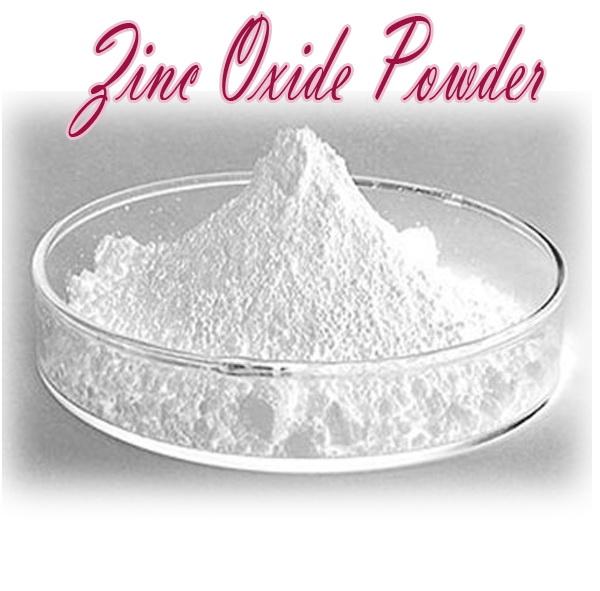
Our Zinc Oxide is a fine, white, non-nano mineral powder used in cosmetic making. It gives opacity and a soft white colour to mineral makeup, balms, creams and powders, and it is used in barrier-style formulas and in the formulation of sun-care products.
Zinc oxide is insoluble in water, so it sits in your product as a fine powder. Disperse it in your oil phase for balms and creams, or blend it with other powders for mineral makeup and body powders.
|
Non-nano Particles above the nano range |
Opacity and colour Soft, matt white |
Barrier balms and creams Disperse in the oil phase |
100 g to 5 kg Six pack sizes |
Safety information: for external (cosmetic) use only. Keep out of reach of children and keep away from the eyes. Avoid breathing in the dust and wear a dust mask when weighing. Very toxic to aquatic life, so keep it out of waterways. See Safety below and the Safety Data Sheet in the Product Documents section at the end of this page.
Specifications
| Specification | Detail |
|---|---|
| Product | Zinc Oxide, Non-Nano |
| INCI | Zinc Oxide |
| Chemical name / CAS | Zinc oxide, CAS 1314-13-2 |
| Formula | ZnO (molecular weight 81.38) |
| Appearance | Fine white powder |
| Odour | Odourless |
| Particle size | Non-nano: not manufactured to the nano size range |
| Solubility | Insoluble in water and oils |
| Suitable for | Mineral makeup, balms, barrier creams, body powders, soap colour and sun-care formulation |
| Not suitable for | Internal use. Avoid breathing the dust |
| Pack Sizes | 100 g, 250 g, 500 g, 1 kg, 2 kg, 5 kg |
| Storage | Sealed, cool and dry, away from moisture |
| Use | Raw material for makers. Formulation, safety assessment and labelling of finished products are the maker’s responsibility |
Uses
| Use | How it is used |
|---|---|
| Mineral makeup | Blend with micas and clays to give opacity and coverage |
| Balms and barrier creams | Disperse into melted butters and oils for a thick, white, protective-feel balm |
| Body and baby-style powders | Blend with kaolin or arrowroot for a silky powder |
| Sun-care formulation | Used by formulators in sunscreen products. These must be tested and labelled to the relevant standard by the maker |
| Soap and craft colour | Gives a soft white colour in soap, bath bombs and craft |
| Lip and cheek colour | Adds opacity to lip, cheek and eye colour |
How to Add Zinc Oxide to a Balm
- Protect yourself. Wear a dust mask and avoid creating dust clouds when weighing.
- Melt the base. Melt your butters, oils and wax gently in a heatproof jug.
- Make a paste. Stir the zinc oxide with a little of the warm oil to make a smooth, lump-free paste.
- Blend. Stir the paste into the melted base and mix well with a stick blender or whisk.
- Pour and stir. Stir as it starts to cool so the zinc oxide stays evenly suspended, then pour into tins or jars.
Tip: Zinc oxide is heavy and settles, so keep stirring while the balm cools and pour just before it sets.
Usage Starting Points ▼
These are common starting points, not fixed rules. Results vary with your recipe, so always test a small batch first.
| Use | Starting amount | Notes |
|---|---|---|
| Barrier-style balm | About 10–20% | Disperse in the oil phase and stir while cooling. |
| Mineral makeup | As needed for opacity | Blend with micas, clays and a little oil. |
| Body powder | 5–20% | Blend with kaolin or arrowroot. |
| Soap colour | A small amount, tested first | Mix with a little oil before adding. |
Sun-care products must be tested and labelled to the relevant standard. We do not make SPF claims for this ingredient.
Tips & Troubleshooting ▼
| Problem | Likely cause | What to try |
|---|---|---|
| Balm is gritty | Zinc oxide not fully dispersed | Make a paste with a little oil first and use a stick blender. |
| Zinc oxide settles to the bottom of the tin | Balm set too slowly | Stir while cooling and pour just before it sets. |
| White cast on skin | Zinc oxide is opaque | Use less, or blend with micas and iron oxides to match skin tones. |
| Powder is dusty | Very fine, light powder | Work gently, wear a dust mask and wipe up with a damp cloth. |
Safety & Handling ▼
This product is a cosmetic raw material for external use only. Keep it out of reach of children and keep it away from the eyes. Fine powders can irritate the airways, so wear a dust mask when weighing or pouring and avoid creating dust clouds. Do a patch test on a finished product before first use and stop using it if irritation occurs. Zinc oxide is very toxic to aquatic life, so do not wash it into drains or waterways.
Sunscreen and sun-care products are subject to strict requirements. If you make them for sale, you are responsible for appropriate testing, labelling and compliance. We do not make SPF or sun protection claims for this ingredient.
Selling what you make? This is a raw material for makers. The formulation, preservation, safety assessment, labelling and any regulatory requirements for your finished cosmetics or soap (including the NZ cosmetic rules) are your responsibility, and health or treatment claims should not be made for your products. Contact us at info@purefx.co.nz if you need product information.
Frequently Asked Questions ▼
What does non-nano mean?
It means the particles are not manufactured in the nano size range. Non-nano zinc oxide stays on the surface of the skin.
Can I make sunscreen with it?
It is used by formulators in sun-care products, but sunscreens must be tested and labelled to the relevant standard. The maker is responsible for compliance.
Does it mix with water?
No. It is insoluble and sits as a suspended powder. Disperse it in oil or blend it with other powders.
How much do I use?
About 10–20% is a common starting point in barrier-style balms. See the table above.
Can I eat it?
No. It is sold for external cosmetic use only.
Sizes & Price
| Pack | Price | Price per 100 g |
|---|---|---|
| 100 g | $6.95 | $6.95 |
| 250 g | $11.30 | $4.52 |
| 500 g | $19.00 | $3.80 |
| 1 kg | $36.00 | $3.60 |
| 2 kg | $60.40 | $3.02 |
| 5 kg | $142.00 | $2.84 |
Pairs Well With
Pair with titanium dioxide, kaolin clay, calamine powder and mica for mineral makeup and powders. For balms, use shea butter, cocoa butter, beeswax, sweet almond oil and natural vitamin E, and scent with lavender essential oil. Browse all raw ingredients. |
 Product Documents
|
Couldn't load pickup availability
Zinc Oxide (Non-Nano)
Our Zinc Oxide is a fine, white, non-nano mineral powder used in cosmetic making. It gives opacity and a soft white colour to mineral makeup, balms, creams and powders, and it is used in barrier-style formulas and in the formulation of sun-care products.
Zinc oxide is insoluble in water, so it sits in your product as a fine powder. Disperse it in your oil phase for balms and creams, or blend it with other powders for mineral makeup and body powders.
|
Non-nano Particles above the nano range |
Opacity and colour Soft, matt white |
Barrier balms and creams Disperse in the oil phase |
100 g to 5 kg Six pack sizes |
Safety information: for external (cosmetic) use only. Keep out of reach of children and keep away from the eyes. Avoid breathing in the dust and wear a dust mask when weighing. Very toxic to aquatic life, so keep it out of waterways. See Safety below and the Safety Data Sheet in the Product Documents section at the end of this page.
Specifications
| Specification | Detail |
|---|---|
| Product | Zinc Oxide, Non-Nano |
| INCI | Zinc Oxide |
| Chemical name / CAS | Zinc oxide, CAS 1314-13-2 |
| Formula | ZnO (molecular weight 81.38) |
| Appearance | Fine white powder |
| Odour | Odourless |
| Particle size | Non-nano: not manufactured to the nano size range |
| Solubility | Insoluble in water and oils |
| Suitable for | Mineral makeup, balms, barrier creams, body powders, soap colour and sun-care formulation |
| Not suitable for | Internal use. Avoid breathing the dust |
| Pack Sizes | 100 g, 250 g, 500 g, 1 kg, 2 kg, 5 kg |
| Storage | Sealed, cool and dry, away from moisture |
| Use | Raw material for makers. Formulation, safety assessment and labelling of finished products are the maker’s responsibility |
Uses
| Use | How it is used |
|---|---|
| Mineral makeup | Blend with micas and clays to give opacity and coverage |
| Balms and barrier creams | Disperse into melted butters and oils for a thick, white, protective-feel balm |
| Body and baby-style powders | Blend with kaolin or arrowroot for a silky powder |
| Sun-care formulation | Used by formulators in sunscreen products. These must be tested and labelled to the relevant standard by the maker |
| Soap and craft colour | Gives a soft white colour in soap, bath bombs and craft |
| Lip and cheek colour | Adds opacity to lip, cheek and eye colour |
How to Add Zinc Oxide to a Balm
- Protect yourself. Wear a dust mask and avoid creating dust clouds when weighing.
- Melt the base. Melt your butters, oils and wax gently in a heatproof jug.
- Make a paste. Stir the zinc oxide with a little of the warm oil to make a smooth, lump-free paste.
- Blend. Stir the paste into the melted base and mix well with a stick blender or whisk.
- Pour and stir. Stir as it starts to cool so the zinc oxide stays evenly suspended, then pour into tins or jars.
Tip: Zinc oxide is heavy and settles, so keep stirring while the balm cools and pour just before it sets.
Usage Starting Points ▼
These are common starting points, not fixed rules. Results vary with your recipe, so always test a small batch first.
| Use | Starting amount | Notes |
|---|---|---|
| Barrier-style balm | About 10–20% | Disperse in the oil phase and stir while cooling. |
| Mineral makeup | As needed for opacity | Blend with micas, clays and a little oil. |
| Body powder | 5–20% | Blend with kaolin or arrowroot. |
| Soap colour | A small amount, tested first | Mix with a little oil before adding. |
Sun-care products must be tested and labelled to the relevant standard. We do not make SPF claims for this ingredient.
Tips & Troubleshooting ▼
| Problem | Likely cause | What to try |
|---|---|---|
| Balm is gritty | Zinc oxide not fully dispersed | Make a paste with a little oil first and use a stick blender. |
| Zinc oxide settles to the bottom of the tin | Balm set too slowly | Stir while cooling and pour just before it sets. |
| White cast on skin | Zinc oxide is opaque | Use less, or blend with micas and iron oxides to match skin tones. |
| Powder is dusty | Very fine, light powder | Work gently, wear a dust mask and wipe up with a damp cloth. |
Safety & Handling ▼
This product is a cosmetic raw material for external use only. Keep it out of reach of children and keep it away from the eyes. Fine powders can irritate the airways, so wear a dust mask when weighing or pouring and avoid creating dust clouds. Do a patch test on a finished product before first use and stop using it if irritation occurs. Zinc oxide is very toxic to aquatic life, so do not wash it into drains or waterways.
Sunscreen and sun-care products are subject to strict requirements. If you make them for sale, you are responsible for appropriate testing, labelling and compliance. We do not make SPF or sun protection claims for this ingredient.
Selling what you make? This is a raw material for makers. The formulation, preservation, safety assessment, labelling and any regulatory requirements for your finished cosmetics or soap (including the NZ cosmetic rules) are your responsibility, and health or treatment claims should not be made for your products. Contact us at info@purefx.co.nz if you need product information.
Frequently Asked Questions ▼
What does non-nano mean?
It means the particles are not manufactured in the nano size range. Non-nano zinc oxide stays on the surface of the skin.
Can I make sunscreen with it?
It is used by formulators in sun-care products, but sunscreens must be tested and labelled to the relevant standard. The maker is responsible for compliance.
Does it mix with water?
No. It is insoluble and sits as a suspended powder. Disperse it in oil or blend it with other powders.
How much do I use?
About 10–20% is a common starting point in barrier-style balms. See the table above.
Can I eat it?
No. It is sold for external cosmetic use only.
Sizes & Price
| Pack | Price | Price per 100 g |
|---|---|---|
| 100 g | $6.95 | $6.95 |
| 250 g | $11.30 | $4.52 |
| 500 g | $19.00 | $3.80 |
| 1 kg | $36.00 | $3.60 |
| 2 kg | $60.40 | $3.02 |
| 5 kg | $142.00 | $2.84 |
Pairs Well With
Pair with titanium dioxide, kaolin clay, calamine powder and mica for mineral makeup and powders. For balms, use shea butter, cocoa butter, beeswax, sweet almond oil and natural vitamin E, and scent with lavender essential oil. Browse all raw ingredients. |
|
Product Documents
|