
Beetroot Powder
Beetroot Powder
Beetroot Powder (Beta Vulgaris Root Powder)
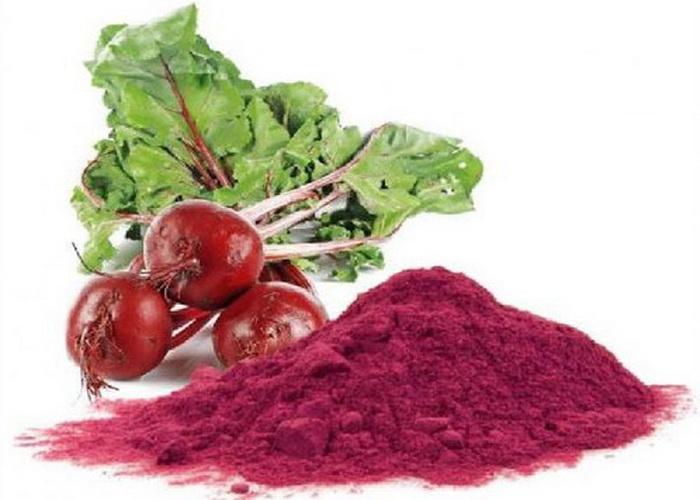
Our Beetroot Powder is a fine, deep red-purple powder made from dried beetroot. It is used by cosmetic makers as a natural colourant to give products a pink or red tint.
It works well in melt and pour soap, lip balms, bath teas, scrubs, face masks and bath bombs. As a natural plant colour it can change shade with heat, pH and light, so a little testing goes a long way.
|
Dried beetroot Deep red-purple powder |
Natural pink and red Soap, balms, bath |
Plant colourant Test for stability |
100 g to 1 kg Four pack sizes |
Safety information: for external (cosmetic) use only. Keep out of reach of children, keep away from the eyes, patch test before first use and avoid breathing in the dust. See Safety below and the Safety Data Sheet in the Product Documents section at the end of this page.
Specifications
| Specification | Detail |
|---|---|
| Product | Beetroot Powder |
| INCI (typical) | Beta Vulgaris Root Powder |
| Type | Dried plant powder, natural colourant |
| Appearance | Fine powder. Deep red-purple |
| Colour in products | Pink to red in melt and pour, lip balms and water. Turns yellowish-brown in cold process soap |
| Suitable for | Melt and pour soap, lip balms and tints, bath teas, scrubs, face masks, bath bombs, lotions and creams |
| Colour stability | Natural colour. Can fade or shift with heat, light and pH |
| Not suitable for | Internal use. Sold for cosmetic and craft use, not as a food |
| Pack Sizes | 100 g, 200 g, 500 g, 1 kg |
| Storage | Sealed, cool and dry, away from moisture and direct sunlight |
| Use | Raw material for makers. Formulation, safety assessment and labelling of finished products are the maker's responsibility |
Uses
| Use | How it is used |
|---|---|
| Melt and pour soap | A natural pink to red tint. Wet the powder in a little vegetable glycerine first so it disperses |
| Lip balms and tints | A natural pink to red tint for balms and lip products |
| Bath teas and bath blends | Colours the water pink. Use in a mesh bag |
| Scrubs and face masks | Adds colour and a plant-based texture |
| Lotions, creams and ointments | Infuse into an oil or add to tint creams |
| Bath bombs | Adds a natural pink tone |
How to Colour Melt and Pour Soap with Beetroot Powder
- Measure. Weigh a small amount of powder, and wear a dust mask. A little goes a long way.
- Wet the powder. Stir it into a few drops of vegetable glycerine until you have a smooth paste with no dry lumps.
- Stir it in. Stir the paste into your melted base until the colour is even.
- Check the colour. Add a little at a time until you reach the shade you want.
- Pour. Pour into your soap moulds and let it set. The colour may soften over time.
Using It in Soap & Cosmetics ▼
These are common maker starting points, not fixed rules. Results vary with your recipe, so always test a small batch first.
| Use | Starting amount | Notes |
|---|---|---|
| Melt and pour soap | Start with about 1/4-1/2 tsp per 500 g of base | Wet in glycerine first. Add more for a deeper tone. |
| Cold process soap | Colour turns yellowish-brown | Beetroot does not stay pink in cold process soap. Choose another colourant for pink. |
| Lip balm | A very small pinch, built up gradually | Mix into the melted oil phase and test the shade on skin. |
| Bath teas | 1-2 tsp in a muslin bag | Colours the bath water pink. Rinse the tub afterwards. |
| Scrubs and masks | Start at about 1 tsp | Mix evenly and test the colour on a small area. |
Natural plant colours are not as stable as mica or pigment. Store finished products away from direct light and heat.
Tips & Troubleshooting ▼
| Problem | Likely cause | What to try |
|---|---|---|
| Mix spoils or smells off | Plant powders grow mould in water | Mix fresh, use straight away and discard leftovers. Add a suitable preservative to anything you plan to keep. |
| Lumps or specks in a product | Powder not dispersed | Wet the powder with a little oil or glycerine first, then add it to the rest of the mix. |
| Stains skin or fabric | Natural plant pigments | Protect clothing and surfaces, and rinse skin well after use. |
| Colour changes in soap | Natural colours are sensitive to pH, heat and light | Test a small batch first, and use a skin-safe mica if you need a stable colour. |
| Pink turns brown | Beetroot colour shifts in lye | Use it in melt and pour or non-alkaline products only. |
Safety & Selling Your Products ▼
This product is a cosmetic and craft raw material for external use only and is not intended to be eaten. Keep it out of reach of children, keep it away from the eyes, and do not use it on broken or irritated skin. Fine powders can irritate the airways, so wear a dust mask when weighing or pouring. Do a patch test before first use and stop using it if irritation occurs.
Beetroot colour can stain skin, fabric and surfaces, especially when wet.
Plant powders can grow mould once they are wet. Mix water-based recipes fresh and use them straight away, discard leftovers, and add a suitable preservative to any product you plan to keep. Store the dry powder sealed in a cool, dry place away from sunlight.
Selling what you make? This is a raw material for makers. The formulation, preservation, safety assessment, labelling and any regulatory requirements for your finished cosmetics or soap (including the NZ cosmetic rules) are your responsibility, and health or treatment claims should not be made for your products. Contact us at info@purefx.co.nz if you need product information.
Frequently Asked Questions ▼
What colour does it make?
Pink to red in melt and pour soap, lip balm and water. It turns yellowish-brown in cold process soap.
Why does the pink fade?
Beetroot is a natural plant colour. Heat, light and pH can all change the shade, so store products out of direct light.
Can I use it in food?
No. We sell it as a cosmetic and craft ingredient, not as a food.
How do I stop it clumping?
Wet it with a few drops of glycerine or oil before adding it to the rest of the mix.
Can I use it in lip balm?
Yes. Mix a very small amount into your melted lip balm, and test the shade on skin.
Can I eat it or use it internally?
No. It is sold for external cosmetic use only.
Sizes & Price
| Pack | Price | Price per 100 g |
|---|---|---|
| 100 g | $11.50 | $11.50 |
| 200 g | $19.50 | $9.75 |
| 500 g | $47.00 | $9.40 |
| 1 kg | $92.00 | $9.20 |
Pairs Well With
Pair with French pink clay, kaolin clay or liquorice root powder, and add geranium essential oil or lavender essential oil. For colour, use in melt and pour soap bases or white SLS-free melt and pour base, and combine with titanium dioxide for a lighter pink. See our mica and soap additives. Browse all clays and cosmetic powders. |
 Product Documents
|
Couldn't load pickup availability
Beetroot Powder (Beta Vulgaris Root Powder)
Our Beetroot Powder is a fine, deep red-purple powder made from dried beetroot. It is used by cosmetic makers as a natural colourant to give products a pink or red tint.
It works well in melt and pour soap, lip balms, bath teas, scrubs, face masks and bath bombs. As a natural plant colour it can change shade with heat, pH and light, so a little testing goes a long way.
|
Dried beetroot Deep red-purple powder |
Natural pink and red Soap, balms, bath |
Plant colourant Test for stability |
100 g to 1 kg Four pack sizes |
Safety information: for external (cosmetic) use only. Keep out of reach of children, keep away from the eyes, patch test before first use and avoid breathing in the dust. See Safety below and the Safety Data Sheet in the Product Documents section at the end of this page.
Specifications
| Specification | Detail |
|---|---|
| Product | Beetroot Powder |
| INCI (typical) | Beta Vulgaris Root Powder |
| Type | Dried plant powder, natural colourant |
| Appearance | Fine powder. Deep red-purple |
| Colour in products | Pink to red in melt and pour, lip balms and water. Turns yellowish-brown in cold process soap |
| Suitable for | Melt and pour soap, lip balms and tints, bath teas, scrubs, face masks, bath bombs, lotions and creams |
| Colour stability | Natural colour. Can fade or shift with heat, light and pH |
| Not suitable for | Internal use. Sold for cosmetic and craft use, not as a food |
| Pack Sizes | 100 g, 200 g, 500 g, 1 kg |
| Storage | Sealed, cool and dry, away from moisture and direct sunlight |
| Use | Raw material for makers. Formulation, safety assessment and labelling of finished products are the maker's responsibility |
Uses
| Use | How it is used |
|---|---|
| Melt and pour soap | A natural pink to red tint. Wet the powder in a little vegetable glycerine first so it disperses |
| Lip balms and tints | A natural pink to red tint for balms and lip products |
| Bath teas and bath blends | Colours the water pink. Use in a mesh bag |
| Scrubs and face masks | Adds colour and a plant-based texture |
| Lotions, creams and ointments | Infuse into an oil or add to tint creams |
| Bath bombs | Adds a natural pink tone |
How to Colour Melt and Pour Soap with Beetroot Powder
- Measure. Weigh a small amount of powder, and wear a dust mask. A little goes a long way.
- Wet the powder. Stir it into a few drops of vegetable glycerine until you have a smooth paste with no dry lumps.
- Stir it in. Stir the paste into your melted base until the colour is even.
- Check the colour. Add a little at a time until you reach the shade you want.
- Pour. Pour into your soap moulds and let it set. The colour may soften over time.
Using It in Soap & Cosmetics ▼
These are common maker starting points, not fixed rules. Results vary with your recipe, so always test a small batch first.
| Use | Starting amount | Notes |
|---|---|---|
| Melt and pour soap | Start with about 1/4-1/2 tsp per 500 g of base | Wet in glycerine first. Add more for a deeper tone. |
| Cold process soap | Colour turns yellowish-brown | Beetroot does not stay pink in cold process soap. Choose another colourant for pink. |
| Lip balm | A very small pinch, built up gradually | Mix into the melted oil phase and test the shade on skin. |
| Bath teas | 1-2 tsp in a muslin bag | Colours the bath water pink. Rinse the tub afterwards. |
| Scrubs and masks | Start at about 1 tsp | Mix evenly and test the colour on a small area. |
Natural plant colours are not as stable as mica or pigment. Store finished products away from direct light and heat.
Tips & Troubleshooting ▼
| Problem | Likely cause | What to try |
|---|---|---|
| Mix spoils or smells off | Plant powders grow mould in water | Mix fresh, use straight away and discard leftovers. Add a suitable preservative to anything you plan to keep. |
| Lumps or specks in a product | Powder not dispersed | Wet the powder with a little oil or glycerine first, then add it to the rest of the mix. |
| Stains skin or fabric | Natural plant pigments | Protect clothing and surfaces, and rinse skin well after use. |
| Colour changes in soap | Natural colours are sensitive to pH, heat and light | Test a small batch first, and use a skin-safe mica if you need a stable colour. |
| Pink turns brown | Beetroot colour shifts in lye | Use it in melt and pour or non-alkaline products only. |
Safety & Selling Your Products ▼
This product is a cosmetic and craft raw material for external use only and is not intended to be eaten. Keep it out of reach of children, keep it away from the eyes, and do not use it on broken or irritated skin. Fine powders can irritate the airways, so wear a dust mask when weighing or pouring. Do a patch test before first use and stop using it if irritation occurs.
Beetroot colour can stain skin, fabric and surfaces, especially when wet.
Plant powders can grow mould once they are wet. Mix water-based recipes fresh and use them straight away, discard leftovers, and add a suitable preservative to any product you plan to keep. Store the dry powder sealed in a cool, dry place away from sunlight.
Selling what you make? This is a raw material for makers. The formulation, preservation, safety assessment, labelling and any regulatory requirements for your finished cosmetics or soap (including the NZ cosmetic rules) are your responsibility, and health or treatment claims should not be made for your products. Contact us at info@purefx.co.nz if you need product information.
Frequently Asked Questions ▼
What colour does it make?
Pink to red in melt and pour soap, lip balm and water. It turns yellowish-brown in cold process soap.
Why does the pink fade?
Beetroot is a natural plant colour. Heat, light and pH can all change the shade, so store products out of direct light.
Can I use it in food?
No. We sell it as a cosmetic and craft ingredient, not as a food.
How do I stop it clumping?
Wet it with a few drops of glycerine or oil before adding it to the rest of the mix.
Can I use it in lip balm?
Yes. Mix a very small amount into your melted lip balm, and test the shade on skin.
Can I eat it or use it internally?
No. It is sold for external cosmetic use only.
Sizes & Price
| Pack | Price | Price per 100 g |
|---|---|---|
| 100 g | $11.50 | $11.50 |
| 200 g | $19.50 | $9.75 |
| 500 g | $47.00 | $9.40 |
| 1 kg | $92.00 | $9.20 |
Pairs Well With
Pair with French pink clay, kaolin clay or liquorice root powder, and add geranium essential oil or lavender essential oil. For colour, use in melt and pour soap bases or white SLS-free melt and pour base, and combine with titanium dioxide for a lighter pink. See our mica and soap additives. Browse all clays and cosmetic powders. |
|
Product Documents
|
