
Liquorice Root Powder
Liquorice Root Powder
Liquorice Root Powder (Glycyrrhiza Glabra Root Powder)
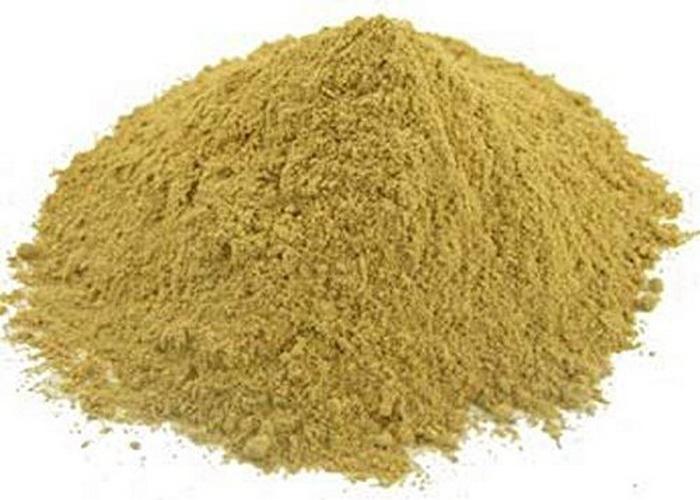
Our Liquorice Root Powder is a fine, pale yellow-tan powder milled from dried liquorice root. It is a traditional herb in skincare and is popular with makers who want a plant ingredient in creams, lotions and soap.
It has long been used in formulas aimed at a brighter-looking, more even skin tone and for sensitive-looking skin. It is also used in solid shampoo bars and scalp products.
|
Dried liquorice root Pale yellow-tan powder |
Creams, lotions, soap Plant ingredient |
Solid shampoo bars Scalp products |
100 g to 500 g Three pack sizes |
Safety information: for external (cosmetic) use only. Keep out of reach of children, keep away from the eyes, patch test before first use and avoid breathing in the dust. See Safety below and the Safety Data Sheet in the Product Documents section at the end of this page.
Specifications
| Specification | Detail |
|---|---|
| Product | Liquorice Root Powder |
| INCI (typical) | Glycyrrhiza Glabra (Licorice) Root Powder |
| Type | Dried plant powder |
| Appearance | Fine powder. Pale yellow to tan |
| Plant part | Root |
| Suitable for | Creams, lotions, soap, masks, solid shampoo bars, scrubs |
| Typical usage | About 1-3% in creams and lotions. Test your own recipe |
| Not suitable for | Internal use. Sold for cosmetic and craft use |
| Pack Sizes | 100 g, 250 g, 500 g |
| Storage | Sealed, cool and dry, away from moisture and direct sunlight |
| Related products | Oil-soluble and water-soluble liquorice root extracts are also available |
| Use | Raw material for makers. Formulation, safety assessment and labelling of finished products are the maker's responsibility |
Uses
| Use | How it is used |
|---|---|
| Creams and lotions | A plant powder for brightening-style and sensitive-skin formulas. Disperse well and test |
| Soap | Adds a warm tan tone and a plant-based ingredient. Mix to a paste first |
| Masks | Mix with clay and water or a hydrosol |
| Solid shampoo bars | A traditional herb in scalp-care bars |
| Scrubs | Adds a fine plant texture |
| Infusions | Infuse into oils for use in balms and creams |
How to Add Liquorice Root Powder to a Mask
- Mix. Stir 1 teaspoon of liquorice root powder into 1 tablespoon of a clay such as kaolin clay.
- Add liquid. Stir in water, a hydrosol or aloe vera gel until you have a smooth paste.
- Patch test. Try a small amount on the inside of your arm first.
- Apply. Spread a thin layer on clean skin, avoiding the eyes and lips. Leave for 5-10 minutes.
- Rinse. Rinse with warm water, pat dry and moisturise.
Using It in Soap & Cosmetics ▼
These are common maker starting points, not fixed rules. Results vary with your recipe, so always test a small batch first.
| Use | Starting amount | Notes |
|---|---|---|
| Creams and lotions | About 1-3% of the formula | Disperse into the oil phase or a little glycerine first. Powder will not dissolve, so expect a fine plant texture. |
| Soap | About 1 tsp per 500 g of soap oils or base | Mix to a paste first. Gives a warm tan tone. |
| Masks | About 1 tsp per mask | Mix with clay and liquid. Use fresh. |
| Solid shampoo bars | Start at about 1-2% | Test the lather and scent in a small batch. |
For a smoother product, try our liquorice root extracts instead of the powder.
Tips & Troubleshooting ▼
| Problem | Likely cause | What to try |
|---|---|---|
| Mix spoils or smells off | Plant powders grow mould in water | Mix fresh, use straight away and discard leftovers. Add a suitable preservative to anything you plan to keep. |
| Lumps or specks in a product | Powder not dispersed | Wet the powder with a little oil or glycerine first, then add it to the rest of the mix. |
| Stains skin or fabric | Natural plant pigments | Protect clothing and surfaces, and rinse skin well after use. |
Safety & Selling Your Products ▼
This product is a cosmetic and craft raw material for external use only and is not intended to be eaten. Keep it out of reach of children, keep it away from the eyes, and do not use it on broken or irritated skin. Fine powders can irritate the airways, so wear a dust mask when weighing or pouring. Do a patch test before first use and stop using it if irritation occurs.
Plant powders can grow mould once they are wet. Mix water-based recipes fresh and use them straight away, discard leftovers, and add a suitable preservative to any product you plan to keep. Store the dry powder sealed in a cool, dry place away from sunlight.
Selling what you make? This is a raw material for makers. The formulation, preservation, safety assessment, labelling and any regulatory requirements for your finished cosmetics or soap (including the NZ cosmetic rules) are your responsibility, and health or treatment claims should not be made for your products. Contact us at info@purefx.co.nz if you need product information.
Frequently Asked Questions ▼
Is liquorice root powder the same as a liquorice extract?
No. This is the ground dried root. We also stock liquorice root extracts, which are more concentrated and mix more smoothly into formulations.
What does it do in skincare?
It is a traditional herb used in formulas aimed at brighter, more even-looking skin. Results vary, and no treatment claims are made.
What colour is it?
A pale yellow to tan powder. It adds a warm tan tone to soap.
Can I use it in a lotion?
Yes. Disperse it in the oil phase or a little glycerine. Powders will not dissolve, so the product will have a fine plant texture.
Can I eat it or use it internally?
No. It is sold for external cosmetic use only.
Sizes & Price
| Pack | Price | Price per 100 g |
|---|---|---|
| 100 g | $12.00 | $12.00 |
| 250 g | $26.00 | $10.40 |
| 500 g | $48.00 | $9.60 |
Pairs Well With
Pair with kaolin clay, ashwagandha root powder or red sandalwood powder, and add lavender essential oil or Roman chamomile essential oil. Mix a mask with a hydrosol such as lavender hydrosol or aloe vera gel. See also our liquorice root extract (oil soluble) and liquorice root extract (water soluble). Browse all clays and cosmetic powders. |
 Product Documents
|
Couldn't load pickup availability
Liquorice Root Powder (Glycyrrhiza Glabra Root Powder)
Our Liquorice Root Powder is a fine, pale yellow-tan powder milled from dried liquorice root. It is a traditional herb in skincare and is popular with makers who want a plant ingredient in creams, lotions and soap.
It has long been used in formulas aimed at a brighter-looking, more even skin tone and for sensitive-looking skin. It is also used in solid shampoo bars and scalp products.
|
Dried liquorice root Pale yellow-tan powder |
Creams, lotions, soap Plant ingredient |
Solid shampoo bars Scalp products |
100 g to 500 g Three pack sizes |
Safety information: for external (cosmetic) use only. Keep out of reach of children, keep away from the eyes, patch test before first use and avoid breathing in the dust. See Safety below and the Safety Data Sheet in the Product Documents section at the end of this page.
Specifications
| Specification | Detail |
|---|---|
| Product | Liquorice Root Powder |
| INCI (typical) | Glycyrrhiza Glabra (Licorice) Root Powder |
| Type | Dried plant powder |
| Appearance | Fine powder. Pale yellow to tan |
| Plant part | Root |
| Suitable for | Creams, lotions, soap, masks, solid shampoo bars, scrubs |
| Typical usage | About 1-3% in creams and lotions. Test your own recipe |
| Not suitable for | Internal use. Sold for cosmetic and craft use |
| Pack Sizes | 100 g, 250 g, 500 g |
| Storage | Sealed, cool and dry, away from moisture and direct sunlight |
| Related products | Oil-soluble and water-soluble liquorice root extracts are also available |
| Use | Raw material for makers. Formulation, safety assessment and labelling of finished products are the maker's responsibility |
Uses
| Use | How it is used |
|---|---|
| Creams and lotions | A plant powder for brightening-style and sensitive-skin formulas. Disperse well and test |
| Soap | Adds a warm tan tone and a plant-based ingredient. Mix to a paste first |
| Masks | Mix with clay and water or a hydrosol |
| Solid shampoo bars | A traditional herb in scalp-care bars |
| Scrubs | Adds a fine plant texture |
| Infusions | Infuse into oils for use in balms and creams |
How to Add Liquorice Root Powder to a Mask
- Mix. Stir 1 teaspoon of liquorice root powder into 1 tablespoon of a clay such as kaolin clay.
- Add liquid. Stir in water, a hydrosol or aloe vera gel until you have a smooth paste.
- Patch test. Try a small amount on the inside of your arm first.
- Apply. Spread a thin layer on clean skin, avoiding the eyes and lips. Leave for 5-10 minutes.
- Rinse. Rinse with warm water, pat dry and moisturise.
Using It in Soap & Cosmetics ▼
These are common maker starting points, not fixed rules. Results vary with your recipe, so always test a small batch first.
| Use | Starting amount | Notes |
|---|---|---|
| Creams and lotions | About 1-3% of the formula | Disperse into the oil phase or a little glycerine first. Powder will not dissolve, so expect a fine plant texture. |
| Soap | About 1 tsp per 500 g of soap oils or base | Mix to a paste first. Gives a warm tan tone. |
| Masks | About 1 tsp per mask | Mix with clay and liquid. Use fresh. |
| Solid shampoo bars | Start at about 1-2% | Test the lather and scent in a small batch. |
For a smoother product, try our liquorice root extracts instead of the powder.
Tips & Troubleshooting ▼
| Problem | Likely cause | What to try |
|---|---|---|
| Mix spoils or smells off | Plant powders grow mould in water | Mix fresh, use straight away and discard leftovers. Add a suitable preservative to anything you plan to keep. |
| Lumps or specks in a product | Powder not dispersed | Wet the powder with a little oil or glycerine first, then add it to the rest of the mix. |
| Stains skin or fabric | Natural plant pigments | Protect clothing and surfaces, and rinse skin well after use. |
Safety & Selling Your Products ▼
This product is a cosmetic and craft raw material for external use only and is not intended to be eaten. Keep it out of reach of children, keep it away from the eyes, and do not use it on broken or irritated skin. Fine powders can irritate the airways, so wear a dust mask when weighing or pouring. Do a patch test before first use and stop using it if irritation occurs.
Plant powders can grow mould once they are wet. Mix water-based recipes fresh and use them straight away, discard leftovers, and add a suitable preservative to any product you plan to keep. Store the dry powder sealed in a cool, dry place away from sunlight.
Selling what you make? This is a raw material for makers. The formulation, preservation, safety assessment, labelling and any regulatory requirements for your finished cosmetics or soap (including the NZ cosmetic rules) are your responsibility, and health or treatment claims should not be made for your products. Contact us at info@purefx.co.nz if you need product information.
Frequently Asked Questions ▼
Is liquorice root powder the same as a liquorice extract?
No. This is the ground dried root. We also stock liquorice root extracts, which are more concentrated and mix more smoothly into formulations.
What does it do in skincare?
It is a traditional herb used in formulas aimed at brighter, more even-looking skin. Results vary, and no treatment claims are made.
What colour is it?
A pale yellow to tan powder. It adds a warm tan tone to soap.
Can I use it in a lotion?
Yes. Disperse it in the oil phase or a little glycerine. Powders will not dissolve, so the product will have a fine plant texture.
Can I eat it or use it internally?
No. It is sold for external cosmetic use only.
Sizes & Price
| Pack | Price | Price per 100 g |
|---|---|---|
| 100 g | $12.00 | $12.00 |
| 250 g | $26.00 | $10.40 |
| 500 g | $48.00 | $9.60 |
Pairs Well With
Pair with kaolin clay, ashwagandha root powder or red sandalwood powder, and add lavender essential oil or Roman chamomile essential oil. Mix a mask with a hydrosol such as lavender hydrosol or aloe vera gel. See also our liquorice root extract (oil soluble) and liquorice root extract (water soluble). Browse all clays and cosmetic powders. |
|
Product Documents
|
