Carnauba Wax
Carnauba Wax
Carnauba Wax (Hard Plant Wax Flakes for Balms, Polishes and Candles)
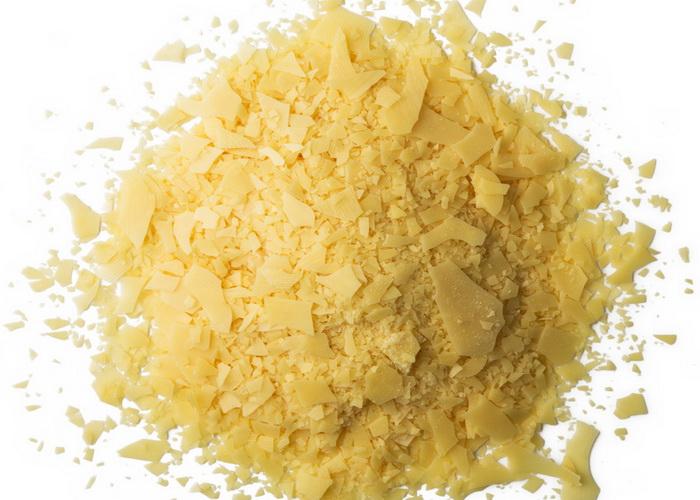
Our Carnauba Wax comes as dull yellow to light brown flakes (INCI: Copernicia Cerifera (Carnauba) Wax), taken from the leaves of the carnauba palm grown in Brazil. It is one of the hardest natural waxes, with a high melting point of about 80-86 °C.
Makers use it to add hardness, gloss, slip and heat stability to lip balms, solid perfumes, balms, polishes and candles. It is nearly insoluble in water and ethanol and blends with oils and other waxes when melted.
|
Hard plant wax Yellow to light brown flakes |
Melts at 80-86 °C High melting point |
Adds hardness and gloss Use small amounts |
250 g to 1 kg Three pack sizes |
Safety information: for external use only. Keep out of reach of children and keep away from the eyes. Melted wax is very hot and can burn. See Safety below and the Safety Data Sheet in the Product Documents section at the end of this page.
Specifications
| Specification | Detail |
|---|---|
| Product | Carnauba Wax Flakes |
| INCI | Copernicia Cerifera (Carnauba) Wax |
| CAS number | 8015-86-9 |
| Botanical source | Carnauba palm (Copernicia cerifera), leaves |
| Origin | Brazil |
| Appearance | Dull yellow to light brown flakes |
| Melting point | About 80-86 °C |
| Properties | Hard, high melting point, gives hardness, gloss and slip. Nearly insoluble in water and ethanol |
| Typical use rate | Start low, about 1-5% of a balm or solid perfume, and adjust. It is very hard |
| Suitable for | Lip balms, solid perfumes, balms, wax blends, polishes, candle blends |
| Not suitable for | Water-based products, or internal use |
| Pack Sizes | 250 g, 500 g, 1 kg |
| Storage | Tightly closed, in a cool, dry place away from heat and direct sunlight |
| Use | Raw material for makers. Formulation, safety assessment and labelling of finished products are the maker's responsibility. Not for internal use |
Uses
| Use | How it is used |
|---|---|
| Lip balms | Adds firmness, gloss and slip, and helps the stick hold its shape |
| Solid perfumes and balms | Raises the melting point and stops products going soft in warm weather |
| Wax blends | Blend with beeswax or butters to add hardness |
| Polishes | Used in wood, leather and furniture polishes for gloss |
| Candles | Used in small amounts in candle wax blends to add hardness |
| Lotion bars | Adds hardness so the bar keeps its shape |
How to Use Carnauba Wax in a Lip Balm
- Weigh. Weigh your oils, butter and waxes. As a starting point, use a small amount of carnauba (about 1-5% of the balm) with beeswax and an oil such as sweet almond oil.
- Melt the carnauba first. Carnauba melts at about 80-86 °C, so melt it first in a double boiler over gentle heat, then add the other ingredients.
- Combine. Add the beeswax, butter and oil and stir until completely melted and smooth.
- Test the texture. Dip a cold spoon in the mixture and check the firmness once it sets. Add more oil to soften or more wax to firm.
- Pour. Pour into clean, dry tubes or tins and let them set completely.
- Label. Label the products with your batch date and ingredients.
Tip: Carnauba is very hard and brittle. A little goes a long way, and too much will make a balm waxy and hard to spread.
Using It in Your Formulas ▼
These are common maker starting points, not fixed rules. Results vary with your recipe, so always test a small batch first.
| Use | Starting amount | Notes |
|---|---|---|
| Lip balms | About 1-5% | Combine with beeswax, butter and oil. |
| Solid perfumes | About 1-5% | Raises the melting point so the product holds its shape. |
| Lotion bars | About 1-5% | Add to the wax and butter blend. |
| Polishes | As set by your recipe | Melt first and blend with the oil or solvent in your recipe. |
| Candle blends | As set by your recipe | Use small amounts and test your wax blend. |
These are starting points for makers, not fixed rules. Results vary with your recipe, so test a small batch first.
Tips & Troubleshooting ▼
| Problem | Likely cause | What to try |
|---|---|---|
| Balm too hard or waxy | Too much carnauba or too little oil | Reduce the carnauba or add more liquid oil or soft butter. |
| Wax will not melt | It needs more heat than most waxes | Melt it first and give it time in a double boiler. |
| Specks in the finished product | Wax cooled too fast or was not fully melted | Heat until completely clear, then pour. |
| Cloudy or grainy balm | Wax and butter cooled unevenly | Melt completely and cool the mixture quickly. |
| Colour is yellow-brown | Natural colour of the wax | Expect a slight tint in light products. |
Safety & Selling Your Products ▼
This product is a cosmetic raw material for external use only. Do not swallow it, keep it out of reach of children and keep it away from the eyes. Melted ingredients are hot and can burn, so never heat over a direct flame and never leave them unattended. Patch test finished products before first use and stop using a product if irritation occurs.
Selling what you make? This is a raw material for makers. The formulation, preservation, safety assessment, labelling and any regulatory requirements for your finished cosmetics or soap (including the NZ cosmetic rules) are your responsibility, and health or treatment claims should not be made for your products. Carnauba is a raw material and is hard to clean off equipment, so keep dedicated tools for it. Contact us at info@purefx.co.nz if you need product information.
Frequently Asked Questions ▼
What is carnauba wax?
It is a hard plant wax taken from the leaves of the carnauba palm in Brazil.
How much do I use?
Start low. About 1-5% of a balm or solid perfume is a common starting point. Test the texture and adjust.
What does it do in a balm?
It adds hardness, gloss and slip, and raises the melting point so products hold their shape in warm weather.
What temperature does it melt at?
About 80-86 °C, which is higher than beeswax, so melt it first.
Is it the same as beeswax?
No. Carnauba is a plant wax and is much harder than beeswax.
Can I use it in a lotion?
Not in water-based lotions. It is suitable for oil and wax products such as balms, bars and polishes.
Is it for internal use?
No. We sell it as a raw material for external use only.
Sizes & Price
| Pack | Price | Price per 100 g |
|---|---|---|
| 250 g | $26.00 | $10.40 |
| 500 g | $47.00 | $9.40 |
| 1 kg | $90.00 | $9.00 |
Pairs Well With
Pair with beeswax, shea butter or cocoa butter, and add sweet almond oil. Blend with Castor Wax Flakes or kokum butter. Use with jojoba oil in lip balms. Browse our butters and waxes and lip balm containers. |
 Product Documents
|
Couldn't load pickup availability
Carnauba Wax (Hard Plant Wax Flakes for Balms, Polishes and Candles)
Our Carnauba Wax comes as dull yellow to light brown flakes (INCI: Copernicia Cerifera (Carnauba) Wax), taken from the leaves of the carnauba palm grown in Brazil. It is one of the hardest natural waxes, with a high melting point of about 80-86 °C.
Makers use it to add hardness, gloss, slip and heat stability to lip balms, solid perfumes, balms, polishes and candles. It is nearly insoluble in water and ethanol and blends with oils and other waxes when melted.
|
Hard plant wax Yellow to light brown flakes |
Melts at 80-86 °C High melting point |
Adds hardness and gloss Use small amounts |
250 g to 1 kg Three pack sizes |
Safety information: for external use only. Keep out of reach of children and keep away from the eyes. Melted wax is very hot and can burn. See Safety below and the Safety Data Sheet in the Product Documents section at the end of this page.
Specifications
| Specification | Detail |
|---|---|
| Product | Carnauba Wax Flakes |
| INCI | Copernicia Cerifera (Carnauba) Wax |
| CAS number | 8015-86-9 |
| Botanical source | Carnauba palm (Copernicia cerifera), leaves |
| Origin | Brazil |
| Appearance | Dull yellow to light brown flakes |
| Melting point | About 80-86 °C |
| Properties | Hard, high melting point, gives hardness, gloss and slip. Nearly insoluble in water and ethanol |
| Typical use rate | Start low, about 1-5% of a balm or solid perfume, and adjust. It is very hard |
| Suitable for | Lip balms, solid perfumes, balms, wax blends, polishes, candle blends |
| Not suitable for | Water-based products, or internal use |
| Pack Sizes | 250 g, 500 g, 1 kg |
| Storage | Tightly closed, in a cool, dry place away from heat and direct sunlight |
| Use | Raw material for makers. Formulation, safety assessment and labelling of finished products are the maker's responsibility. Not for internal use |
Uses
| Use | How it is used |
|---|---|
| Lip balms | Adds firmness, gloss and slip, and helps the stick hold its shape |
| Solid perfumes and balms | Raises the melting point and stops products going soft in warm weather |
| Wax blends | Blend with beeswax or butters to add hardness |
| Polishes | Used in wood, leather and furniture polishes for gloss |
| Candles | Used in small amounts in candle wax blends to add hardness |
| Lotion bars | Adds hardness so the bar keeps its shape |
How to Use Carnauba Wax in a Lip Balm
- Weigh. Weigh your oils, butter and waxes. As a starting point, use a small amount of carnauba (about 1-5% of the balm) with beeswax and an oil such as sweet almond oil.
- Melt the carnauba first. Carnauba melts at about 80-86 °C, so melt it first in a double boiler over gentle heat, then add the other ingredients.
- Combine. Add the beeswax, butter and oil and stir until completely melted and smooth.
- Test the texture. Dip a cold spoon in the mixture and check the firmness once it sets. Add more oil to soften or more wax to firm.
- Pour. Pour into clean, dry tubes or tins and let them set completely.
- Label. Label the products with your batch date and ingredients.
Tip: Carnauba is very hard and brittle. A little goes a long way, and too much will make a balm waxy and hard to spread.
Using It in Your Formulas ▼
These are common maker starting points, not fixed rules. Results vary with your recipe, so always test a small batch first.
| Use | Starting amount | Notes |
|---|---|---|
| Lip balms | About 1-5% | Combine with beeswax, butter and oil. |
| Solid perfumes | About 1-5% | Raises the melting point so the product holds its shape. |
| Lotion bars | About 1-5% | Add to the wax and butter blend. |
| Polishes | As set by your recipe | Melt first and blend with the oil or solvent in your recipe. |
| Candle blends | As set by your recipe | Use small amounts and test your wax blend. |
These are starting points for makers, not fixed rules. Results vary with your recipe, so test a small batch first.
Tips & Troubleshooting ▼
| Problem | Likely cause | What to try |
|---|---|---|
| Balm too hard or waxy | Too much carnauba or too little oil | Reduce the carnauba or add more liquid oil or soft butter. |
| Wax will not melt | It needs more heat than most waxes | Melt it first and give it time in a double boiler. |
| Specks in the finished product | Wax cooled too fast or was not fully melted | Heat until completely clear, then pour. |
| Cloudy or grainy balm | Wax and butter cooled unevenly | Melt completely and cool the mixture quickly. |
| Colour is yellow-brown | Natural colour of the wax | Expect a slight tint in light products. |
Safety & Selling Your Products ▼
This product is a cosmetic raw material for external use only. Do not swallow it, keep it out of reach of children and keep it away from the eyes. Melted ingredients are hot and can burn, so never heat over a direct flame and never leave them unattended. Patch test finished products before first use and stop using a product if irritation occurs.
Selling what you make? This is a raw material for makers. The formulation, preservation, safety assessment, labelling and any regulatory requirements for your finished cosmetics or soap (including the NZ cosmetic rules) are your responsibility, and health or treatment claims should not be made for your products. Carnauba is a raw material and is hard to clean off equipment, so keep dedicated tools for it. Contact us at info@purefx.co.nz if you need product information.
Frequently Asked Questions ▼
What is carnauba wax?
It is a hard plant wax taken from the leaves of the carnauba palm in Brazil.
How much do I use?
Start low. About 1-5% of a balm or solid perfume is a common starting point. Test the texture and adjust.
What does it do in a balm?
It adds hardness, gloss and slip, and raises the melting point so products hold their shape in warm weather.
What temperature does it melt at?
About 80-86 °C, which is higher than beeswax, so melt it first.
Is it the same as beeswax?
No. Carnauba is a plant wax and is much harder than beeswax.
Can I use it in a lotion?
Not in water-based lotions. It is suitable for oil and wax products such as balms, bars and polishes.
Is it for internal use?
No. We sell it as a raw material for external use only.
Sizes & Price
| Pack | Price | Price per 100 g |
|---|---|---|
| 250 g | $26.00 | $10.40 |
| 500 g | $47.00 | $9.40 |
| 1 kg | $90.00 | $9.00 |
Pairs Well With
Pair with beeswax, shea butter or cocoa butter, and add sweet almond oil. Blend with Castor Wax Flakes or kokum butter. Use with jojoba oil in lip balms. Browse our butters and waxes and lip balm containers. |
|
Product Documents
|