
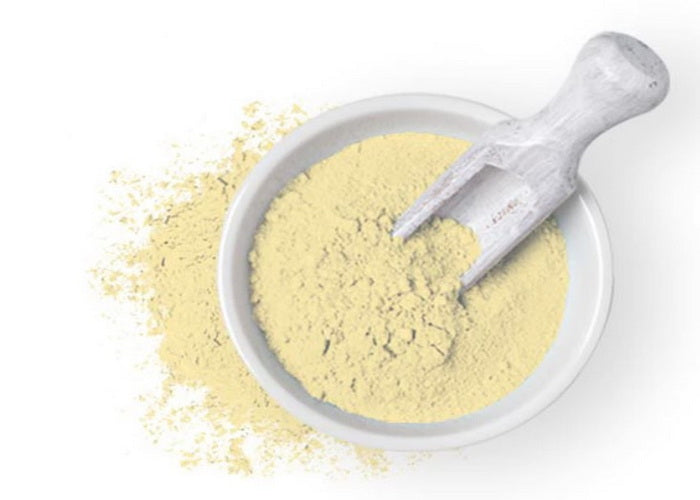
Brazilian Yellow Clay Powder
Brazilian Yellow Clay Powder
Brazilian Yellow Clay Powder (Illite, Cosmetic Clay Powder)
Our Brazilian Yellow Clay is a soft, creamy yellow clay with a fine, smooth texture. It is a gentle cosmetic clay and is suitable for many skin types in masks and cleansers.
It also makes an easy natural colourant for soap, scrubs and bath bombs, giving pale yellow to cream tones, and it can be used in hair masks.
|
Creamy yellow clay Fine, smooth texture |
Gentle cosmetic clay Masks and cleansers |
Natural colour Soap, scrubs, bath bombs |
100 g to 1 kg Four pack sizes |
Safety information: for external (cosmetic) use only. Keep out of reach of children, keep away from the eyes, patch test before first use and avoid breathing in the dust. See Safety below and the Safety Data Sheet in the Product Documents section at the end of this page.
Specifications
| Specification | Detail |
|---|---|
| Product | Brazilian Yellow Clay Powder |
| INCI (typical) | Illite |
| Type | Mineral clay powder |
| Appearance | Fine powder. Creamy yellow, colour varies by batch |
| Origin | Brazil |
| Suitable for | Face masks, cleansers, soap, bath bombs, scrubs, hair masks |
| Soap usage | About 1 tsp per 500 g of soap oils (adjust to taste) |
| Not suitable for | Internal use. Do not use on broken skin |
| Pack Sizes | 100 g, 250 g, 500 g, 1 kg |
| Storage | Sealed, cool and dry, away from sunlight. Avoid metal containers |
| Use | Raw material for makers. Formulation, safety assessment and labelling of finished products are the maker's responsibility |
Uses
| Use | How it is used |
|---|---|
| Face masks | A gentle mask clay for many skin types. Mix with water or a hydrosol |
| Cold process soap | Add about 1 teaspoon per 500 g of oils, mixed with a little oil and stirred in at trace |
| Hot process soap | Mix with a little superfat oil and add after the cook |
| Melt and pour soap | Add to the melted base for a soft yellow-cream tone |
| Bath bombs and scrubs | Adds natural colour and a smooth feel |
| Hair masks | Mix to a paste and use as a gentle hair-and-scalp clay mask |
How to Make a Simple Yellow Clay Face Mask
- Start clean. Wash and dry your face and tie your hair back. Protect your clothing, as clay can stain.
- Mix the clay. In a glass, ceramic or plastic bowl, stir 1 tablespoon of Brazilian yellow clay with 1-2 tablespoons of water or a hydrosol until you have a smooth paste. A few drops of a carrier oil such as apricot kernel oil will make it creamier. Use a wooden or plastic spoon rather than metal.
- Patch test. Try a little on the inside of your arm first and wait to see how your skin reacts.
- Apply. Spread a thin, even layer over clean skin, avoiding the eyes, lips and any broken or irritated skin.
- Leave it on. Leave for about 5-10 minutes. Rinse off while the mask is still slightly damp rather than letting it dry hard and crack.
- Rinse and moisturise. Rinse with warm water or a warm damp cloth, pat dry and follow with your usual moisturiser. Start with once a week and see how your skin feels.
Using It in Soap, Bath & Scrubs ▼
These are common maker starting points, not fixed rules. Results vary with your recipe, so always test a small batch first.
| Use | Starting amount | Notes |
|---|---|---|
| Face mask | 1 tbsp clay + 1-2 tbsp water or hydrosol | Add a few drops of carrier oil for a creamier mask. Rinse before it dries completely. |
| Body wrap or paste | 2-3 tbsp clay + water to a spreadable paste | Apply to the body and rinse off after about 10 minutes. |
| Bath | 1/4-1/2 cup per bath | Sprinkle in while the bath runs, or pre-mix into a paste. Use a mesh bag or rinse the tub well afterwards. |
| Cold process soap | About 1 tsp-1 tbsp per 500 g of soap oils | Stir into a little oil first, then add at light trace. Brazilian yellow clay tends to give soft yellow to cream tones, which vary with your recipe. |
| Melt and pour soap | About 1 tsp-1 tbsp per 500 g of base | Mix to a paste with a little vegetable glycerine first, then stir into the melted base. Too much can make a soap feel dry or dull. |
| Bath bombs | About 1 tbsp per 500 g of dry mix | Mix through the dry ingredients until the colour is even. Can stain tubs lightly. |
| Scrubs | 1-2 tbsp per cup of sugar or salt scrub base | Mix into the base with your chosen oil. |
See the cosmetic making supplies collection for oils, butters and bases to formulate with.
Tips & Troubleshooting ▼
| Problem | Likely cause | What to try |
|---|---|---|
| Clumps when mixing | Liquid poured onto dry clay | Sprinkle the clay onto the liquid instead and let it sit for a minute before stirring. |
| Mask dries hard and feels tight | Left on too long, or too little liquid | Rinse while still slightly damp, use a little more water or a few drops of carrier oil, and moisturise afterwards. |
| Skin looks red or feels sore | Sensitivity to clay or an added ingredient | Rinse with cool water. Patch test before use, keep the first sessions short, and stop if irritation continues. |
| Colour changes in soap | Clays can shift in colour in lye or with heat | Test a small batch. Mixing the clay with a little oil or glycerine first helps it blend evenly. |
| Specks or streaks in soap | Clay not fully mixed in | Mix to a smooth paste before adding, then stick-blend or stir well. |
| Mix spoils or smells off | Water-based mixes can grow mould | Mix fresh and use straight away, and discard leftovers. Add a suitable preservative to anything you plan to keep. |
| Blocked drain | Clay settling in pipes | Wipe off with a cloth where you can, use a strainer, and run plenty of water after a bath. |
Safety & Selling Your Products ▼
This product is a cosmetic raw material for external use only. Do not swallow it, keep it out of reach of children, keep it away from the eyes and do not use it on broken or irritated skin. Fine powders can irritate the airways, so wear a dust mask when weighing or pouring and avoid creating dust clouds. Do a patch test before first use and stop using it if irritation occurs.
Mix clays in glass, ceramic, plastic or wooden bowls and tools, and avoid metal. Store sealed in a cool, dry place away from moisture and direct sunlight. Do not rinse large amounts of mask, bath or scrub down the sink, as clay can settle and block drains. Wipe it off with a cloth and put it in the bin, or use a strainer.
Selling what you make? This is a raw material for makers. The formulation, preservation, safety assessment, labelling and any regulatory requirements for your finished cosmetics or soap (including the NZ cosmetic rules) are your responsibility, and health or treatment claims should not be made for your products. Contact us at info@purefx.co.nz if you need product information.
Frequently Asked Questions ▼
What colour does it make in soap?
Usually a soft yellow to cream or beige. The shade depends on your recipe, so test a small batch.
How much do I use in soap?
About 1 teaspoon per 500 g of soap oils is a good starting point. You can add more or less for the colour you want.
Can I use it in hair products?
Yes. Many makers use cosmetic clays in hair masks and solid shampoo bars. Patch test first and rinse well.
Does the colour vary?
Yes. It is a natural product, so the shade can vary slightly between batches.
Can I eat it or use it internally?
No. It is sold for external cosmetic use only.
Sizes & Price
| Pack | Price | Price per 100 g |
|---|---|---|
| 100 g | $12.00 | $12.00 |
| 250 g | $26.00 | $10.40 |
| 500 g | $45.00 | $9.00 |
| 1 kg | $90.00 | $9.00 |
Pairs Well With
Pair with kaolin clay, French red clay or French pink clay, and add lavender essential oil or Roman chamomile essential oil. For soap, use with a white SLS-free melt and pour base or clear SLS-free melt and pour base and finish with mica. Mix a mask with jojoba oil or a hydrosol. Browse all clays and cosmetic powders. |
 Product Documents
|
Couldn't load pickup availability
Brazilian Yellow Clay Powder (Illite, Cosmetic Clay Powder)
Our Brazilian Yellow Clay is a soft, creamy yellow clay with a fine, smooth texture. It is a gentle cosmetic clay and is suitable for many skin types in masks and cleansers.
It also makes an easy natural colourant for soap, scrubs and bath bombs, giving pale yellow to cream tones, and it can be used in hair masks.
|
Creamy yellow clay Fine, smooth texture |
Gentle cosmetic clay Masks and cleansers |
Natural colour Soap, scrubs, bath bombs |
100 g to 1 kg Four pack sizes |
Safety information: for external (cosmetic) use only. Keep out of reach of children, keep away from the eyes, patch test before first use and avoid breathing in the dust. See Safety below and the Safety Data Sheet in the Product Documents section at the end of this page.
Specifications
| Specification | Detail |
|---|---|
| Product | Brazilian Yellow Clay Powder |
| INCI (typical) | Illite |
| Type | Mineral clay powder |
| Appearance | Fine powder. Creamy yellow, colour varies by batch |
| Origin | Brazil |
| Suitable for | Face masks, cleansers, soap, bath bombs, scrubs, hair masks |
| Soap usage | About 1 tsp per 500 g of soap oils (adjust to taste) |
| Not suitable for | Internal use. Do not use on broken skin |
| Pack Sizes | 100 g, 250 g, 500 g, 1 kg |
| Storage | Sealed, cool and dry, away from sunlight. Avoid metal containers |
| Use | Raw material for makers. Formulation, safety assessment and labelling of finished products are the maker's responsibility |
Uses
| Use | How it is used |
|---|---|
| Face masks | A gentle mask clay for many skin types. Mix with water or a hydrosol |
| Cold process soap | Add about 1 teaspoon per 500 g of oils, mixed with a little oil and stirred in at trace |
| Hot process soap | Mix with a little superfat oil and add after the cook |
| Melt and pour soap | Add to the melted base for a soft yellow-cream tone |
| Bath bombs and scrubs | Adds natural colour and a smooth feel |
| Hair masks | Mix to a paste and use as a gentle hair-and-scalp clay mask |
How to Make a Simple Yellow Clay Face Mask
- Start clean. Wash and dry your face and tie your hair back. Protect your clothing, as clay can stain.
- Mix the clay. In a glass, ceramic or plastic bowl, stir 1 tablespoon of Brazilian yellow clay with 1-2 tablespoons of water or a hydrosol until you have a smooth paste. A few drops of a carrier oil such as apricot kernel oil will make it creamier. Use a wooden or plastic spoon rather than metal.
- Patch test. Try a little on the inside of your arm first and wait to see how your skin reacts.
- Apply. Spread a thin, even layer over clean skin, avoiding the eyes, lips and any broken or irritated skin.
- Leave it on. Leave for about 5-10 minutes. Rinse off while the mask is still slightly damp rather than letting it dry hard and crack.
- Rinse and moisturise. Rinse with warm water or a warm damp cloth, pat dry and follow with your usual moisturiser. Start with once a week and see how your skin feels.
Using It in Soap, Bath & Scrubs ▼
These are common maker starting points, not fixed rules. Results vary with your recipe, so always test a small batch first.
| Use | Starting amount | Notes |
|---|---|---|
| Face mask | 1 tbsp clay + 1-2 tbsp water or hydrosol | Add a few drops of carrier oil for a creamier mask. Rinse before it dries completely. |
| Body wrap or paste | 2-3 tbsp clay + water to a spreadable paste | Apply to the body and rinse off after about 10 minutes. |
| Bath | 1/4-1/2 cup per bath | Sprinkle in while the bath runs, or pre-mix into a paste. Use a mesh bag or rinse the tub well afterwards. |
| Cold process soap | About 1 tsp-1 tbsp per 500 g of soap oils | Stir into a little oil first, then add at light trace. Brazilian yellow clay tends to give soft yellow to cream tones, which vary with your recipe. |
| Melt and pour soap | About 1 tsp-1 tbsp per 500 g of base | Mix to a paste with a little vegetable glycerine first, then stir into the melted base. Too much can make a soap feel dry or dull. |
| Bath bombs | About 1 tbsp per 500 g of dry mix | Mix through the dry ingredients until the colour is even. Can stain tubs lightly. |
| Scrubs | 1-2 tbsp per cup of sugar or salt scrub base | Mix into the base with your chosen oil. |
See the cosmetic making supplies collection for oils, butters and bases to formulate with.
Tips & Troubleshooting ▼
| Problem | Likely cause | What to try |
|---|---|---|
| Clumps when mixing | Liquid poured onto dry clay | Sprinkle the clay onto the liquid instead and let it sit for a minute before stirring. |
| Mask dries hard and feels tight | Left on too long, or too little liquid | Rinse while still slightly damp, use a little more water or a few drops of carrier oil, and moisturise afterwards. |
| Skin looks red or feels sore | Sensitivity to clay or an added ingredient | Rinse with cool water. Patch test before use, keep the first sessions short, and stop if irritation continues. |
| Colour changes in soap | Clays can shift in colour in lye or with heat | Test a small batch. Mixing the clay with a little oil or glycerine first helps it blend evenly. |
| Specks or streaks in soap | Clay not fully mixed in | Mix to a smooth paste before adding, then stick-blend or stir well. |
| Mix spoils or smells off | Water-based mixes can grow mould | Mix fresh and use straight away, and discard leftovers. Add a suitable preservative to anything you plan to keep. |
| Blocked drain | Clay settling in pipes | Wipe off with a cloth where you can, use a strainer, and run plenty of water after a bath. |
Safety & Selling Your Products ▼
This product is a cosmetic raw material for external use only. Do not swallow it, keep it out of reach of children, keep it away from the eyes and do not use it on broken or irritated skin. Fine powders can irritate the airways, so wear a dust mask when weighing or pouring and avoid creating dust clouds. Do a patch test before first use and stop using it if irritation occurs.
Mix clays in glass, ceramic, plastic or wooden bowls and tools, and avoid metal. Store sealed in a cool, dry place away from moisture and direct sunlight. Do not rinse large amounts of mask, bath or scrub down the sink, as clay can settle and block drains. Wipe it off with a cloth and put it in the bin, or use a strainer.
Selling what you make? This is a raw material for makers. The formulation, preservation, safety assessment, labelling and any regulatory requirements for your finished cosmetics or soap (including the NZ cosmetic rules) are your responsibility, and health or treatment claims should not be made for your products. Contact us at info@purefx.co.nz if you need product information.
Frequently Asked Questions ▼
What colour does it make in soap?
Usually a soft yellow to cream or beige. The shade depends on your recipe, so test a small batch.
How much do I use in soap?
About 1 teaspoon per 500 g of soap oils is a good starting point. You can add more or less for the colour you want.
Can I use it in hair products?
Yes. Many makers use cosmetic clays in hair masks and solid shampoo bars. Patch test first and rinse well.
Does the colour vary?
Yes. It is a natural product, so the shade can vary slightly between batches.
Can I eat it or use it internally?
No. It is sold for external cosmetic use only.
Sizes & Price
| Pack | Price | Price per 100 g |
|---|---|---|
| 100 g | $12.00 | $12.00 |
| 250 g | $26.00 | $10.40 |
| 500 g | $45.00 | $9.00 |
| 1 kg | $90.00 | $9.00 |
Pairs Well With
Pair with kaolin clay, French red clay or French pink clay, and add lavender essential oil or Roman chamomile essential oil. For soap, use with a white SLS-free melt and pour base or clear SLS-free melt and pour base and finish with mica. Mix a mask with jojoba oil or a hydrosol. Browse all clays and cosmetic powders. |
|
Product Documents
|
