
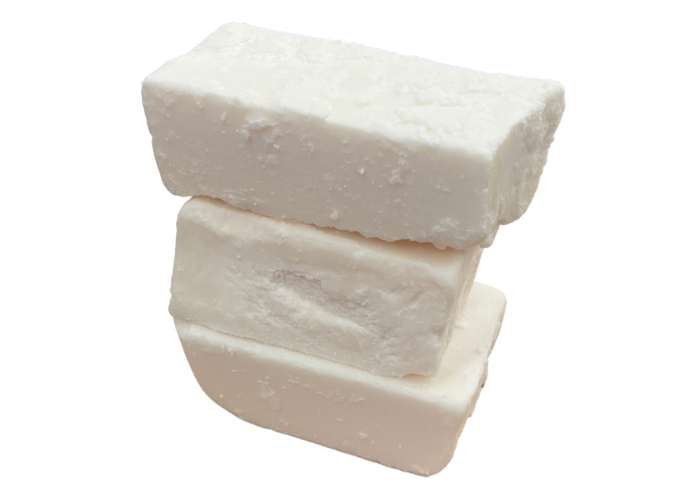
Tallow - Premium Cosmetic Grade
Tallow - Premium Cosmetic Grade
Tallow - Premium Cosmetic Grade (Refined Beef Tallow from New Zealand Grass-Fed Cattle)
Our cosmetic grade tallow is refined beef tallow (INCI: Tallow) made from 100% beef suet from New Zealand grass-fed cattle. It is salt water and dry rendered and refined to a creamy white solid with a low odour and a melting point above 40 °C.
Makers use it in balms, lotion bars, body butters, creams and cold process soap. It is packed in vacuum sealed bags.
|
Beef tallow NZ grass-fed, from suet |
Melts above 40 °C Solid at room temperature |
Low odour Creamy white |
100 g to 1 kg Four pack sizes |
Safety information: for external (cosmetic) use only. Keep out of reach of children and keep away from the eyes. Melted tallow is hot and can burn. Not suitable for vegans. See Safety below and the Safety Data Sheet in the Product Documents section at the end of this page.
Specifications
| Specification | Detail |
|---|---|
| Product | Tallow - Premium Cosmetic Grade |
| INCI | Tallow |
| CAS numbers | 61789-97-7, 129521-65-9 |
| Ingredients | NZ grass-fed beef tallow from 100% beef suet fat |
| Process | Salt water and dry rendered, then refined |
| Appearance | Creamy white at room temperature, light amber when melted |
| Odour | Low, characteristic of tallow, free from rancid odours |
| Melting point | Above 40 °C |
| Smoke point | Above 230 °C |
| Moisture | Less than 0.1% |
| Free fatty acid (as oleic acid) | Less than 0.5% |
| Peroxide value | 1.0 mEq/kg maximum |
| Microbiological | Negative for aerobic plate count, E. coli, Salmonella, Staph. aureus, mould and yeast, and coliforms |
| Typical fatty acids | Saturated about 50-65% (palmitic 20-30%, stearic 30-35%, myristic 3-7%), monounsaturated about 20-38% (vaccenic 20-30%, oleic 4-8%, palmitoleic 0.5-3%), polyunsaturated about 1-6% (linoleic 0.5-3%, alpha-linolenic 0.5-3%) |
| Solubility | Insoluble in water; oil soluble |
| Shelf life | 365 days when stored as directed |
| Typical use rate | Up to 100%, depending on the application |
| Suitable for | Balms, lotion bars, body butters, creams, cold process soap, massage bars |
| Not suitable for | Vegan products, or internal use |
| Vegan | No (animal derived) |
| Palm oil free | Yes |
| Pack Sizes | 100 g, 250 g, 500 g, 1 kg (vacuum sealed bags) |
| Storage | Tightly closed, in a cool, dry, well-ventilated place away from extreme heat |
| Use | Raw material for makers. Formulation, safety assessment and labelling of finished products are the maker's responsibility. Not for internal use |
Uses
| Use | How it is used |
|---|---|
| Balms and salves | Melt with oils and wax for a firm, rich balm |
| Lotion bars and massage bars | Combine with wax and oil for a solid bar that melts on warm skin |
| Body butters | Whip with a softer butter and a liquid oil |
| Creams | Use in the oil phase of an emulsified recipe |
| Cold process soap | Add to the soap oils for a hard, creamy bar |
| Hair and beard balms | Blend with oils and wax for a rich balm |
How to Make a Simple Tallow Balm
- Weigh. Weigh your tallow, a liquid oil such as sweet almond oil, and beeswax. A simple starting point is about 2 parts tallow to 1 part oil, plus a little beeswax to firm it.
- Melt. Melt everything together gently in a double boiler over low heat. Never heat over a direct flame or leave it unattended.
- Mix. Stir until completely melted and smooth. Remove from the heat.
- Add extras. Add vitamin E oil or an essential oil once the mixture has cooled a little.
- Pour. Pour into clean, dry jars or tins and let them set undisturbed.
- Label. Label the products with your batch date and ingredients, and store in a cool place.
Tip: Tallow is solid at room temperature and melts above 40 °C. A whipped tallow balm is lighter if you whip it as it cools.
Using It in Your Formulas ▼
These are common maker starting points, not fixed rules. Results vary with your recipe, so always test a small batch first.
| Use | Starting amount | Notes |
|---|---|---|
| Balms and salves | Up to 100% | Blend with oil and wax for the firmness you want. |
| Lotion and massage bars | About 20-50% | Combine with wax and a liquid oil. |
| Body butters | About 30-100% | Whip with a softer butter or liquid oil. |
| Creams | About 3-10% | Use in the oil phase of an emulsified recipe. |
| Cold process soap | A common starting point is about 20-40% of the oils | Use a lye calculator for your recipe. |
These are starting points for makers, not fixed rules. Results vary with your recipe, so test a small batch first.
Tips & Troubleshooting ▼
| Problem | Likely cause | What to try |
|---|---|---|
| Grainy texture | The tallow cooled slowly and crystallised | Melt fully, then cool quickly while stirring, then whip. |
| Product too hard | Too much tallow or wax | Add more liquid oil or reduce the tallow or wax. |
| Product too soft | Too much liquid oil | Add more tallow or a little beeswax. |
| Smell changes over time | Fats can go rancid if stored warm or open | Store in a cool place in a sealed container and use clean, dry tools. |
| Soap is soft | Too little tallow or incorrect lye amount | Check your recipe in a lye calculator and give the soap a longer cure. |
| Product melts in warm rooms | Tallow melts above 40 °C | Add beeswax or a harder butter for a firmer product. |
Safety & Selling Your Products ▼
This product is a cosmetic raw material for external use only. Do not swallow it, keep it out of reach of children and keep it away from the eyes. Melted ingredients are hot and can burn, so never heat over a direct flame and never leave them unattended. Patch test finished products before first use and stop using a product if irritation occurs.
Tallow is an animal-derived ingredient and is not suitable for vegan products. We do not list halal certification for this tallow, so please ask us if you need to confirm.
Selling what you make? This is a raw material for makers. The formulation, preservation, safety assessment, labelling and any regulatory requirements for your finished cosmetics or soap (including the NZ cosmetic rules) are your responsibility, and health or treatment claims should not be made for your products. Keep records of the ingredients you use so you can label your products correctly. Contact us at info@purefx.co.nz if you need product information.
Frequently Asked Questions ▼
What is cosmetic grade tallow?
It is refined beef tallow from beef suet, rendered and refined for use in skincare and soap making.
Where does it come from?
It is made from 100% beef suet from New Zealand grass-fed cattle.
How is it made?
It is salt water and dry rendered, then refined to a creamy white solid with a low odour.
How much should I use?
Up to 100%, depending on the product. In cold process soap, a common starting point is about 20-40% of the oils.
What does it smell like?
It has a low odour that is characteristic of tallow. It should be free of any rancid smell.
What is the shelf life?
365 days when stored in a cool, dry place.
Is it vegan?
No. It is an animal-derived ingredient.
Is it halal?
We do not list halal certification for this tallow. Please ask us if you need to confirm.
Is it for internal use?
No. We sell it as a cosmetic raw material for external use only.
Sizes & Price
| Pack | Price | Price per 100 g |
|---|---|---|
| 100 g | $11.00 | $11.00 |
| 250 g | $17.60 | $7.04 |
| 500 g | $30.80 | $6.16 |
| 1 kg | $57.80 | $5.78 |
Pairs Well With
Pair with sweet almond oil, apricot kernel oil or avocado oil, and add vitamin E oil. Blend with shea butter, mango butter or cocoa butter for a softer balm, and with beeswax to firm it. Use in soap with soap additives. Browse our butters and waxes. |
 Product Documents
|
Couldn't load pickup availability
Tallow - Premium Cosmetic Grade (Refined Beef Tallow from New Zealand Grass-Fed Cattle)
Our cosmetic grade tallow is refined beef tallow (INCI: Tallow) made from 100% beef suet from New Zealand grass-fed cattle. It is salt water and dry rendered and refined to a creamy white solid with a low odour and a melting point above 40 °C.
Makers use it in balms, lotion bars, body butters, creams and cold process soap. It is packed in vacuum sealed bags.
|
Beef tallow NZ grass-fed, from suet |
Melts above 40 °C Solid at room temperature |
Low odour Creamy white |
100 g to 1 kg Four pack sizes |
Safety information: for external (cosmetic) use only. Keep out of reach of children and keep away from the eyes. Melted tallow is hot and can burn. Not suitable for vegans. See Safety below and the Safety Data Sheet in the Product Documents section at the end of this page.
Specifications
| Specification | Detail |
|---|---|
| Product | Tallow - Premium Cosmetic Grade |
| INCI | Tallow |
| CAS numbers | 61789-97-7, 129521-65-9 |
| Ingredients | NZ grass-fed beef tallow from 100% beef suet fat |
| Process | Salt water and dry rendered, then refined |
| Appearance | Creamy white at room temperature, light amber when melted |
| Odour | Low, characteristic of tallow, free from rancid odours |
| Melting point | Above 40 °C |
| Smoke point | Above 230 °C |
| Moisture | Less than 0.1% |
| Free fatty acid (as oleic acid) | Less than 0.5% |
| Peroxide value | 1.0 mEq/kg maximum |
| Microbiological | Negative for aerobic plate count, E. coli, Salmonella, Staph. aureus, mould and yeast, and coliforms |
| Typical fatty acids | Saturated about 50-65% (palmitic 20-30%, stearic 30-35%, myristic 3-7%), monounsaturated about 20-38% (vaccenic 20-30%, oleic 4-8%, palmitoleic 0.5-3%), polyunsaturated about 1-6% (linoleic 0.5-3%, alpha-linolenic 0.5-3%) |
| Solubility | Insoluble in water; oil soluble |
| Shelf life | 365 days when stored as directed |
| Typical use rate | Up to 100%, depending on the application |
| Suitable for | Balms, lotion bars, body butters, creams, cold process soap, massage bars |
| Not suitable for | Vegan products, or internal use |
| Vegan | No (animal derived) |
| Palm oil free | Yes |
| Pack Sizes | 100 g, 250 g, 500 g, 1 kg (vacuum sealed bags) |
| Storage | Tightly closed, in a cool, dry, well-ventilated place away from extreme heat |
| Use | Raw material for makers. Formulation, safety assessment and labelling of finished products are the maker's responsibility. Not for internal use |
Uses
| Use | How it is used |
|---|---|
| Balms and salves | Melt with oils and wax for a firm, rich balm |
| Lotion bars and massage bars | Combine with wax and oil for a solid bar that melts on warm skin |
| Body butters | Whip with a softer butter and a liquid oil |
| Creams | Use in the oil phase of an emulsified recipe |
| Cold process soap | Add to the soap oils for a hard, creamy bar |
| Hair and beard balms | Blend with oils and wax for a rich balm |
How to Make a Simple Tallow Balm
- Weigh. Weigh your tallow, a liquid oil such as sweet almond oil, and beeswax. A simple starting point is about 2 parts tallow to 1 part oil, plus a little beeswax to firm it.
- Melt. Melt everything together gently in a double boiler over low heat. Never heat over a direct flame or leave it unattended.
- Mix. Stir until completely melted and smooth. Remove from the heat.
- Add extras. Add vitamin E oil or an essential oil once the mixture has cooled a little.
- Pour. Pour into clean, dry jars or tins and let them set undisturbed.
- Label. Label the products with your batch date and ingredients, and store in a cool place.
Tip: Tallow is solid at room temperature and melts above 40 °C. A whipped tallow balm is lighter if you whip it as it cools.
Using It in Your Formulas ▼
These are common maker starting points, not fixed rules. Results vary with your recipe, so always test a small batch first.
| Use | Starting amount | Notes |
|---|---|---|
| Balms and salves | Up to 100% | Blend with oil and wax for the firmness you want. |
| Lotion and massage bars | About 20-50% | Combine with wax and a liquid oil. |
| Body butters | About 30-100% | Whip with a softer butter or liquid oil. |
| Creams | About 3-10% | Use in the oil phase of an emulsified recipe. |
| Cold process soap | A common starting point is about 20-40% of the oils | Use a lye calculator for your recipe. |
These are starting points for makers, not fixed rules. Results vary with your recipe, so test a small batch first.
Tips & Troubleshooting ▼
| Problem | Likely cause | What to try |
|---|---|---|
| Grainy texture | The tallow cooled slowly and crystallised | Melt fully, then cool quickly while stirring, then whip. |
| Product too hard | Too much tallow or wax | Add more liquid oil or reduce the tallow or wax. |
| Product too soft | Too much liquid oil | Add more tallow or a little beeswax. |
| Smell changes over time | Fats can go rancid if stored warm or open | Store in a cool place in a sealed container and use clean, dry tools. |
| Soap is soft | Too little tallow or incorrect lye amount | Check your recipe in a lye calculator and give the soap a longer cure. |
| Product melts in warm rooms | Tallow melts above 40 °C | Add beeswax or a harder butter for a firmer product. |
Safety & Selling Your Products ▼
This product is a cosmetic raw material for external use only. Do not swallow it, keep it out of reach of children and keep it away from the eyes. Melted ingredients are hot and can burn, so never heat over a direct flame and never leave them unattended. Patch test finished products before first use and stop using a product if irritation occurs.
Tallow is an animal-derived ingredient and is not suitable for vegan products. We do not list halal certification for this tallow, so please ask us if you need to confirm.
Selling what you make? This is a raw material for makers. The formulation, preservation, safety assessment, labelling and any regulatory requirements for your finished cosmetics or soap (including the NZ cosmetic rules) are your responsibility, and health or treatment claims should not be made for your products. Keep records of the ingredients you use so you can label your products correctly. Contact us at info@purefx.co.nz if you need product information.
Frequently Asked Questions ▼
What is cosmetic grade tallow?
It is refined beef tallow from beef suet, rendered and refined for use in skincare and soap making.
Where does it come from?
It is made from 100% beef suet from New Zealand grass-fed cattle.
How is it made?
It is salt water and dry rendered, then refined to a creamy white solid with a low odour.
How much should I use?
Up to 100%, depending on the product. In cold process soap, a common starting point is about 20-40% of the oils.
What does it smell like?
It has a low odour that is characteristic of tallow. It should be free of any rancid smell.
What is the shelf life?
365 days when stored in a cool, dry place.
Is it vegan?
No. It is an animal-derived ingredient.
Is it halal?
We do not list halal certification for this tallow. Please ask us if you need to confirm.
Is it for internal use?
No. We sell it as a cosmetic raw material for external use only.
Sizes & Price
| Pack | Price | Price per 100 g |
|---|---|---|
| 100 g | $11.00 | $11.00 |
| 250 g | $17.60 | $7.04 |
| 500 g | $30.80 | $6.16 |
| 1 kg | $57.80 | $5.78 |
Pairs Well With
Pair with sweet almond oil, apricot kernel oil or avocado oil, and add vitamin E oil. Blend with shea butter, mango butter or cocoa butter for a softer balm, and with beeswax to firm it. Use in soap with soap additives. Browse our butters and waxes. |
|
Product Documents
|
