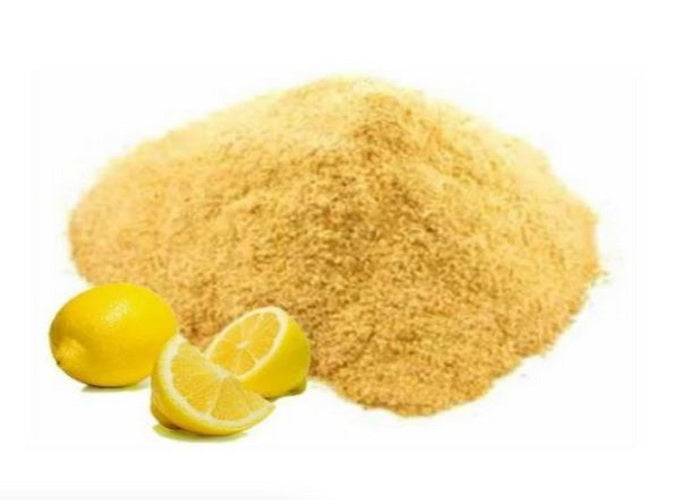
Lemon Peel Powder
Lemon Peel Powder
Lemon Peel Powder (Natural Citrus Peel Exfoliant for Scrubs, Soap and Bath)
Our Lemon Peel Powder is made from dried, ground lemon peel (INCI: Citrus Limon (Lemon) Peel Powder). It is a gentle natural exfoliant that adds colour and texture to finished products.
Makers use it in natural bath teas, soap, bath bombs, facial masks, shampoo and conditioner, and sugar and salt scrubs. It can also be infused into lotion, cream and ointment recipes.
|
Ground lemon peel Gentle natural exfoliant |
Scrubs, soap, bath Colour and texture |
Use at 1-5% Test your recipe |
100 g to 200 g Two pack sizes |
Safety information: for external (cosmetic) use only. Keep out of reach of children, keep away from the eyes, patch test before first use and avoid breathing in the dust. See Safety below and the Safety Data Sheet in the Product Documents section at the end of this page.
Specifications
| Specification | Detail |
|---|---|
| Product | Lemon Peel Powder |
| INCI (typical) | Citrus Limon (Lemon) Peel Powder |
| Type | Dried, ground citrus peel |
| Appearance | Fine plant powder, pale yellow to tan. Colour varies |
| Solubility | Insoluble |
| Typical use rate | About 1-5%, depending on the product. Test your own recipe |
| Suitable for | Scrubs, soap, bath bombs, bath teas, facial masks, shampoos, conditioners |
| Not suitable for | Broken or irritated skin, internal use. Sold for cosmetic and craft use, not as a food |
| Vegan | Yes (plant material) |
| Pack Sizes | 100 g, 200 g |
| Storage | Sealed, cool and dry, away from moisture and direct sunlight |
| Use | Raw material for makers. Formulation, safety assessment and labelling of finished products are the maker's responsibility |
Uses
| Use | How it is used |
|---|---|
| Sugar and salt scrubs | Adds a gentle scrub, colour and texture |
| Soap | Gives speckles and a mild scrub. Mix to a paste with oil first |
| Bath bombs and bath teas | Add to blends. Use a mesh bag in baths |
| Facial masks | Mix with clay, honey or yoghurt. Use fresh |
| Shampoo and conditioner | Add a small amount for texture. Test the recipe |
| Infused oils and creams | Can be infused into lotion, cream and ointment recipes |
How to Make a Simple Lemon Peel Scrub
- Mix. In a bowl, stir 1 tablespoon of lemon peel powder into 3 tablespoons of sugar and 3 tablespoons of a carrier oil such as sweet almond oil.
- Scent. Add a few drops of a suitable essential oil if you like, keeping to safe levels.
- Patch test. Try a small amount on the inside of your arm first.
- Massage. Massage gently over damp skin using small circles, avoiding the eyes and any broken skin.
- Rinse. Rinse with warm water, pat dry and moisturise. Make fresh and use it straight away.
Tip: In cold process soap, mix the powder with a little of the oil or soap at trace first, then add it to the main batch. This avoids clumping.
Using It in Soap, Scrubs & Bath ▼
These are common maker starting points, not fixed rules. Results vary with your recipe, so always test a small batch first.
| Use | Starting amount | Notes |
|---|---|---|
| Sugar or salt scrub | 1 tbsp per 3 tbsp sugar or salt | Mix with oil. Make fresh or add a suitable preservative. |
| Cold process soap | About 1-2 tsp per 500 g of soap oils | Mix with a little oil or soap at trace first, then add to the batch. |
| Melt and pour soap | About 1 tsp per 500 g of base | Stir in just before pouring so it does not all sink. |
| Bath bombs and bath teas | As set by your recipe | Use a mesh bag in baths. |
| Facial masks | 1 tsp mixed with clay and liquid | Use fresh. |
Natural colour can fade or change in soap and with oils. Test a small batch.
Tips & Troubleshooting ▼
| Problem | Likely cause | What to try |
|---|---|---|
| Mix spoils or smells off | Plant powders grow mould in water | Mix fresh, use straight away and discard leftovers. Add a suitable preservative to anything you plan to keep. |
| Lumps or specks in a product | Powder not dispersed | Wet the powder with a little oil or glycerine first, then add it to the rest of the mix. |
| Stains skin or fabric | Natural plant pigments | Protect clothing and surfaces, and rinse skin well after use. |
| Colour changes in soap | Natural colours are sensitive to pH, heat and light | Test a small batch first, and use a skin-safe mica if you need a stable colour. |
| Powder clumps in cold process soap | Dry powder added in one lump | Mix with a little oil or soap at trace first, then add to the main batch. |
| Colour fades or turns brown | Plant colours react to pH, heat and light | Test a small batch first. Use a skin-safe mica if you need a stable colour. |
Safety & Selling Your Products ▼
This product is a cosmetic and craft raw material for external use only and is not intended to be eaten. Keep it out of reach of children, keep it away from the eyes, and do not use it on broken or irritated skin. Fine powders can irritate the airways, so wear a dust mask when weighing or pouring. Do a patch test before first use and stop using it if irritation occurs.
Citrus peel powder is a plant powder and can stain fabric and surfaces. Keep scrub residue out of drains.
Plant powders can grow mould once they are wet. Mix water-based recipes fresh and use them straight away, discard leftovers, and add a suitable preservative to any product you plan to keep. Store the dry powder sealed in a cool, dry place away from sunlight.
Selling what you make? This is a raw material for makers. The formulation, preservation, safety assessment, labelling and any regulatory requirements for your finished cosmetics or soap (including the NZ cosmetic rules) are your responsibility, and health or treatment claims should not be made for your products. Contact us at info@purefx.co.nz if you need product information.
Frequently Asked Questions ▼
What is lemon peel powder?
It is dried lemon peel ground to a fine powder. Makers use it as a gentle exfoliant and for natural colour and texture.
How much do I use?
About 1-5% depending on the product. Start small and increase gradually. Always test.
Does it dissolve?
No. It is insoluble and stays as fine particles.
Will the colour last in soap?
Natural plant colours can fade or change. Test a small batch.
Will it keep in a scrub?
Water-containing mixes can grow mould. Make fresh, or use a suitable preservative.
Is it vegan?
Yes. It is made from plant material.
Can I eat it or use it internally?
No. It is sold for external cosmetic use only.
Sizes & Price
| Pack | Price | Price per 100 g |
|---|---|---|
| 100 g | $16.00 | $16.00 |
| 200 g | $30.00 | $15.00 |
Pairs Well With
Pair with kaolin clay, Dead Sea mud or activated charcoal, and add lavender essential oil or tea tree essential oil. Mix a scrub with sweet almond oil or shea butter, and use in soap with a white SLS-free melt and pour base. Blend with orange peel powder for a citrus duo. See our exfoliators. Browse soap additives. |
 Product Documents
|
Couldn't load pickup availability
Lemon Peel Powder (Natural Citrus Peel Exfoliant for Scrubs, Soap and Bath)
Our Lemon Peel Powder is made from dried, ground lemon peel (INCI: Citrus Limon (Lemon) Peel Powder). It is a gentle natural exfoliant that adds colour and texture to finished products.
Makers use it in natural bath teas, soap, bath bombs, facial masks, shampoo and conditioner, and sugar and salt scrubs. It can also be infused into lotion, cream and ointment recipes.
|
Ground lemon peel Gentle natural exfoliant |
Scrubs, soap, bath Colour and texture |
Use at 1-5% Test your recipe |
100 g to 200 g Two pack sizes |
Safety information: for external (cosmetic) use only. Keep out of reach of children, keep away from the eyes, patch test before first use and avoid breathing in the dust. See Safety below and the Safety Data Sheet in the Product Documents section at the end of this page.
Specifications
| Specification | Detail |
|---|---|
| Product | Lemon Peel Powder |
| INCI (typical) | Citrus Limon (Lemon) Peel Powder |
| Type | Dried, ground citrus peel |
| Appearance | Fine plant powder, pale yellow to tan. Colour varies |
| Solubility | Insoluble |
| Typical use rate | About 1-5%, depending on the product. Test your own recipe |
| Suitable for | Scrubs, soap, bath bombs, bath teas, facial masks, shampoos, conditioners |
| Not suitable for | Broken or irritated skin, internal use. Sold for cosmetic and craft use, not as a food |
| Vegan | Yes (plant material) |
| Pack Sizes | 100 g, 200 g |
| Storage | Sealed, cool and dry, away from moisture and direct sunlight |
| Use | Raw material for makers. Formulation, safety assessment and labelling of finished products are the maker's responsibility |
Uses
| Use | How it is used |
|---|---|
| Sugar and salt scrubs | Adds a gentle scrub, colour and texture |
| Soap | Gives speckles and a mild scrub. Mix to a paste with oil first |
| Bath bombs and bath teas | Add to blends. Use a mesh bag in baths |
| Facial masks | Mix with clay, honey or yoghurt. Use fresh |
| Shampoo and conditioner | Add a small amount for texture. Test the recipe |
| Infused oils and creams | Can be infused into lotion, cream and ointment recipes |
How to Make a Simple Lemon Peel Scrub
- Mix. In a bowl, stir 1 tablespoon of lemon peel powder into 3 tablespoons of sugar and 3 tablespoons of a carrier oil such as sweet almond oil.
- Scent. Add a few drops of a suitable essential oil if you like, keeping to safe levels.
- Patch test. Try a small amount on the inside of your arm first.
- Massage. Massage gently over damp skin using small circles, avoiding the eyes and any broken skin.
- Rinse. Rinse with warm water, pat dry and moisturise. Make fresh and use it straight away.
Tip: In cold process soap, mix the powder with a little of the oil or soap at trace first, then add it to the main batch. This avoids clumping.
Using It in Soap, Scrubs & Bath ▼
These are common maker starting points, not fixed rules. Results vary with your recipe, so always test a small batch first.
| Use | Starting amount | Notes |
|---|---|---|
| Sugar or salt scrub | 1 tbsp per 3 tbsp sugar or salt | Mix with oil. Make fresh or add a suitable preservative. |
| Cold process soap | About 1-2 tsp per 500 g of soap oils | Mix with a little oil or soap at trace first, then add to the batch. |
| Melt and pour soap | About 1 tsp per 500 g of base | Stir in just before pouring so it does not all sink. |
| Bath bombs and bath teas | As set by your recipe | Use a mesh bag in baths. |
| Facial masks | 1 tsp mixed with clay and liquid | Use fresh. |
Natural colour can fade or change in soap and with oils. Test a small batch.
Tips & Troubleshooting ▼
| Problem | Likely cause | What to try |
|---|---|---|
| Mix spoils or smells off | Plant powders grow mould in water | Mix fresh, use straight away and discard leftovers. Add a suitable preservative to anything you plan to keep. |
| Lumps or specks in a product | Powder not dispersed | Wet the powder with a little oil or glycerine first, then add it to the rest of the mix. |
| Stains skin or fabric | Natural plant pigments | Protect clothing and surfaces, and rinse skin well after use. |
| Colour changes in soap | Natural colours are sensitive to pH, heat and light | Test a small batch first, and use a skin-safe mica if you need a stable colour. |
| Powder clumps in cold process soap | Dry powder added in one lump | Mix with a little oil or soap at trace first, then add to the main batch. |
| Colour fades or turns brown | Plant colours react to pH, heat and light | Test a small batch first. Use a skin-safe mica if you need a stable colour. |
Safety & Selling Your Products ▼
This product is a cosmetic and craft raw material for external use only and is not intended to be eaten. Keep it out of reach of children, keep it away from the eyes, and do not use it on broken or irritated skin. Fine powders can irritate the airways, so wear a dust mask when weighing or pouring. Do a patch test before first use and stop using it if irritation occurs.
Citrus peel powder is a plant powder and can stain fabric and surfaces. Keep scrub residue out of drains.
Plant powders can grow mould once they are wet. Mix water-based recipes fresh and use them straight away, discard leftovers, and add a suitable preservative to any product you plan to keep. Store the dry powder sealed in a cool, dry place away from sunlight.
Selling what you make? This is a raw material for makers. The formulation, preservation, safety assessment, labelling and any regulatory requirements for your finished cosmetics or soap (including the NZ cosmetic rules) are your responsibility, and health or treatment claims should not be made for your products. Contact us at info@purefx.co.nz if you need product information.
Frequently Asked Questions ▼
What is lemon peel powder?
It is dried lemon peel ground to a fine powder. Makers use it as a gentle exfoliant and for natural colour and texture.
How much do I use?
About 1-5% depending on the product. Start small and increase gradually. Always test.
Does it dissolve?
No. It is insoluble and stays as fine particles.
Will the colour last in soap?
Natural plant colours can fade or change. Test a small batch.
Will it keep in a scrub?
Water-containing mixes can grow mould. Make fresh, or use a suitable preservative.
Is it vegan?
Yes. It is made from plant material.
Can I eat it or use it internally?
No. It is sold for external cosmetic use only.
Sizes & Price
| Pack | Price | Price per 100 g |
|---|---|---|
| 100 g | $16.00 | $16.00 |
| 200 g | $30.00 | $15.00 |
Pairs Well With
Pair with kaolin clay, Dead Sea mud or activated charcoal, and add lavender essential oil or tea tree essential oil. Mix a scrub with sweet almond oil or shea butter, and use in soap with a white SLS-free melt and pour base. Blend with orange peel powder for a citrus duo. See our exfoliators. Browse soap additives. |
|
Product Documents
|