
Feathering Palm Wax
Feathering Palm Wax
Feathering Palm Wax (Palm Wax for Pillar and Votive Candles)
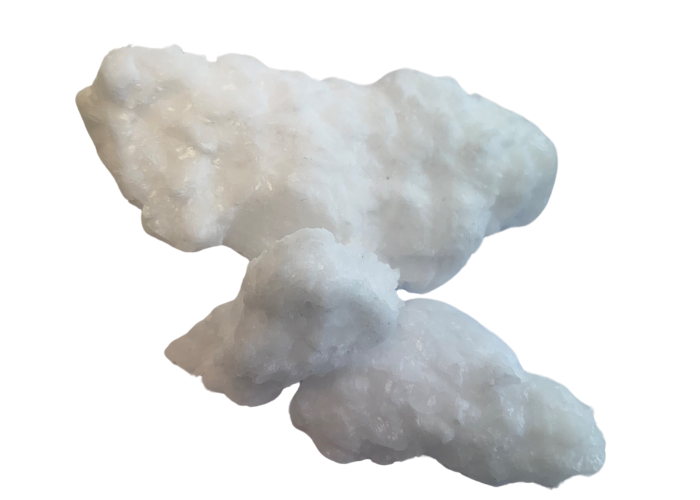
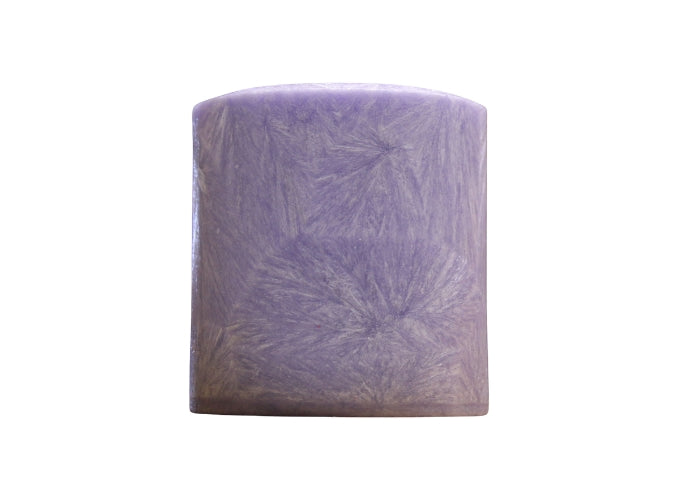
Feathering Palm Wax is a hard, plant-based palm wax that grows a natural feather-like crystal pattern across the surface of a pillar or votive candle as it sets. No two candles come out the same, which makes it a favourite for decorative candles, gifts and market stalls. It melts at about 60 °C, burns slowly and holds its shape well. You add your own fragrance oil, dye and wick.
For the best feathering effect, pour the wax at 85-90 °C into a clean mould and colour it with candle dye so the pattern shows. We supply it from Kaiapoi, Christchurch, in 5 kg, 10 kg and 25 kg packs. Every order is backed by a Specifications sheet, Safety Data Sheet, Ingredient Statement and Candle Making Quick Guide, all linked in the Product Documents section below.
|
Feather crystal pattern Different on every candle |
Melts at about 60 °C Hard, holds its shape |
Fragrance up to 8% Of wax weight |
Pour 85-90 °C For the feathered finish |
Safety information: this wax is poured very hot. For full hazard, handling and safety information, please see the Safety Data Sheet in the Product Documents section below.
Specifications
| Specification | Detail |
|---|---|
| Product | Feathering Palm Wax |
| Type | Feathering palm wax for pillar and votive candles |
| Composition | Palm wax (vegetable wax derived from palm oil), 100%. No added fragrance or dye |
| Appearance | White to cream waxy solid, odourless |
| Melt Point | About 60 °C (140 °F) |
| Melting and Fragrance Step | Melt slowly to about 90 °C (194 °F). Let it cool to about 75 °C (167 °F), add fragrance and stir gently for at least 2 minutes, then bring it back to 85-90 °C to pour. Do not heat above 100 °C |
| Recommended Fragrance Load | Up to 8% of wax weight. Always test |
| Pour Temperature | 85-90 °C (185-194 °F) for the best feathered finish. Do not pour below 65 °C, as no feathering will show |
| Best Suited For | Pillar and votive candles. Colour the wax with candle dye, as the feathering does not show well in white candles. For jars, see our soy container waxes |
| Moulds | Clean, dry pillar or votive moulds, rated for 90 °C. Metal (aluminium) moulds are commonly used |
| Wick Guidance | ECO wicks, sized to the pillar diameter, going up one size from a paraffin or soy wick. Always test (see the wick guide below) |
| Pack Sizes | 5 kg, 10 kg, 25 kg |
| Storage | Cool, dry place, sealed, away from heat and sunlight |
| Shelf Life | Typically 2 years when stored sealed, cool and dry |
| Use | Candle and wax melt making only. Not for food, cosmetic or topical use |
How to Make a Feathering Pillar Candle
- Prepare the mould. Use a clean, dry mould that is rated for 90 °C. Metal moulds are commonly used for pillars. Thread the wick through, seal the wick hole, and pull the wick taut and centred with a metal wick holder or bar across the top.
- Weigh. Weigh the wax, then weigh fragrance oil at up to 8% of the wax weight. Many makers start lower and work up.
- Melt. Melt slowly in a double boiler or other controlled heat to about 90 °C. Do not go above 100 °C. Add candle dye now, as the feathering does not show well in white candles, and stir until dissolved. Never heat wax directly over a flame or leave it unattended.
- Cool a little. Take the wax off the heat and let it cool to about 75 °C. Check the flash point of your fragrance oil first.
- Add fragrance and pour. Add the fragrance and stir gently for at least 2 minutes, then bring the wax back up to 85-90 °C. Pour slowly and steadily, near the wick. Do not pour below 65 °C, as no feathering will show. The warm pour is what lets the pattern develop on the outside of the candle.
- Let it set. Leave the mould undisturbed at room temperature, away from draughts. Do not chill it, as fast cooling reduces the feathers.
- Top up. Wax shrinks as it cools. If air is trapped in a cavity at the top, stir gently to release it. If a dip forms around the wick, break the hardened surface and pour a small top-up of melted wax before the candle is fully cool. Large pillars may need two.
- Cool and release. Let the candle cool completely, often 12 to 24 hours. Release it gently from the mould, trim the wick to about 5 mm and wait 48 hours before a test burn.
Tip: always make a small test candle first. Every combination of mould, wick, fragrance and dye feathers and burns a little differently.
What Is Feathering Palm Wax? ▼
Palm wax is a hard vegetable wax made from palm oil. Feathering grades are formulated to set with a distinctive pattern. As the candle cools in the mould, they form a feather-like crystal pattern on the outside surface.
The pattern is strongest on pillar and votive candles, where the outside of the candle is formed against the mould wall. The effect does not show well in white candles, so use candle dye. Pastel or bold colours make the feathers easier to see.
Good to know: palm wax is a plant-based wax, but palm oil sourcing matters to some customers. Ask us if you need sourcing details. The pour temperature is lower than for our Crystal Palm Wax, which suits a hotter pour. Palm wax burns slowly, so wick up one size from what you would use for paraffin or soy.
Choosing the Right Wax ▼
| Candle type | Wax to use | Notes |
|---|---|---|
| Feathering pillar and votive candles | Feathering Palm Wax (this wax) | Pour at 85-90 °C and colour the wax with candle dye so the feather pattern shows. |
| Frosted crystal-pattern pillars | Crystal Palm Wax | A different crystallising palm wax with a different look, poured hotter (90-95 °C). |
| Plain pillars, votives and containers | Plain Palm Wax | A smooth palm wax with no crystal pattern, poured cooler (65-70 °C). |
| Smooth pillars and moulded candles | Paraffin Wax or Soy Wax (Pillar Blend) 58° | For a plain, smooth finish without feathers. The soy pillar blend is a plant-based option. |
| Wax melts | Feathering Palm Wax (this wax) or Natural Soy Wax Flakes 50°C | This wax melts at about 60 °C, so it suits warmers that run hot. The 50°C flakes release scent at a lower temperature. Pour into silicone moulds or clamshell packs. |
| Container candles in jars and tins | Golden Brands 464, Natural Soy Wax Flakes 50°C or Coco Soy Blended Wax | This wax can be used in a container, but the feather pattern only shows on a free-standing candle. Soy container waxes grip the glass better. |
| Clear gel candles | Jelly Candle Wax (Gel) | A different wax for a different look. |
Uses & Project Ideas ▼
Feathering pillar candles
The classic use. Colour the wax, pour into a round or square pillar mould and watch the pattern develop on the outside of the candle.
Votives
Small moulded candles for holders and events, with the same natural feathered finish.
Decorative and seasonal candles
Pastel or bold colours show the feathers best. Try one colour per candle, or layer colours. Browse our candle moulds.
Wax melts
Pour into silicone moulds or clamshell packs for wax melts. Use the same melting steps as for candles, let the wax cool a little before pouring into plastic, and test a small batch first.
Gifts, markets and workshops
The feathered finish makes each candle look hand-made and different, which suits gifts, weddings and market stalls.
Fragrance, Colour & Additive Guide ▼
These are starting points, not fixed rules. Always test a small batch, and follow the safety information for each fragrance oil and dye you use.
| Add-in | Starting point | Notes |
|---|---|---|
| Fragrance oil | Up to 8% of wax weight | Use fragrance oil made for candles. The wax is poured hot, so check the flash point of your fragrance oil first. Add it off the heat and stir gently. Too much fragrance can sweat out of the candle. |
| Liquid candle dye | A few drops at a time | Add to the melted wax and stir until dissolved. Wax looks darker when liquid than when set. Pastel or bold colours show the feathers best. Browse our liquid candle dyes. |
| Dye chips | Follow the chip supplier's guidance | Add to the melted wax and stir until fully dissolved. Browse our candle dye chips. |
| Other additives | Test first | Anything not made for candles can affect the burn and the feather pattern, so test a small candle before using it. |
Wick Guide ▼
Wick size is the most important choice in a candle. These are starting points only, as the right wick depends on your pillar diameter, fragrance and dye. Palm wax burns slowly, so makers often go up one size from what they would use for paraffin or soy. Always burn test, then adjust one size at a time.
| Item | Where to start | Notes |
|---|---|---|
| ECO wicks | Match the wick to the pillar diameter: 45-70 mm, 75-90 mm or 90-105 mm, then go up one size if the flame is small | Woven from cotton and paper threads, which gives a stiff, easy-to-handle wick. Go up a size if the flame is small or the candle tunnels, down if the flame is large or sooty. |
| Wick holders and wick stickers | One per wick | Keeps the wick taut and centred while the wax sets. A centred wick burns evenly. |
| Wick trimmer | Before every burn | Trim to about 5 mm for a steady flame. |
Troubleshooting ▼
| Problem | Likely cause | What to try |
|---|---|---|
| Little or no feathering | Wax poured too cool, mould too cold, or cooled too fast | Pour at 85-90 °C, use a clean mould at room temperature and let it set undisturbed away from draughts. |
| Candle sticks in the mould | Mould dirty or scratched, or candle not fully cool | Use a clean mould, let the candle cool completely and use a mould release made for candle moulds. |
| Dip or sunken top | Wax shrinks as it sets | Pour a small top-up of melted wax before the candle is fully cool. Large pillars may need two top-ups. |
| Cracks | Wax cooling too fast | Cool slowly, away from draughts and cold surfaces. |
| Air bubbles or pitting | Stirring hard or pouring too fast | Stir gently with a narrow spoon and pour slowly. |
| Discolouring | Wax overheated | Keep the wax below 100 °C and avoid copper or zinc pots. Stainless steel is best. |
| Fragrance sweats out of the candle | Too much fragrance | Reduce the fragrance load. |
| Small flame or tunnelling | Wick too small for a slow-burning wax | Try the next wick size up. |
| Large flame or soot | Wick too large or fragrance load too high | Try the next wick size down and trim to 5 mm. |
Sizes & Price per kg
| Size | Price | Price per kg |
|---|---|---|
| 5 kg | $54.00 | $10.80 |
| 10 kg | $102.00 | $10.20 |
| 25 kg | $234.00 | $9.36 |
Burn Safety & Selling Your Candles ▼
Never leave a burning candle unattended. Burn pillars on a heat-resistant plate, away from children, pets, draughts and anything flammable. Trim the wick to about 5 mm before each burn.
This wax is poured at 85-90 °C and melted to about 90 °C. Molten wax and the pots it is heated in can burn badly. Keep melting wax away from children and pets, never heat it over a direct flame, and do not heat it above 100 °C. Wear heat-resistant gloves, have a lid or damp cloth nearby for emergencies, and do not use water on a wax fire.
Selling your candles? Your labels should include safe-burning warnings and any hazard or allergen information required for the fragrance oil you use. Use the Ingredient Statement and Safety Data Sheet below together with the safety data for everything you add.
Frequently Asked Questions ▼
Is it suitable for pillar candles?
Yes. This wax is hard enough for pillar, votive and moulded candles, and it is best used for free-standing candles where the feather pattern can develop.
Why isn't my candle feathering?
The feathering effect needs a pour at 85-90 °C (not below 65 °C), a clean mould at room temperature, slow undisturbed cooling and a coloured wax, as it does not show well in white candles. See the Troubleshooting section above.
Can I make wax melts with it?
Yes. Pour into silicone moulds or clamshell packs for wax melts. Use the same melting steps as for candles, let the wax cool a little before pouring into plastic, and test a small batch first. The wax melts at about 60 °C, so it suits warmers that run hot.
Can I make container candles with it?
It can be done, but the feather pattern shows on the outside of a candle, so a jar hides it. For jars and tins, see Golden Brands 464, Natural Soy Wax Flakes 50°C or Coco Soy Blended Wax.
How much fragrance can I add?
Up to 8% of the wax weight. Many makers start lower. Always test your own fragrance.
What temperature should I melt and pour at?
Melt slowly to about 90 °C and keep it below 100 °C. Let it cool to about 75 °C to add the fragrance, stir for at least 2 minutes, then bring it back to 85-90 °C to pour. Do not pour below 65 °C.
Which wick should I use?
It depends on your pillar diameter. See the Wick Guide above for ECO wick starting points. Palm wax burns slowly, so you may need to go up one size. Always burn test.
Do I need a metal mould?
Metal (aluminium) moulds are commonly used for pillars. Any mould must be rated for a 90 °C pour.
What is the melting point?
About 60 °C.
Is it plant-based, vegan or RSPO certified?
Palm wax is made from palm oil, a plant source, but we have not independently verified vegan or sustainability claims. Ask us if you need sourcing details.
How should I store it?
Keep it sealed in a cool, dry place away from heat and sunlight.
Where is it made?
Ask us if you need origin information.
Pairs Well With
Pair this wax with fragrance oils for scent and a wick from our ECO wicks. Cast it in our candle moulds, hold the wick with wick holders or wick stickers, and add colour with liquid candle dyes or dye chips to show off the feathers. For other palm finishes, see Crystal Palm Wax and Plain Palm Wax. For a smooth finish, see Paraffin Wax or Soy Wax (Pillar Blend) 58°. For melts, see our wax melt clamshells, and finish candles with a wick trimmer. See all candle making accessories. |

Product Documents
|
Couldn't load pickup availability
Feathering Palm Wax (Palm Wax for Pillar and Votive Candles)
Feathering Palm Wax is a hard, plant-based palm wax that grows a natural feather-like crystal pattern across the surface of a pillar or votive candle as it sets. No two candles come out the same, which makes it a favourite for decorative candles, gifts and market stalls. It melts at about 60 °C, burns slowly and holds its shape well. You add your own fragrance oil, dye and wick.
For the best feathering effect, pour the wax at 85-90 °C into a clean mould and colour it with candle dye so the pattern shows. We supply it from Kaiapoi, Christchurch, in 5 kg, 10 kg and 25 kg packs. Every order is backed by a Specifications sheet, Safety Data Sheet, Ingredient Statement and Candle Making Quick Guide, all linked in the Product Documents section below.
|
Feather crystal pattern Different on every candle |
Melts at about 60 °C Hard, holds its shape |
Fragrance up to 8% Of wax weight |
Pour 85-90 °C For the feathered finish |
Safety information: this wax is poured very hot. For full hazard, handling and safety information, please see the Safety Data Sheet in the Product Documents section below.
Specifications
| Specification | Detail |
|---|---|
| Product | Feathering Palm Wax |
| Type | Feathering palm wax for pillar and votive candles |
| Composition | Palm wax (vegetable wax derived from palm oil), 100%. No added fragrance or dye |
| Appearance | White to cream waxy solid, odourless |
| Melt Point | About 60 °C (140 °F) |
| Melting and Fragrance Step | Melt slowly to about 90 °C (194 °F). Let it cool to about 75 °C (167 °F), add fragrance and stir gently for at least 2 minutes, then bring it back to 85-90 °C to pour. Do not heat above 100 °C |
| Recommended Fragrance Load | Up to 8% of wax weight. Always test |
| Pour Temperature | 85-90 °C (185-194 °F) for the best feathered finish. Do not pour below 65 °C, as no feathering will show |
| Best Suited For | Pillar and votive candles. Colour the wax with candle dye, as the feathering does not show well in white candles. For jars, see our soy container waxes |
| Moulds | Clean, dry pillar or votive moulds, rated for 90 °C. Metal (aluminium) moulds are commonly used |
| Wick Guidance | ECO wicks, sized to the pillar diameter, going up one size from a paraffin or soy wick. Always test (see the wick guide below) |
| Pack Sizes | 5 kg, 10 kg, 25 kg |
| Storage | Cool, dry place, sealed, away from heat and sunlight |
| Shelf Life | Typically 2 years when stored sealed, cool and dry |
| Use | Candle and wax melt making only. Not for food, cosmetic or topical use |
How to Make a Feathering Pillar Candle
- Prepare the mould. Use a clean, dry mould that is rated for 90 °C. Metal moulds are commonly used for pillars. Thread the wick through, seal the wick hole, and pull the wick taut and centred with a metal wick holder or bar across the top.
- Weigh. Weigh the wax, then weigh fragrance oil at up to 8% of the wax weight. Many makers start lower and work up.
- Melt. Melt slowly in a double boiler or other controlled heat to about 90 °C. Do not go above 100 °C. Add candle dye now, as the feathering does not show well in white candles, and stir until dissolved. Never heat wax directly over a flame or leave it unattended.
- Cool a little. Take the wax off the heat and let it cool to about 75 °C. Check the flash point of your fragrance oil first.
- Add fragrance and pour. Add the fragrance and stir gently for at least 2 minutes, then bring the wax back up to 85-90 °C. Pour slowly and steadily, near the wick. Do not pour below 65 °C, as no feathering will show. The warm pour is what lets the pattern develop on the outside of the candle.
- Let it set. Leave the mould undisturbed at room temperature, away from draughts. Do not chill it, as fast cooling reduces the feathers.
- Top up. Wax shrinks as it cools. If air is trapped in a cavity at the top, stir gently to release it. If a dip forms around the wick, break the hardened surface and pour a small top-up of melted wax before the candle is fully cool. Large pillars may need two.
- Cool and release. Let the candle cool completely, often 12 to 24 hours. Release it gently from the mould, trim the wick to about 5 mm and wait 48 hours before a test burn.
Tip: always make a small test candle first. Every combination of mould, wick, fragrance and dye feathers and burns a little differently.
What Is Feathering Palm Wax? ▼
Palm wax is a hard vegetable wax made from palm oil. Feathering grades are formulated to set with a distinctive pattern. As the candle cools in the mould, they form a feather-like crystal pattern on the outside surface.
The pattern is strongest on pillar and votive candles, where the outside of the candle is formed against the mould wall. The effect does not show well in white candles, so use candle dye. Pastel or bold colours make the feathers easier to see.
Good to know: palm wax is a plant-based wax, but palm oil sourcing matters to some customers. Ask us if you need sourcing details. The pour temperature is lower than for our Crystal Palm Wax, which suits a hotter pour. Palm wax burns slowly, so wick up one size from what you would use for paraffin or soy.
Choosing the Right Wax ▼
| Candle type | Wax to use | Notes |
|---|---|---|
| Feathering pillar and votive candles | Feathering Palm Wax (this wax) | Pour at 85-90 °C and colour the wax with candle dye so the feather pattern shows. |
| Frosted crystal-pattern pillars | Crystal Palm Wax | A different crystallising palm wax with a different look, poured hotter (90-95 °C). |
| Plain pillars, votives and containers | Plain Palm Wax | A smooth palm wax with no crystal pattern, poured cooler (65-70 °C). |
| Smooth pillars and moulded candles | Paraffin Wax or Soy Wax (Pillar Blend) 58° | For a plain, smooth finish without feathers. The soy pillar blend is a plant-based option. |
| Wax melts | Feathering Palm Wax (this wax) or Natural Soy Wax Flakes 50°C | This wax melts at about 60 °C, so it suits warmers that run hot. The 50°C flakes release scent at a lower temperature. Pour into silicone moulds or clamshell packs. |
| Container candles in jars and tins | Golden Brands 464, Natural Soy Wax Flakes 50°C or Coco Soy Blended Wax | This wax can be used in a container, but the feather pattern only shows on a free-standing candle. Soy container waxes grip the glass better. |
| Clear gel candles | Jelly Candle Wax (Gel) | A different wax for a different look. |
Uses & Project Ideas ▼
Feathering pillar candles
The classic use. Colour the wax, pour into a round or square pillar mould and watch the pattern develop on the outside of the candle.
Votives
Small moulded candles for holders and events, with the same natural feathered finish.
Decorative and seasonal candles
Pastel or bold colours show the feathers best. Try one colour per candle, or layer colours. Browse our candle moulds.
Wax melts
Pour into silicone moulds or clamshell packs for wax melts. Use the same melting steps as for candles, let the wax cool a little before pouring into plastic, and test a small batch first.
Gifts, markets and workshops
The feathered finish makes each candle look hand-made and different, which suits gifts, weddings and market stalls.
Fragrance, Colour & Additive Guide ▼
These are starting points, not fixed rules. Always test a small batch, and follow the safety information for each fragrance oil and dye you use.
| Add-in | Starting point | Notes |
|---|---|---|
| Fragrance oil | Up to 8% of wax weight | Use fragrance oil made for candles. The wax is poured hot, so check the flash point of your fragrance oil first. Add it off the heat and stir gently. Too much fragrance can sweat out of the candle. |
| Liquid candle dye | A few drops at a time | Add to the melted wax and stir until dissolved. Wax looks darker when liquid than when set. Pastel or bold colours show the feathers best. Browse our liquid candle dyes. |
| Dye chips | Follow the chip supplier's guidance | Add to the melted wax and stir until fully dissolved. Browse our candle dye chips. |
| Other additives | Test first | Anything not made for candles can affect the burn and the feather pattern, so test a small candle before using it. |
Wick Guide ▼
Wick size is the most important choice in a candle. These are starting points only, as the right wick depends on your pillar diameter, fragrance and dye. Palm wax burns slowly, so makers often go up one size from what they would use for paraffin or soy. Always burn test, then adjust one size at a time.
| Item | Where to start | Notes |
|---|---|---|
| ECO wicks | Match the wick to the pillar diameter: 45-70 mm, 75-90 mm or 90-105 mm, then go up one size if the flame is small | Woven from cotton and paper threads, which gives a stiff, easy-to-handle wick. Go up a size if the flame is small or the candle tunnels, down if the flame is large or sooty. |
| Wick holders and wick stickers | One per wick | Keeps the wick taut and centred while the wax sets. A centred wick burns evenly. |
| Wick trimmer | Before every burn | Trim to about 5 mm for a steady flame. |
Troubleshooting ▼
| Problem | Likely cause | What to try |
|---|---|---|
| Little or no feathering | Wax poured too cool, mould too cold, or cooled too fast | Pour at 85-90 °C, use a clean mould at room temperature and let it set undisturbed away from draughts. |
| Candle sticks in the mould | Mould dirty or scratched, or candle not fully cool | Use a clean mould, let the candle cool completely and use a mould release made for candle moulds. |
| Dip or sunken top | Wax shrinks as it sets | Pour a small top-up of melted wax before the candle is fully cool. Large pillars may need two top-ups. |
| Cracks | Wax cooling too fast | Cool slowly, away from draughts and cold surfaces. |
| Air bubbles or pitting | Stirring hard or pouring too fast | Stir gently with a narrow spoon and pour slowly. |
| Discolouring | Wax overheated | Keep the wax below 100 °C and avoid copper or zinc pots. Stainless steel is best. |
| Fragrance sweats out of the candle | Too much fragrance | Reduce the fragrance load. |
| Small flame or tunnelling | Wick too small for a slow-burning wax | Try the next wick size up. |
| Large flame or soot | Wick too large or fragrance load too high | Try the next wick size down and trim to 5 mm. |
Sizes & Price per kg
| Size | Price | Price per kg |
|---|---|---|
| 5 kg | $54.00 | $10.80 |
| 10 kg | $102.00 | $10.20 |
| 25 kg | $234.00 | $9.36 |
Burn Safety & Selling Your Candles ▼
Never leave a burning candle unattended. Burn pillars on a heat-resistant plate, away from children, pets, draughts and anything flammable. Trim the wick to about 5 mm before each burn.
This wax is poured at 85-90 °C and melted to about 90 °C. Molten wax and the pots it is heated in can burn badly. Keep melting wax away from children and pets, never heat it over a direct flame, and do not heat it above 100 °C. Wear heat-resistant gloves, have a lid or damp cloth nearby for emergencies, and do not use water on a wax fire.
Selling your candles? Your labels should include safe-burning warnings and any hazard or allergen information required for the fragrance oil you use. Use the Ingredient Statement and Safety Data Sheet below together with the safety data for everything you add.
Frequently Asked Questions ▼
Is it suitable for pillar candles?
Yes. This wax is hard enough for pillar, votive and moulded candles, and it is best used for free-standing candles where the feather pattern can develop.
Why isn't my candle feathering?
The feathering effect needs a pour at 85-90 °C (not below 65 °C), a clean mould at room temperature, slow undisturbed cooling and a coloured wax, as it does not show well in white candles. See the Troubleshooting section above.
Can I make wax melts with it?
Yes. Pour into silicone moulds or clamshell packs for wax melts. Use the same melting steps as for candles, let the wax cool a little before pouring into plastic, and test a small batch first. The wax melts at about 60 °C, so it suits warmers that run hot.
Can I make container candles with it?
It can be done, but the feather pattern shows on the outside of a candle, so a jar hides it. For jars and tins, see Golden Brands 464, Natural Soy Wax Flakes 50°C or Coco Soy Blended Wax.
How much fragrance can I add?
Up to 8% of the wax weight. Many makers start lower. Always test your own fragrance.
What temperature should I melt and pour at?
Melt slowly to about 90 °C and keep it below 100 °C. Let it cool to about 75 °C to add the fragrance, stir for at least 2 minutes, then bring it back to 85-90 °C to pour. Do not pour below 65 °C.
Which wick should I use?
It depends on your pillar diameter. See the Wick Guide above for ECO wick starting points. Palm wax burns slowly, so you may need to go up one size. Always burn test.
Do I need a metal mould?
Metal (aluminium) moulds are commonly used for pillars. Any mould must be rated for a 90 °C pour.
What is the melting point?
About 60 °C.
Is it plant-based, vegan or RSPO certified?
Palm wax is made from palm oil, a plant source, but we have not independently verified vegan or sustainability claims. Ask us if you need sourcing details.
How should I store it?
Keep it sealed in a cool, dry place away from heat and sunlight.
Where is it made?
Ask us if you need origin information.
Pairs Well With
Pair this wax with fragrance oils for scent and a wick from our ECO wicks. Cast it in our candle moulds, hold the wick with wick holders or wick stickers, and add colour with liquid candle dyes or dye chips to show off the feathers. For other palm finishes, see Crystal Palm Wax and Plain Palm Wax. For a smooth finish, see Paraffin Wax or Soy Wax (Pillar Blend) 58°. For melts, see our wax melt clamshells, and finish candles with a wick trimmer. See all candle making accessories. |
|
Product Documents
|
