
Titanium Dioxide
Titanium Dioxide
Titanium Dioxide (CI 77891, White Pigment Powder)
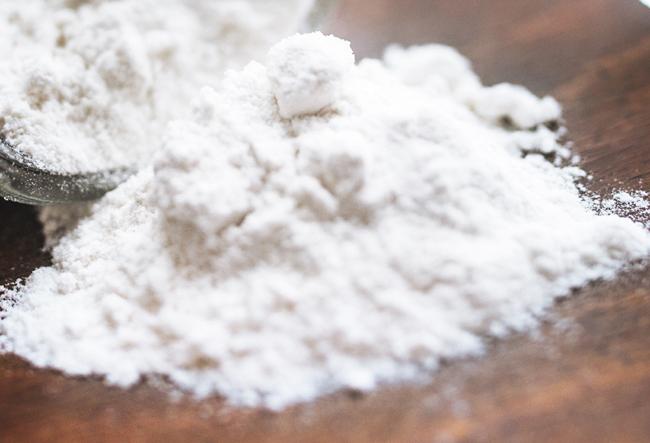
Titanium dioxide is one of the whitest pigments known. It is a fine white powder with a high refractive index, which means it scatters light and gives products a bright, opaque white.
In soap and cosmetic making it is used to whiten and opacify products. It turns clear melt and pour base opaque, makes cold process soap brighter white, and helps make the true colour of mica and other pigments show up more clearly.
|
Bright white pigment CI 77891 |
Opacifier Whitens and brightens |
Soap and cosmetics Melt and pour and cold process |
100 g to 1 kg Four pack sizes |
Safety information: for external (cosmetic) use only. Keep out of reach of children, keep away from the eyes, patch test before first use and avoid breathing in the dust. See Safety below and the Safety Data Sheet in the Product Documents section at the end of this page.
Specifications
| Specification | Detail |
|---|---|
| Product | Titanium Dioxide |
| INCI (typical) | Titanium Dioxide (CI 77891) |
| Type | Fine white pigment powder |
| Appearance | Fine white powder |
| Behaviour | Insoluble. Disperse into an oil or water phase before use |
| Suitable for | Melt and pour soap, cold process soap, bath bombs, cosmetics, makeup and colour recipes |
| Maximum use | Up to 25% in suitable cosmetic formulations. Most soap needs far less |
| Not suitable for | DIY sunscreens (SPF cannot be reliably achieved at home). Internal use. Do not inhale the dust |
| Pack Sizes | 100 g, 250 g, 500 g, 1 kg |
| Storage | Sealed, cool and dry, away from moisture and direct sunlight |
| Use | Raw material for makers. Formulation, safety assessment and labelling of finished products are the maker's responsibility |
Uses
| Use | How it is used |
|---|---|
| Melt and pour soap | Makes clear base opaque white, or brightens a white base |
| Cold process soap | Brightens and whitens bars, and gives a cleaner base for colours |
| Colour recipes | Mix with mica and pigments to lighten or make colours more opaque |
| Bath bombs | Whitens the mix or gives a lighter base for colours |
| Makeup and cosmetics | Adds opacity and a white base to cosmetic recipes |
| Lip balms and creams | Lightens or opacifies a coloured product |
How to Add Titanium Dioxide to Soap
- Measure. Wear a dust mask and weigh the powder. It is very fine and gets everywhere.
- Pre-mix. Stir the powder into a little warm oil (cold process) or vegetable glycerine (melt and pour) until it is a smooth, lump-free slurry.
- Add. Stir the slurry into your soap at light trace, or into the melted base, until it is evenly white.
- Check the colour. Add more a little at a time. A little goes a long way.
- Pour. Pour and finish as usual. Clean the tools and surfaces while the soap is still wet.
Using It in Soap & Cosmetics ▼
These are common maker starting points, not fixed rules. Results vary with your recipe, so always test a small batch first.
| Use | Starting amount | Notes |
|---|---|---|
| Melt and pour soap | About 1/2-1 tsp per 500 g of base | Pre-mix in vegetable glycerine first. Add a little at a time. |
| Cold process soap | About 1 tsp per 500 g of soap oils | Mix into a little oil, then add at light trace. Use less or more for the whiteness you want. |
| Bath bombs | About 1 tsp per 500 g of dry mix | Mix well through the dry ingredients. |
| Colour recipes | Add to micas to lighten | Mix with a little glycerine or oil first. |
| Cosmetic formulas | Start low, up to 25% maximum | Test your recipe. Do not use it to make a DIY sunscreen. |
Titanium dioxide can leave visible white specks if it is not mixed well. Pre-mixing is the secret.
Tips & Troubleshooting ▼
| Problem | Likely cause | What to try |
|---|---|---|
| White specks or lumps | Powder not fully mixed in | Pre-mix into a slurry with oil or glycerine, then stick-blend or stir well. |
| Too opaque or chalky | Too much added | Use less. A small amount whitens most bars. |
| Colours look pastel | Titanium dioxide lightens colours | Use less, or add more mica or pigment to compensate. |
| Dust cloud when measuring | Very fine powder | Work slowly, wear a dust mask and use a damp cloth to clean up. |
| Settles out in a thin product | Dense, insoluble powder | Stir before use, or use a thickener to hold it in suspension. |
Safety & Selling Your Products ▼
This product is a cosmetic raw material for external use only. Do not swallow it, keep it out of reach of children, keep it away from the eyes and do not use it on broken or irritated skin. Fine powders can irritate the airways, so wear a dust mask when weighing or pouring and avoid creating dust clouds. Do a patch test before first use and stop using it if irritation occurs.
Titanium dioxide is a very fine powder. Do not breathe in the dust, and wear a dust mask when weighing or pouring. Do not use it in loose powders or sprays that could be inhaled. We do not recommend making your own sunscreens, as the sun protection of homemade products cannot be reliably tested.
Selling what you make? This is a raw material for makers. The formulation, preservation, safety assessment, labelling and any regulatory requirements for your finished cosmetics or soap (including the NZ cosmetic rules) are your responsibility, and health or treatment claims should not be made for your products. Contact us at info@purefx.co.nz if you need product information.
Frequently Asked Questions ▼
What is it used for in soap?
It whitens and opacifies. It turns clear melt and pour opaque and gives cold process soap a brighter white.
How much should I use?
In soap, about 1/2-1 teaspoon per 500 g of base or oils is a common starting point. Use up to 25% maximum in suitable cosmetic formulations.
Can I make sunscreen with it?
We do not recommend it. The sun protection of homemade products cannot be reliably tested, so please use a tested commercial sunscreen.
Why does it clump?
It is a very fine powder. Mix it with a little oil or glycerine to a slurry first.
Is it safe to inhale?
No. Wear a dust mask and avoid breathing in the powder.
Can I eat it or use it internally?
No. It is sold for cosmetic and soap making only.
Sizes & Price
| Pack | Price | Price per 100 g |
|---|---|---|
| 100 g | $6.00 | $6.00 |
| 250 g | $13.50 | $5.40 |
| 500 g | $25.00 | $5.00 |
| 1 kg | $48.00 | $4.80 |
Pairs Well With
Pair with mica and kaolin clay for pastel colours, and use with a white SLS-free melt and pour base or clear SLS-free melt and pour base. Add skin-safe mica for colour, activated charcoal to lighten clays and fragrance oils. For cosmetics, see our cosmetic making supplies. Browse all clays and cosmetic powders. |
 Product Documents
|
Couldn't load pickup availability
Titanium Dioxide (CI 77891, White Pigment Powder)
Titanium dioxide is one of the whitest pigments known. It is a fine white powder with a high refractive index, which means it scatters light and gives products a bright, opaque white.
In soap and cosmetic making it is used to whiten and opacify products. It turns clear melt and pour base opaque, makes cold process soap brighter white, and helps make the true colour of mica and other pigments show up more clearly.
|
Bright white pigment CI 77891 |
Opacifier Whitens and brightens |
Soap and cosmetics Melt and pour and cold process |
100 g to 1 kg Four pack sizes |
Safety information: for external (cosmetic) use only. Keep out of reach of children, keep away from the eyes, patch test before first use and avoid breathing in the dust. See Safety below and the Safety Data Sheet in the Product Documents section at the end of this page.
Specifications
| Specification | Detail |
|---|---|
| Product | Titanium Dioxide |
| INCI (typical) | Titanium Dioxide (CI 77891) |
| Type | Fine white pigment powder |
| Appearance | Fine white powder |
| Behaviour | Insoluble. Disperse into an oil or water phase before use |
| Suitable for | Melt and pour soap, cold process soap, bath bombs, cosmetics, makeup and colour recipes |
| Maximum use | Up to 25% in suitable cosmetic formulations. Most soap needs far less |
| Not suitable for | DIY sunscreens (SPF cannot be reliably achieved at home). Internal use. Do not inhale the dust |
| Pack Sizes | 100 g, 250 g, 500 g, 1 kg |
| Storage | Sealed, cool and dry, away from moisture and direct sunlight |
| Use | Raw material for makers. Formulation, safety assessment and labelling of finished products are the maker's responsibility |
Uses
| Use | How it is used |
|---|---|
| Melt and pour soap | Makes clear base opaque white, or brightens a white base |
| Cold process soap | Brightens and whitens bars, and gives a cleaner base for colours |
| Colour recipes | Mix with mica and pigments to lighten or make colours more opaque |
| Bath bombs | Whitens the mix or gives a lighter base for colours |
| Makeup and cosmetics | Adds opacity and a white base to cosmetic recipes |
| Lip balms and creams | Lightens or opacifies a coloured product |
How to Add Titanium Dioxide to Soap
- Measure. Wear a dust mask and weigh the powder. It is very fine and gets everywhere.
- Pre-mix. Stir the powder into a little warm oil (cold process) or vegetable glycerine (melt and pour) until it is a smooth, lump-free slurry.
- Add. Stir the slurry into your soap at light trace, or into the melted base, until it is evenly white.
- Check the colour. Add more a little at a time. A little goes a long way.
- Pour. Pour and finish as usual. Clean the tools and surfaces while the soap is still wet.
Using It in Soap & Cosmetics ▼
These are common maker starting points, not fixed rules. Results vary with your recipe, so always test a small batch first.
| Use | Starting amount | Notes |
|---|---|---|
| Melt and pour soap | About 1/2-1 tsp per 500 g of base | Pre-mix in vegetable glycerine first. Add a little at a time. |
| Cold process soap | About 1 tsp per 500 g of soap oils | Mix into a little oil, then add at light trace. Use less or more for the whiteness you want. |
| Bath bombs | About 1 tsp per 500 g of dry mix | Mix well through the dry ingredients. |
| Colour recipes | Add to micas to lighten | Mix with a little glycerine or oil first. |
| Cosmetic formulas | Start low, up to 25% maximum | Test your recipe. Do not use it to make a DIY sunscreen. |
Titanium dioxide can leave visible white specks if it is not mixed well. Pre-mixing is the secret.
Tips & Troubleshooting ▼
| Problem | Likely cause | What to try |
|---|---|---|
| White specks or lumps | Powder not fully mixed in | Pre-mix into a slurry with oil or glycerine, then stick-blend or stir well. |
| Too opaque or chalky | Too much added | Use less. A small amount whitens most bars. |
| Colours look pastel | Titanium dioxide lightens colours | Use less, or add more mica or pigment to compensate. |
| Dust cloud when measuring | Very fine powder | Work slowly, wear a dust mask and use a damp cloth to clean up. |
| Settles out in a thin product | Dense, insoluble powder | Stir before use, or use a thickener to hold it in suspension. |
Safety & Selling Your Products ▼
This product is a cosmetic raw material for external use only. Do not swallow it, keep it out of reach of children, keep it away from the eyes and do not use it on broken or irritated skin. Fine powders can irritate the airways, so wear a dust mask when weighing or pouring and avoid creating dust clouds. Do a patch test before first use and stop using it if irritation occurs.
Titanium dioxide is a very fine powder. Do not breathe in the dust, and wear a dust mask when weighing or pouring. Do not use it in loose powders or sprays that could be inhaled. We do not recommend making your own sunscreens, as the sun protection of homemade products cannot be reliably tested.
Selling what you make? This is a raw material for makers. The formulation, preservation, safety assessment, labelling and any regulatory requirements for your finished cosmetics or soap (including the NZ cosmetic rules) are your responsibility, and health or treatment claims should not be made for your products. Contact us at info@purefx.co.nz if you need product information.
Frequently Asked Questions ▼
What is it used for in soap?
It whitens and opacifies. It turns clear melt and pour opaque and gives cold process soap a brighter white.
How much should I use?
In soap, about 1/2-1 teaspoon per 500 g of base or oils is a common starting point. Use up to 25% maximum in suitable cosmetic formulations.
Can I make sunscreen with it?
We do not recommend it. The sun protection of homemade products cannot be reliably tested, so please use a tested commercial sunscreen.
Why does it clump?
It is a very fine powder. Mix it with a little oil or glycerine to a slurry first.
Is it safe to inhale?
No. Wear a dust mask and avoid breathing in the powder.
Can I eat it or use it internally?
No. It is sold for cosmetic and soap making only.
Sizes & Price
| Pack | Price | Price per 100 g |
|---|---|---|
| 100 g | $6.00 | $6.00 |
| 250 g | $13.50 | $5.40 |
| 500 g | $25.00 | $5.00 |
| 1 kg | $48.00 | $4.80 |
Pairs Well With
Pair with mica and kaolin clay for pastel colours, and use with a white SLS-free melt and pour base or clear SLS-free melt and pour base. Add skin-safe mica for colour, activated charcoal to lighten clays and fragrance oils. For cosmetics, see our cosmetic making supplies. Browse all clays and cosmetic powders. |
|
Product Documents
|
