

Goat's Milk SLS-Free Melt & Pour Soap Base
Goat's Milk SLS-Free Melt & Pour Soap Base
Goat's Milk SLS-Free Melt & Pour Soap Base (Creamy, Opaque, Odourless)
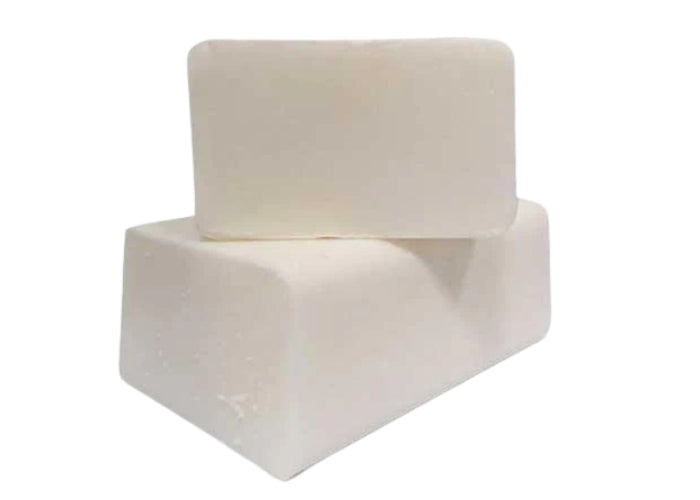
Our Goat's Milk SLS-Free Melt & Pour Soap Base is a ready-to-use, odourless, creamy base that melts, sets and unmoulds without any need to handle lye. Made with goat's milk, olive oil and glycerin, it sets to a smooth, opaque finish that is a good canvas for soft colours and pastels, and because it contains no Sodium Lauryl Sulfate it suits makers looking for a gentler surfactant system.
Goat's milk is a traditional ingredient in soap making, popular for the creamy, comforting feel it gives a bar. The neutral scent lets your chosen fragrance or essential oil come through cleanly. The base is manufactured in China and supplied by PureFX from Kaiapoi, Christchurch, in sizes from 1 kg up to 20 kg for hobbyists, markets and small businesses. Please note that it contains milk and is not suitable for vegan products.
|
SLS free No Sodium Lauryl Sulfate |
Creamy & opaque Made with goat's milk |
Odourless Fragrance shows true |
Beginner friendly Melt, mix, pour, set |
Safety information: for full hazard, handling and safety information, please see the Safety Data Sheet in the Product Documents section below.
Specifications
| Specification | Detail |
|---|---|
| Product | Goat's Milk SLS-Free Melt & Pour Soap Base |
| Type | Opaque, creamy goat's milk melt and pour soap base containing glycerin, supplied as a solid block |
| SLS / SLES | Free of Sodium Lauryl Sulfate (SLS) |
| Main Cleansing Agents | Sodium Stearate and Sodium Laurate (soap salts of stearic and lauric acids) |
| Ingredients (INCI) | Purified Water, Glycerin, Sodium Stearate, Sorbitol, Goat's Milk, Olive Oil, Propylene Glycol, Sodium Laurate, Stearic Acid, Lauric Acid, Sodium Chloride |
| Contains | Goat's milk (milk). Not suitable for vegans |
| Origin | China |
| Appearance | Opaque, creamy when set |
| Odour | Odourless / neutral, so fragrance comes through clearly |
| Melting | Melts to a liquid with gentle heat. Melt until just liquid and do not boil |
| Pack Sizes | 1 kg, 2 kg, 4 kg, 5 kg, 10 kg, 20 kg |
| Shelf Life | 1 year when stored as directed |
How to Make Melt and Pour Soap
- Get set up. Have your base, fragrance, colourants, silicone moulds, a heat-safe jug, a spoon and a spray bottle of rubbing alcohol (isopropyl) ready before you start.
- Cut it up. Chop the block into small, even cubes. Even pieces melt at the same rate and help avoid hot spots.
- Melt gently. Use a heat-safe jug. In the microwave, heat in short bursts (about 20-30 seconds) and stir between each. On the stove, use a double boiler: a smaller pot set inside a larger saucepan with a little water in it. Stop as soon as the base is fully liquid, and do not heat it any further than needed. Milk-containing bases can scorch and darken if overheated.
- Add colour and fragrance. Take it off the heat and let it cool for a moment, then stir in your fragrance or essential oil and your colourant. Very hot base can drive off fragrance and may crack the set bar.
- Stir slowly. Slow, steady stirring mixes everything through without whipping in air bubbles.
- Pour. Place your mould on a flat, stable surface and pour in slowly. Tap the mould gently to release trapped air, then lightly mist the surface with rubbing alcohol to pop bubbles.
- Let it set. Leave the mould undisturbed. Most bars firm up in roughly 2 to 4 hours, depending on room temperature and how thick the bar is. A short stay in the fridge can speed this up, but avoid the freezer.
- Unmould and wrap. Press the soap out gently. Wrap each bar tightly in cling film or shrink wrap straight away. Melt and pour soap holds moisture and can sweat if left uncovered.
Tip: always make a small test batch first. Fragrance, colour and botanicals can all change a soap's hardness, colour and scent strength.
What Is Melt & Pour Soap Base? ▼
Melt and pour is soap that has already been made and is sold as a solid block. Because the chemistry is finished, you never handle lye. You simply cut, melt, customise and re-set it, which is why it is the most popular starting point for beginners, schools, and craft makers.
The base is formulated with glycerin and sugar alcohols so that it re-melts smoothly and sets to a smooth, creamy finish. Your results depend on what you add: fragrance, colour and botanicals can all change how hard, how bright or how strongly scented the finished bar turns out.
Melt and pour or cold process? Melt and pour is quick, needs no lye handling and is ready to use once set, but you work within the base's formula. Cold process lets you design the recipe yourself, but needs lye, careful measuring and several weeks of curing.
Choosing the Right Base ▼
| Base type | Look | Best for |
|---|---|---|
| Clear | Transparent | Colour, layers, embeds and see-through designs |
| White / opaque | Opaque white | Classic bars, bold solid colours and pastels |
| Goat's milk (this base) | Opaque, creamy | Creamy, comforting bars and gifts. Contains milk, so not vegan |
| Low-sweat white | Opaque white | Humid or summer conditions and market stalls |
| Other enriched (shea butter, charcoal) | Opaque or tinted | Skin-feel or deep-cleansing bars |
| Liquid or creamy | Pourable or thick | Hand wash, body wash, scrubs and refills |
Uses & Project Ideas ▼
Creamy everyday bars
The opaque, creamy base gives soft, comforting bars, and takes pastels and gentle colours well.
Layers and swirls
Pair it with clear or white soap for contrast layers, stripes and swirls.
Gifts and craft projects
An easy way to make personalised soaps for birthdays, weddings or market stalls, and a good fit for school and holiday-programme craft.
Fragranced soaps
Because the base is odourless, it works well with essential oils and skin-safe fragrance oils.
Fragrance, Colour & Additive Guide ▼
These are starting points, not fixed rules. Always test a small batch, and follow the safety information and IFRA guidance for each fragrance or essential oil you use.
| Add-in | Starting point | Notes |
|---|---|---|
| Fragrance or essential oil | About 1% of base weight | Check each oil's safe usage rate on its own product page. For fragrance oils, check the vanillin rating, as vanillin can darken creamy soap. Stir in off the heat. |
| Liquid colour | A few drops at a time | Add gradually, stir, and check the colour in a small spoonful. It will look lighter once set. |
| Mica / powder colour | A small pinch, pre-mixed with a little glycerin or the melted base | Mixing to a paste first helps prevent specks. Mica adds shimmer and pearly colour over the creamy base. |
| Dried botanicals and exfoliants | Light sprinkling | Soft petals, coffee grounds or jojoba beads work well. Avoid large, hard or scratchy pieces, and pour a thin base layer first, let a skin form, then add so they do not all sink. Some botanicals can discolour over time. |
| Clays, butters and oils | Keep very low and test first | These can make the soap softer, so keep them low and test first. |
Yield guide: 1 kg of base makes around 10 bars at 100 g each, or around 20 bars at 50 g each, depending on your mould.
Troubleshooting ▼
| Problem | Likely cause | What to try |
|---|---|---|
| Bubbles on the surface | Stirred too fast, or poured from height | Stir slowly, pour close to the mould, and spritz with rubbing alcohol (isopropyl) straight after pouring. |
| Base turns thick or rubbery | Overheated or held hot too long | Melt slowly and stop heating as soon as the last pieces dissolve with gentle stirring. Never boil. |
| Soap browns or darkens | Overheated or scorched (milk bases can brown), a fragrance oil high in vanillin, or oils, butters or clay added | Heat low and slow, and avoid overheating. Choose low-vanillin or vanillin-free fragrance oils and keep oils to a minimum. |
| Droplets on the bars (sweating) | Soap attracts moisture from the air | Wrap airtight as soon as bars are out of the mould and keep away from steam and humidity. A low-sweat base suits humid weather. |
| Weak scent | Fragrance added when the base was very hot | Take the base off the heat first, then add fragrance and pour promptly. |
| Additives sink | Base was too runny when they went in | Let the base cool a little before adding. Pour a base layer first, let a skin form, then add the next. |
| Layers separate | The layer below had set and cooled | Spritz the set layer with rubbing alcohol, then pour the next layer. |
| Soft, sticky or warped bars | Too much liquid, oil or fragrance, or an uneven mould | Reduce additives, use a level surface and leave the soap longer to firm up. |
| Cracking or brittleness | Poured too hot or cooled too quickly | Let the melted base cool slightly before pouring, and let bars set at room temperature. |
Sizes & Price per kg
| Size | Price | Price per kg | Roughly makes (100 g bars) |
|---|---|---|---|
| 1 kg | $15.50 | $15.50 | 10 bars |
| 2 kg | $28.95 | $14.48 | 20 bars |
| 4 kg | $49.00 | $12.25 | 40 bars |
| 5 kg | $59.00 | $11.80 | 50 bars |
| 10 kg | $111.00 | $11.10 | 100 bars |
| 20 kg | $199.00 | $9.95 | 200 bars |
Safety, Children & Selling Your Soap ▼
Melted soap and the containers it is heated in get hot enough to burn, so let jugs cool before handling and keep moulds and hot pots out of reach of small children.
Children can join in with age-appropriate steps such as stirring and decorating, but always with an adult supervising closely.
Selling your soap? Finished-product labels need a full ingredient list, and goat's milk should be declared. Use the Ingredient Statement below, together with the ingredients of everything you add.
Frequently Asked Questions ▼
Is it SLS free?
Yes. It contains no Sodium Lauryl Sulfate. Its cleansing agents are soap salts, Sodium Stearate and Sodium Laurate.
Is it vegan?
No. The base contains goat's milk, so it is not suitable for vegan products. See our Clear and White SLS-Free bases if you need a base without milk.
Can I use essential oils and fragrance oils?
Yes, as long as they are skin-safe and used within their recommended rates. Add them off the heat.
Can I re-melt leftovers?
Yes. Leftover or trimmed soap can be re-melted gently. Avoid repeated overheating, which can darken a milk base.
How long until I can use it?
No curing is needed. Small bars usually firm up within a few hours, deeper moulds take longer, and leaving them overnight can make unmoulding easier.
How should I store it?
Keep the block wrapped or sealed in a cool, dry place out of direct sunlight. The base has a shelf life of 1 year when stored this way. Wrap finished bars to stop them sweating.
How long do finished bars last?
Bars that are wrapped airtight and kept somewhere cool and dry commonly last a year or more. Fragrance, botanicals and humidity all affect this, so check your bars from time to time.
Is it safe for sensitive skin?
Individual reactions vary, and fragrances and colours can cause reactions. The base contains milk, so anyone with a milk allergy or sensitivity should take care. We recommend a patch test of finished soaps.
Pairs Well With
Pair this base with PureFX essential oils for natural fragrance. Skin-safe fragrance oils are also popular in soap making, but check the vanillin rating (percentage) of any fragrance oil before you use it. Vanillin can turn pale and creamy soap tan or brown over time, so choose low-vanillin or vanillin-free fragrances where you want the soap to stay light, and always test a small batch first. Add colour with mica or other soap colourants. Browse our soap moulds for shapes and sizes, from simple bars to novelty designs. For layered designs, pair it with our White SLS-Free base or Clear SLS-Free base. |

Product Documents
|
Couldn't load pickup availability
Goat's Milk SLS-Free Melt & Pour Soap Base (Creamy, Opaque, Odourless)
Our Goat's Milk SLS-Free Melt & Pour Soap Base is a ready-to-use, odourless, creamy base that melts, sets and unmoulds without any need to handle lye. Made with goat's milk, olive oil and glycerin, it sets to a smooth, opaque finish that is a good canvas for soft colours and pastels, and because it contains no Sodium Lauryl Sulfate it suits makers looking for a gentler surfactant system.
Goat's milk is a traditional ingredient in soap making, popular for the creamy, comforting feel it gives a bar. The neutral scent lets your chosen fragrance or essential oil come through cleanly. The base is manufactured in China and supplied by PureFX from Kaiapoi, Christchurch, in sizes from 1 kg up to 20 kg for hobbyists, markets and small businesses. Please note that it contains milk and is not suitable for vegan products.
|
SLS free No Sodium Lauryl Sulfate |
Creamy & opaque Made with goat's milk |
Odourless Fragrance shows true |
Beginner friendly Melt, mix, pour, set |
Safety information: for full hazard, handling and safety information, please see the Safety Data Sheet in the Product Documents section below.
Specifications
| Specification | Detail |
|---|---|
| Product | Goat's Milk SLS-Free Melt & Pour Soap Base |
| Type | Opaque, creamy goat's milk melt and pour soap base containing glycerin, supplied as a solid block |
| SLS / SLES | Free of Sodium Lauryl Sulfate (SLS) |
| Main Cleansing Agents | Sodium Stearate and Sodium Laurate (soap salts of stearic and lauric acids) |
| Ingredients (INCI) | Purified Water, Glycerin, Sodium Stearate, Sorbitol, Goat's Milk, Olive Oil, Propylene Glycol, Sodium Laurate, Stearic Acid, Lauric Acid, Sodium Chloride |
| Contains | Goat's milk (milk). Not suitable for vegans |
| Origin | China |
| Appearance | Opaque, creamy when set |
| Odour | Odourless / neutral, so fragrance comes through clearly |
| Melting | Melts to a liquid with gentle heat. Melt until just liquid and do not boil |
| Pack Sizes | 1 kg, 2 kg, 4 kg, 5 kg, 10 kg, 20 kg |
| Shelf Life | 1 year when stored as directed |
How to Make Melt and Pour Soap
- Get set up. Have your base, fragrance, colourants, silicone moulds, a heat-safe jug, a spoon and a spray bottle of rubbing alcohol (isopropyl) ready before you start.
- Cut it up. Chop the block into small, even cubes. Even pieces melt at the same rate and help avoid hot spots.
- Melt gently. Use a heat-safe jug. In the microwave, heat in short bursts (about 20-30 seconds) and stir between each. On the stove, use a double boiler: a smaller pot set inside a larger saucepan with a little water in it. Stop as soon as the base is fully liquid, and do not heat it any further than needed. Milk-containing bases can scorch and darken if overheated.
- Add colour and fragrance. Take it off the heat and let it cool for a moment, then stir in your fragrance or essential oil and your colourant. Very hot base can drive off fragrance and may crack the set bar.
- Stir slowly. Slow, steady stirring mixes everything through without whipping in air bubbles.
- Pour. Place your mould on a flat, stable surface and pour in slowly. Tap the mould gently to release trapped air, then lightly mist the surface with rubbing alcohol to pop bubbles.
- Let it set. Leave the mould undisturbed. Most bars firm up in roughly 2 to 4 hours, depending on room temperature and how thick the bar is. A short stay in the fridge can speed this up, but avoid the freezer.
- Unmould and wrap. Press the soap out gently. Wrap each bar tightly in cling film or shrink wrap straight away. Melt and pour soap holds moisture and can sweat if left uncovered.
Tip: always make a small test batch first. Fragrance, colour and botanicals can all change a soap's hardness, colour and scent strength.
What Is Melt & Pour Soap Base? ▼
Melt and pour is soap that has already been made and is sold as a solid block. Because the chemistry is finished, you never handle lye. You simply cut, melt, customise and re-set it, which is why it is the most popular starting point for beginners, schools, and craft makers.
The base is formulated with glycerin and sugar alcohols so that it re-melts smoothly and sets to a smooth, creamy finish. Your results depend on what you add: fragrance, colour and botanicals can all change how hard, how bright or how strongly scented the finished bar turns out.
Melt and pour or cold process? Melt and pour is quick, needs no lye handling and is ready to use once set, but you work within the base's formula. Cold process lets you design the recipe yourself, but needs lye, careful measuring and several weeks of curing.
Choosing the Right Base ▼
| Base type | Look | Best for |
|---|---|---|
| Clear | Transparent | Colour, layers, embeds and see-through designs |
| White / opaque | Opaque white | Classic bars, bold solid colours and pastels |
| Goat's milk (this base) | Opaque, creamy | Creamy, comforting bars and gifts. Contains milk, so not vegan |
| Low-sweat white | Opaque white | Humid or summer conditions and market stalls |
| Other enriched (shea butter, charcoal) | Opaque or tinted | Skin-feel or deep-cleansing bars |
| Liquid or creamy | Pourable or thick | Hand wash, body wash, scrubs and refills |
Uses & Project Ideas ▼
Creamy everyday bars
The opaque, creamy base gives soft, comforting bars, and takes pastels and gentle colours well.
Layers and swirls
Pair it with clear or white soap for contrast layers, stripes and swirls.
Gifts and craft projects
An easy way to make personalised soaps for birthdays, weddings or market stalls, and a good fit for school and holiday-programme craft.
Fragranced soaps
Because the base is odourless, it works well with essential oils and skin-safe fragrance oils.
Fragrance, Colour & Additive Guide ▼
These are starting points, not fixed rules. Always test a small batch, and follow the safety information and IFRA guidance for each fragrance or essential oil you use.
| Add-in | Starting point | Notes |
|---|---|---|
| Fragrance or essential oil | About 1% of base weight | Check each oil's safe usage rate on its own product page. For fragrance oils, check the vanillin rating, as vanillin can darken creamy soap. Stir in off the heat. |
| Liquid colour | A few drops at a time | Add gradually, stir, and check the colour in a small spoonful. It will look lighter once set. |
| Mica / powder colour | A small pinch, pre-mixed with a little glycerin or the melted base | Mixing to a paste first helps prevent specks. Mica adds shimmer and pearly colour over the creamy base. |
| Dried botanicals and exfoliants | Light sprinkling | Soft petals, coffee grounds or jojoba beads work well. Avoid large, hard or scratchy pieces, and pour a thin base layer first, let a skin form, then add so they do not all sink. Some botanicals can discolour over time. |
| Clays, butters and oils | Keep very low and test first | These can make the soap softer, so keep them low and test first. |
Yield guide: 1 kg of base makes around 10 bars at 100 g each, or around 20 bars at 50 g each, depending on your mould.
Troubleshooting ▼
| Problem | Likely cause | What to try |
|---|---|---|
| Bubbles on the surface | Stirred too fast, or poured from height | Stir slowly, pour close to the mould, and spritz with rubbing alcohol (isopropyl) straight after pouring. |
| Base turns thick or rubbery | Overheated or held hot too long | Melt slowly and stop heating as soon as the last pieces dissolve with gentle stirring. Never boil. |
| Soap browns or darkens | Overheated or scorched (milk bases can brown), a fragrance oil high in vanillin, or oils, butters or clay added | Heat low and slow, and avoid overheating. Choose low-vanillin or vanillin-free fragrance oils and keep oils to a minimum. |
| Droplets on the bars (sweating) | Soap attracts moisture from the air | Wrap airtight as soon as bars are out of the mould and keep away from steam and humidity. A low-sweat base suits humid weather. |
| Weak scent | Fragrance added when the base was very hot | Take the base off the heat first, then add fragrance and pour promptly. |
| Additives sink | Base was too runny when they went in | Let the base cool a little before adding. Pour a base layer first, let a skin form, then add the next. |
| Layers separate | The layer below had set and cooled | Spritz the set layer with rubbing alcohol, then pour the next layer. |
| Soft, sticky or warped bars | Too much liquid, oil or fragrance, or an uneven mould | Reduce additives, use a level surface and leave the soap longer to firm up. |
| Cracking or brittleness | Poured too hot or cooled too quickly | Let the melted base cool slightly before pouring, and let bars set at room temperature. |
Sizes & Price per kg
| Size | Price | Price per kg | Roughly makes (100 g bars) |
|---|---|---|---|
| 1 kg | $15.50 | $15.50 | 10 bars |
| 2 kg | $28.95 | $14.48 | 20 bars |
| 4 kg | $49.00 | $12.25 | 40 bars |
| 5 kg | $59.00 | $11.80 | 50 bars |
| 10 kg | $111.00 | $11.10 | 100 bars |
| 20 kg | $199.00 | $9.95 | 200 bars |
Safety, Children & Selling Your Soap ▼
Melted soap and the containers it is heated in get hot enough to burn, so let jugs cool before handling and keep moulds and hot pots out of reach of small children.
Children can join in with age-appropriate steps such as stirring and decorating, but always with an adult supervising closely.
Selling your soap? Finished-product labels need a full ingredient list, and goat's milk should be declared. Use the Ingredient Statement below, together with the ingredients of everything you add.
Frequently Asked Questions ▼
Is it SLS free?
Yes. It contains no Sodium Lauryl Sulfate. Its cleansing agents are soap salts, Sodium Stearate and Sodium Laurate.
Is it vegan?
No. The base contains goat's milk, so it is not suitable for vegan products. See our Clear and White SLS-Free bases if you need a base without milk.
Can I use essential oils and fragrance oils?
Yes, as long as they are skin-safe and used within their recommended rates. Add them off the heat.
Can I re-melt leftovers?
Yes. Leftover or trimmed soap can be re-melted gently. Avoid repeated overheating, which can darken a milk base.
How long until I can use it?
No curing is needed. Small bars usually firm up within a few hours, deeper moulds take longer, and leaving them overnight can make unmoulding easier.
How should I store it?
Keep the block wrapped or sealed in a cool, dry place out of direct sunlight. The base has a shelf life of 1 year when stored this way. Wrap finished bars to stop them sweating.
How long do finished bars last?
Bars that are wrapped airtight and kept somewhere cool and dry commonly last a year or more. Fragrance, botanicals and humidity all affect this, so check your bars from time to time.
Is it safe for sensitive skin?
Individual reactions vary, and fragrances and colours can cause reactions. The base contains milk, so anyone with a milk allergy or sensitivity should take care. We recommend a patch test of finished soaps.
Pairs Well With
Pair this base with PureFX essential oils for natural fragrance. Skin-safe fragrance oils are also popular in soap making, but check the vanillin rating (percentage) of any fragrance oil before you use it. Vanillin can turn pale and creamy soap tan or brown over time, so choose low-vanillin or vanillin-free fragrances where you want the soap to stay light, and always test a small batch first. Add colour with mica or other soap colourants. Browse our soap moulds for shapes and sizes, from simple bars to novelty designs. For layered designs, pair it with our White SLS-Free base or Clear SLS-Free base. |
|
Product Documents
|
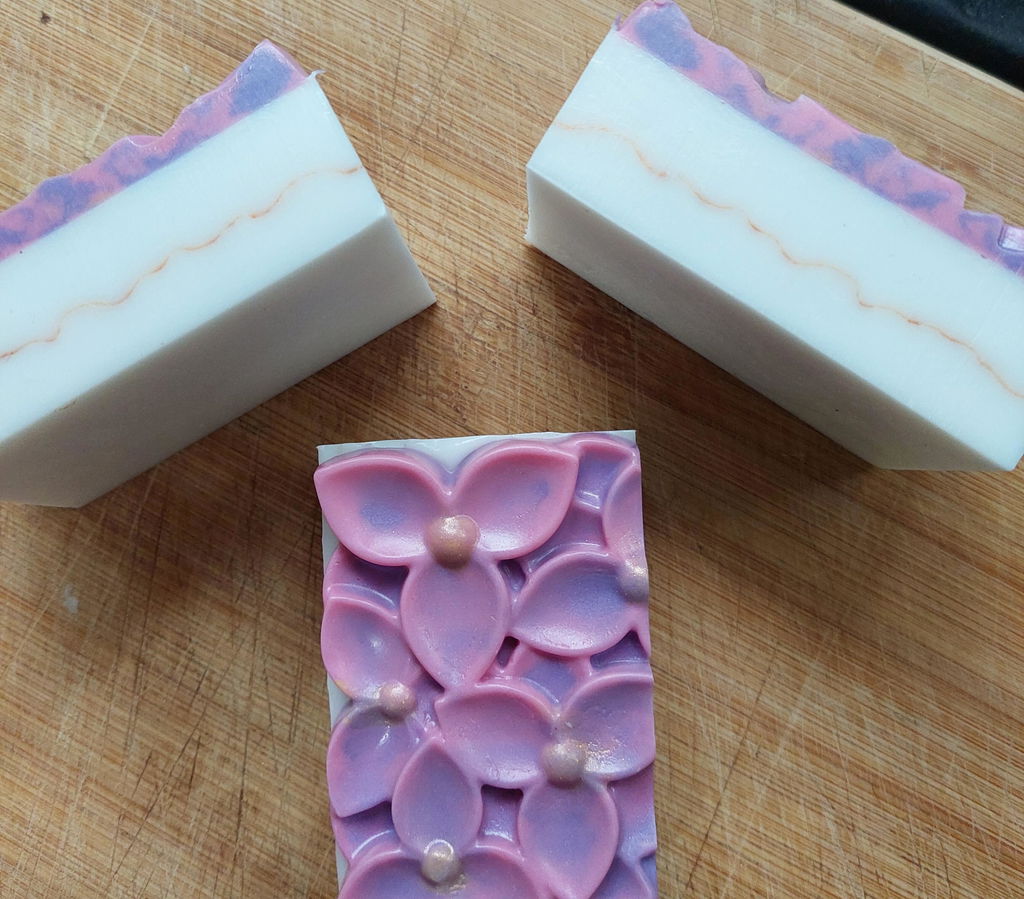
Love this product and use all the time - Customers always comment how wonderful it feels when used in my soaps
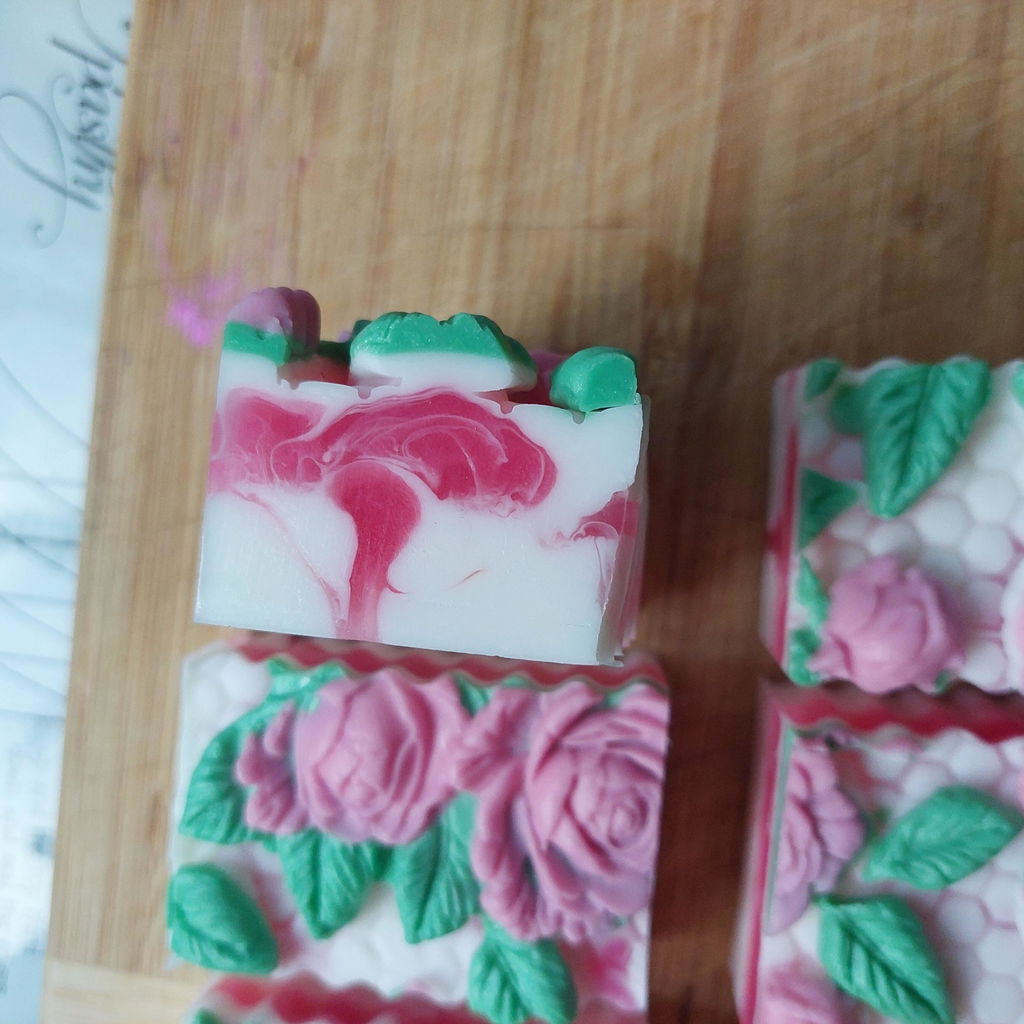
Good product to work with would recommend to others
love this, always buy it, so lovely on the skin.
Again , another top product, I’m so pleased with this finished results. Perfect every time.