Citronella Essential Oil
Citronella Essential Oil
Citronella Essential Oil (Cymbopogon winterianus)
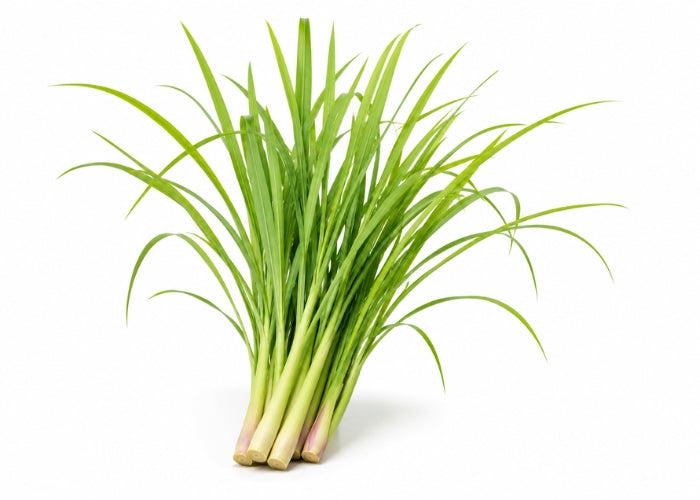
Citronella (Cymbopogon winterianus, the Java type) is steam-distilled from the grass blades, yielding a pale yellow to dark yellow liquid with a fresh, sweet, lemony, grassy-green aroma. It's best known as a natural insect repellent, but it also has a long history of use for freshening rooms, clearing the mind and balancing oily or perspiring skin.
Diffused, Citronella is traditionally used to help repel mosquitoes and other insects, to freshen sickrooms and living spaces, and to support mental clarity during colds, flu or low, sluggish moods. In a well-diluted massage blend, it has a toning, refreshing effect and is traditionally reached for to cool tired, sweaty feet and to help balance oily skin.
Blended into a cream or lotion, Citronella is traditionally used on exposed skin as a natural mosquito deterrent and to refresh tired, perspiring feet.
A little care goes a long way: as with most essential oils, always dilute Citronella before applying it to the skin and do a quick patch test first. Please also keep it away from cats — they process essential oils very differently to people, so Citronella (like essential oils generally) should never be applied to them or used as a cat flea treatment.
Specifications
| Specification | Detail |
|---|---|
| Botanical Name | Cymbopogon winterianus (Java Type) |
| Plant Part Used | Leaves |
| Extraction Method | Steam Distilled |
| Origin | Indonesia |
| Purity | 100% Pure and Natural |
| Appearance | Pale Yellow to Dark Yellow Liquid |
| Specific Gravity | 0.881 to 0.901 @ 20°C |
| Refractive Index | 1.463 to 1.485 @ 20°C |
| Shelf Life | 2 Years (Properly Stored) |
Uses ▼
Burners and vaporizers
In a diffuser, Citronella is traditionally used as an insect repellent, to support mental clarity, to help ease the discomfort of colds and flu, and to freshen sickrooms and living spaces.
Blended massage oil or in the bath
Well diluted in a massage oil or in the bath, Citronella has a toning, refreshing effect on the body and is traditionally used to help balance oily skin and to cool and refresh tired, perspiring feet.
Blended in a cream/base cream
Diluted into a cream or lotion, Citronella is traditionally applied to exposed skin as a natural mosquito deterrent and to refresh tired, sweaty feet. Always dilute thoroughly and patch test first.
Blends Well With
| Although essential oils blend well with one another, Citronella oil goes particularly well with other essential oils such as bergamot, geranium, lemon, orange, lavender and pine. |
Usage & Formulation Guide ▼
For soap makers, natural perfumers and cosmetic formulators. These are starting points, not finished formulas — always confirm compliance, stability and safety (including IFRA usage limits) for your own finished product before use.
Natural insect-repellent blends
Citronella Java is the workhorse ingredient in natural mosquito and insect-repellent formulations. A common starting point is around 2% in a carrier oil or lotion base (roughly 2ml oil to 98ml carrier); water-based sprays are typically formulated at a similar 1-2% level with a suitable emulsifier or solubiliser.
Candles and diffuser blends
One of the most popular scents for outdoor and citronella candles, it is generally used at around a 3-6% fragrance load depending on wax type and wick. For room or outdoor diffusers, 4-5 drops blended with complementary citrus or herbaceous oils gives a fresh, insect-deterring atmosphere.
Soap making
Popular in gardener's and outdoor-style soap bars, Citronella Java is typically used at 1-2% of total oil weight in cold-process soap, added around trace. Because its top note can fade with saponification and cure time, formulators often sit toward the upper end of this range.
Fragrance accord note
With a sharp, lemony-green character carried by citronellal and geraniol, Citronella Java is occasionally used as a top-note enhancer in fresh, citrus-type fragrance accords at low levels — typically 0.5-1% of the fragrance concentrate — rather than as a standalone note.

Product Documents SPECIFICATIONSSAFETY DATA SHEETIFRA GUIDELINESUSER GUIDE |
Couldn't load pickup availability
Citronella Essential Oil (Cymbopogon winterianus)
Citronella (Cymbopogon winterianus, the Java type) is steam-distilled from the grass blades, yielding a pale yellow to dark yellow liquid with a fresh, sweet, lemony, grassy-green aroma. It's best known as a natural insect repellent, but it also has a long history of use for freshening rooms, clearing the mind and balancing oily or perspiring skin.
Diffused, Citronella is traditionally used to help repel mosquitoes and other insects, to freshen sickrooms and living spaces, and to support mental clarity during colds, flu or low, sluggish moods. In a well-diluted massage blend, it has a toning, refreshing effect and is traditionally reached for to cool tired, sweaty feet and to help balance oily skin.
Blended into a cream or lotion, Citronella is traditionally used on exposed skin as a natural mosquito deterrent and to refresh tired, perspiring feet.
A little care goes a long way: as with most essential oils, always dilute Citronella before applying it to the skin and do a quick patch test first. Please also keep it away from cats — they process essential oils very differently to people, so Citronella (like essential oils generally) should never be applied to them or used as a cat flea treatment.
Specifications
| Specification | Detail |
|---|---|
| Botanical Name | Cymbopogon winterianus (Java Type) |
| Plant Part Used | Leaves |
| Extraction Method | Steam Distilled |
| Origin | Indonesia |
| Purity | 100% Pure and Natural |
| Appearance | Pale Yellow to Dark Yellow Liquid |
| Specific Gravity | 0.881 to 0.901 @ 20°C |
| Refractive Index | 1.463 to 1.485 @ 20°C |
| Shelf Life | 2 Years (Properly Stored) |
Uses ▼
Burners and vaporizers
In a diffuser, Citronella is traditionally used as an insect repellent, to support mental clarity, to help ease the discomfort of colds and flu, and to freshen sickrooms and living spaces.
Blended massage oil or in the bath
Well diluted in a massage oil or in the bath, Citronella has a toning, refreshing effect on the body and is traditionally used to help balance oily skin and to cool and refresh tired, perspiring feet.
Blended in a cream/base cream
Diluted into a cream or lotion, Citronella is traditionally applied to exposed skin as a natural mosquito deterrent and to refresh tired, sweaty feet. Always dilute thoroughly and patch test first.
Blends Well With
| Although essential oils blend well with one another, Citronella oil goes particularly well with other essential oils such as bergamot, geranium, lemon, orange, lavender and pine. |
Usage & Formulation Guide ▼
For soap makers, natural perfumers and cosmetic formulators. These are starting points, not finished formulas — always confirm compliance, stability and safety (including IFRA usage limits) for your own finished product before use.
Natural insect-repellent blends
Citronella Java is the workhorse ingredient in natural mosquito and insect-repellent formulations. A common starting point is around 2% in a carrier oil or lotion base (roughly 2ml oil to 98ml carrier); water-based sprays are typically formulated at a similar 1-2% level with a suitable emulsifier or solubiliser.
Candles and diffuser blends
One of the most popular scents for outdoor and citronella candles, it is generally used at around a 3-6% fragrance load depending on wax type and wick. For room or outdoor diffusers, 4-5 drops blended with complementary citrus or herbaceous oils gives a fresh, insect-deterring atmosphere.
Soap making
Popular in gardener's and outdoor-style soap bars, Citronella Java is typically used at 1-2% of total oil weight in cold-process soap, added around trace. Because its top note can fade with saponification and cure time, formulators often sit toward the upper end of this range.
Fragrance accord note
With a sharp, lemony-green character carried by citronellal and geraniol, Citronella Java is occasionally used as a top-note enhancer in fresh, citrus-type fragrance accords at low levels — typically 0.5-1% of the fragrance concentrate — rather than as a standalone note.
|
Product Documents SPECIFICATIONSSAFETY DATA SHEETIFRA GUIDELINESUSER GUIDE |